How to Make Authentic Jambalaya Seasoning: A Foolproof Recipe Guide
Jambalaya seasoning recipe creates a bold, fiery, and earthy mix that gives classic Louisiana dishes their signature kick. The magic lies not just in the heat but in its depth. This versatile spice blend changes ordinary meals into extraordinary ones when you season chicken, shrimp, steaks, or classics like jambalaya and gumbo.
Cajun seasoning, which forms the foundation of jambalaya seasoning mix, has become many home cooks’ secret weapon. The trademark blend of punchy and herbal flavors enhances countless dishes. On top of that, the seasoning’s rich cultural heritage traces back to French Provençal and Spanish flavors.
You’ll love this part – making your own jambalaya seasoning takes just minutes with spices you likely have in your drawer. Your homemade blend will give you fresher flavor and spark creativity for new, exciting dishes in your kitchen. Let me show you exactly how to create this essential Louisiana spice blend from scratch.
What Makes Jambalaya Seasoning Unique

Image Source: Spices – Alibaba.com
Louisiana’s cultural melting pot transformed jambalaya seasoning into something truly special. The story of this distinctive blend comes from a remarkable fusion of French, Spanish, African, and Native American culinary traditions that shaped Louisiana’s diverse heritage.
The roots of Cajun and Creole flavors
Multiple cultural influences joined together in Louisiana to create jambalaya seasoning. The Cajun story began when French settlers first landed in Acadia (Eastern Canada) and later fled to Louisiana with their cooking techniques [1]. Spanish colonists tried to recreate their beloved paella but couldn’t find saffron, so they started experimenting with local spices [2].
African cooking wisdom substantially enhanced the blend through spices and ingredients like okra and smoked meats [3]. Native Americans brought local ingredients and spicing techniques that are the foundations of the blend’s character [3].
These cultural influences created two distinct jambalaya styles:
-
Creole jambalaya (red jambalaya): Born in New Orleans with Spanish paella influences and has tomatoes as a key ingredient [4]
-
Cajun jambalaya (brown jambalaya): Emerged in rural Louisiana bayous with a deeper, smokier flavor from browned meats [4]
How it is different from other spice blends
The sort of thing I love about jambalaya seasoning is how it stands apart from other Cajun or Creole blends through its special development for rice dishes. Real jambalaya seasoning serves three vital functions: it creates a color base, builds flavor layers, and manages heat levels [5].
Jambalaya seasoning’s unique character comes from specific ingredients. Cajun seasoning relies heavily on ground peppers (black, cayenne, white), but jambalaya seasoning—especially Creole-style—takes a more herbal approach [6]. Jambalaya seasoning always has oregano and thyme, while Cajun blends usually skip the oregano [5].
There’s another reason that makes it unique – tomato usage. Creole-style jambalaya needs tomatoes or tomato powder to add acidity and color. Cajun-style uses smoked paprika instead to create earthiness [7]. This creates the signature red color in Creole versions and brown in Cajun preparations [8].
The “holy trinity” of bell peppers, celery, and onion creates the base for both styles [9], but jambalaya seasoning works specifically with rice absorption [7]. These elements come together to create that perfect mix of earthy complexity, balanced heat, and herbal depth that makes authentic jambalaya truly special.
Essential Ingredients for Authentic Flavor

Image Source: Spices – Alibaba.com
You can create your own jambalaya seasoning by mastering the basic elements that make this Louisiana classic so special. The secret lies in balancing spices that add depth without making it too hot.
Core spices in jambalaya seasoning mix
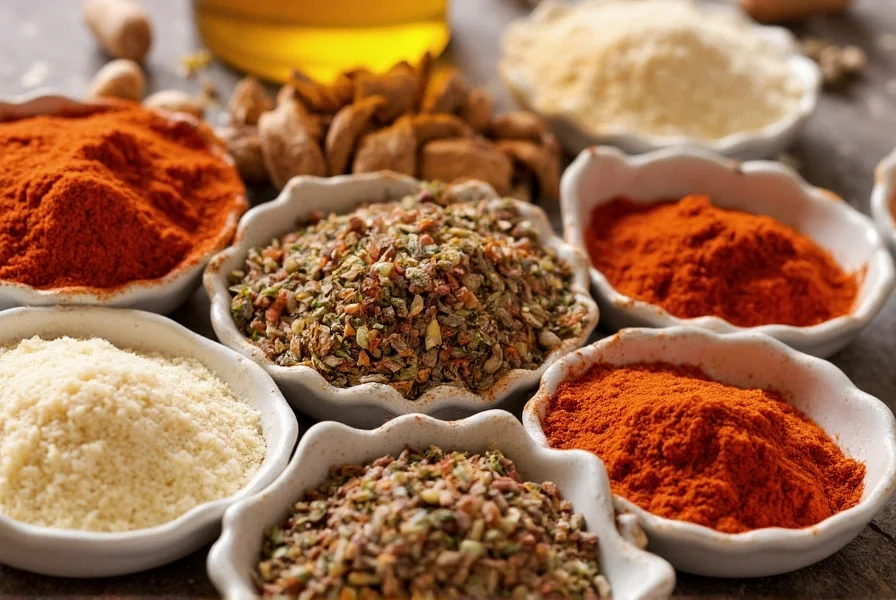
Paprika forms the foundation of any authentic jambalaya seasoning recipe. This key ingredient gives the mix its distinctive red color and mild sweetness. The base typically needs 3-4 teaspoons of paprika.
A good jambalaya seasoning mix needs these core components:
-
Aromatics: Garlic powder and onion powder (1-2 teaspoons each) add savory depth and subtle sweetness
-
The pepper trinity: Black pepper (sharp, aromatic heat), white pepper (earthy, slower-building heat), and cayenne (lingering heat) work together to create complex layers of spiciness
-
Dried herbs: Thyme and oregano (1 teaspoon each) connect the blend to its French heritage
Optional herbs and heat boosters
Bay leaves, file powder, and dried basil can add extra dimension to your jambalaya seasoning. Some traditional recipes include mustard powder to bring tanginess. Heat lovers can add more cayenne to create that signature “after-glow” with each bite.
Many chefs use smoked paprika to add subtle smokiness that makes the blend more authentic. Hungarian paprika works too, but you might need to adjust the cayenne levels.
Salted vs. salt-free blends
Salt appears first on the ingredient list of most commercial jambalaya seasonings. This means it’s the heaviest component, which leads to high sodium content and dulled spice flavors.
Salt-free jambalaya seasonings give you better control over sodium while letting each spice’s flavor shine through. Shop now for quality, salt-free ingredients to customize your blend based on your taste priorities.
Note that kosher salt requires less quantity than table salt to achieve the same flavor effect, if you choose to add it.
How to Make Jambalaya Seasoning at Home
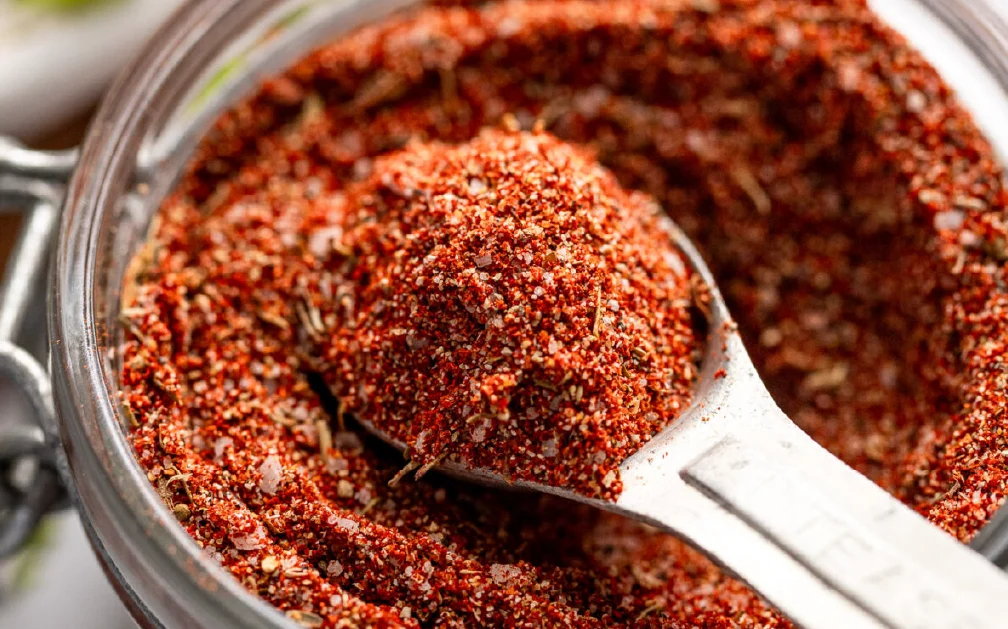
You can make jambalaya seasoning mix at home in just minutes with spices you likely have in your cabinet. The recipe is really simple and creates rich, authentic flavors.
Step-by-step mixing instructions
-
Level off measuring spoons to measure spices accurately [10]
-
Put everything in a small mixing bowl
-
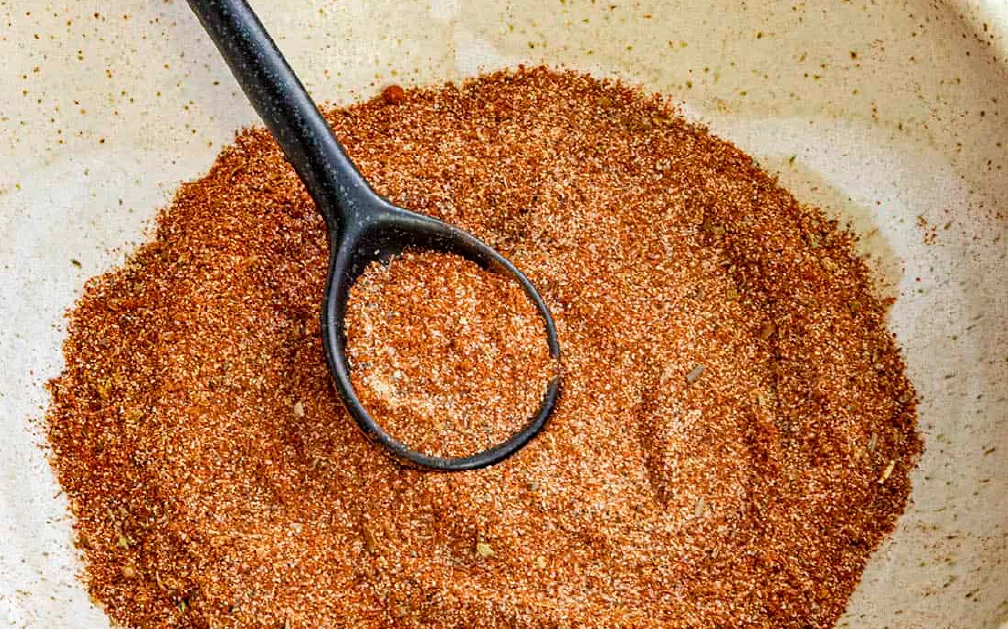
Mix with a spoon or small whisk until you see a uniform color [11]
-
Try a small pinch to taste (be careful—it’s spicy!) and adjust if needed [10]
Tips for even blending and texture
A fine mesh strainer helps break up clumps and creates perfect texture in your seasoning recipe, especially when you have paprika that clumps easily [10]. Your dried herbs like oregano and thyme will release more flavor when you run them through a spice grinder or mortar and pestle before adding them to the mix. This also creates a smoother texture [10].
Using a spice grinder vs. mixing by hand
A bowl and whisk work great for simple mixing [12]. Food processors or dedicated spice grinders give you some extra benefits. They grind and distribute all spices evenly throughout the mix, especially the dried herb leaves [13]. Hand mixing creates a more rustic blend that some cooks prefer because it leaves visible herb flakes.
Want quality spices for your jambalaya seasoning? Shop now and get fresh, premium ingredients that will make your homemade blend stand out.
Storage, Shelf Life, and Best Practices

Image Source: Amazon.com
The right storage will give your homemade jambalaya seasoning mix its vibrant flavors. Let me show you how to keep those aromatic spices tasting their best.
How to store your seasoning mix
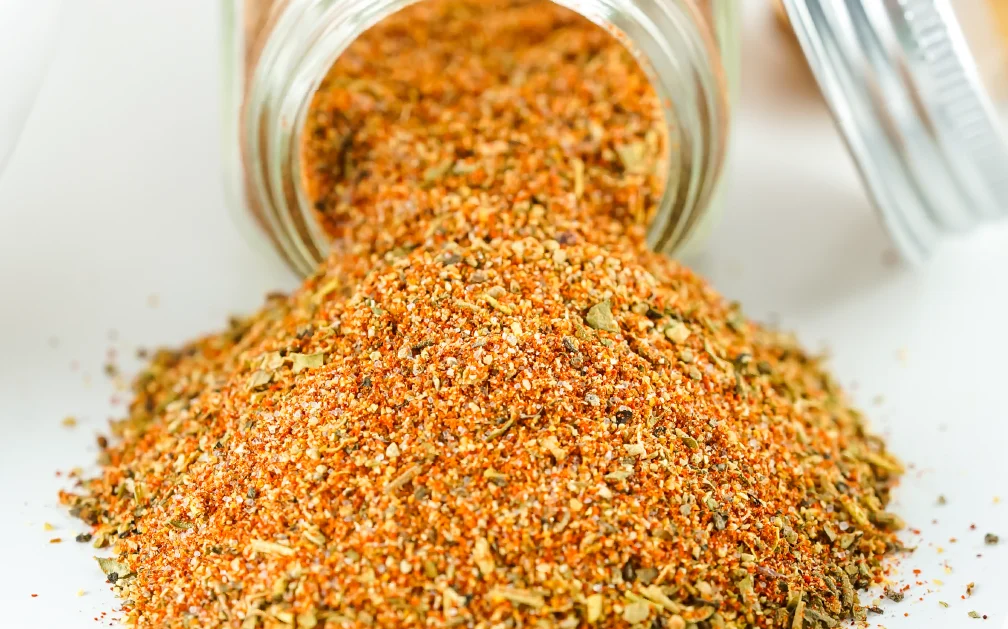
Your jambalaya seasoning recipe stays fresh in glass jars or airtight containers [10]. Pick opaque containers to protect spices from light damage [14]. The containers should go in a cool, dark cupboard away from your stove or heat sources [10]. The area above your cooking space where heat rises isn’t suitable for spice storage [10]. You should also use a dry spoon to measure the spices and avoid moisture getting in [10].
How long it stays fresh
The seasoning mix keeps its peak flavor for 3-6 months with proper storage [10], though some experts say it can last up to a year [15]. The blend stays safe to use after this time but loses its punch [10]. You can test freshness by rubbing a pinch between your fingers – a weak aroma means it’s time to make a fresh batch [10]. The spice mix’s color change from bright red to dull brown also shows it’s losing flavor [14].
Labeling and dating your jars
The mix’s freshness stays on track when you label your containers properly [16]. Write both the name and date you made it with a permanent marker [15]. This simple step helps you track your jambalaya seasoning’s storage time [15]. Regular checks of your spice collection keep the flavors strong in all your Louisiana-inspired dishes.
Conclusion
Jambalaya seasoning is proof of Louisiana’s rich cultural heritage that blends French, Spanish, African, and Native American influences into one remarkable spice mix. In this piece, we explored what makes this seasoning special—from its historical roots to its distinctive combination of paprika, herbs, and peppers that create depth without overwhelming heat.
Making your own jambalaya seasoning at home has many advantages. You can control the ingredients and adjust heat levels and salt content based on your priorities. It also provides fresher flavor than store-bought alternatives, which often contain too much salt that masks the complex spice notes.
The main difference between authentic jambalaya seasoning and generic Cajun blends comes from its specific formulation for rice dishes. The careful balance of oregano, thyme, and paprika creates that signature earthy complexity that makes jambalaya truly special.
Your freshly made seasoning needs an opaque, airtight container away from heat sources. The mix stays safe indefinitely, but its flavors are most potent in the first 3-6 months after preparation.
You now have everything to create authentic jambalaya seasoning at home! This versatile blend will turn ordinary rice dishes into extraordinary meals that capture Louisiana cooking’s spirit. You can use it in classic jambalaya, gumbo, or new recipes—this essential spice blend will become your kitchen’s secret weapon.
Key Takeaways
Master the art of authentic jambalaya seasoning with these essential insights that will transform your Louisiana-style cooking:
• Cultural fusion creates unique flavor: Jambalaya seasoning blends French, Spanish, African, and Native American influences, making it distinct from generic Cajun spice mixes through its specific rice-dish formulation.
• Core ingredients matter most: Build your blend with paprika (for color), garlic/onion powder (for depth), three peppers (black, white, cayenne), and essential herbs (thyme and oregano).
• Simple homemade process: Mix all spices in a bowl, whisk until uniform color appears, and taste-test carefully—the entire process takes just minutes with common pantry ingredients.
• Proper storage extends freshness: Store in airtight, opaque containers away from heat sources for 3-6 months of peak flavor, always using dry spoons to prevent moisture contamination.
• Salt-free blends offer control: Skip commercial high-sodium versions and make salt-free blends that let you control sodium levels while highlighting the complex spice flavors.
Creating your own jambalaya seasoning ensures fresher taste, customizable heat levels, and authentic Louisiana flavors that will elevate everything from classic jambalaya to grilled meats and vegetables.
FAQs
Q1. What are the essential ingredients in an authentic jambalaya seasoning mix? A typical jambalaya seasoning blend includes paprika, garlic powder, onion powder, black pepper, white pepper, cayenne pepper, dried thyme, and dried oregano. Some recipes may also include salt, smoked paprika, or other herbs like basil.
Q2. How does jambalaya seasoning differ from other Cajun spice blends? Jambalaya seasoning is specifically formulated for rice dishes, unlike generic Cajun blends. It always includes oregano and thyme, and often incorporates tomato powder or smoked paprika for color and depth. The blend is designed to provide layered flavors, control heat, and enhance rice absorption.
Q3. What’s the secret to making great jambalaya? The secret to great jambalaya lies in using a well-balanced seasoning mix and properly layering flavors. Start with the “holy trinity” of onions, celery, and bell peppers, use quality spices, and allow the dish to simmer to develop complex flavors. The right seasoning blend is crucial for achieving that authentic taste.
Q4. How long does homemade jambalaya seasoning stay fresh? When stored properly in an airtight, opaque container away from heat and light, homemade jambalaya seasoning maintains peak flavor for 3-6 months. While it remains safe to use beyond this timeframe, the potency of the spices may diminish over time.
Q5. Can I make a salt-free jambalaya seasoning blend? Yes, you can create a salt-free jambalaya seasoning blend. This allows for better control over sodium levels and highlights the nuanced flavors of individual spices. You can always add salt separately when cooking to suit your taste preferences and dietary needs.
References
[1] – https://pepperpalace.com/blogs/expert-tips/the-dummies-guide-to-cajun-seasoning?srsltid=AfmBOor9GtrGqMaHXRtGcxFPspgkqbEurVoWKUNyW0yhqRcqMWM-QqMZ
[2] – https://www.vitalchoice.com/articles/cooking-tips/jambalaya-recipe-origins?srsltid=AfmBOoo8IUBGUyXKHFfltmqxdBAbSb7LSukV1WhliGlZHBdipkuKovLz
[3] – https://www.thesilenttaskforce.org/post/the-cultural-melting-pot-of-jambalaya-how-louisiana-s-diverse-heritage-shaped-this-iconic-dish
[4] – https://galliernola.com/creole-cuisine/creole-jambalaya-vs-cajun-jambalaya-whats-the-difference/
[5] – https://spice.alibaba.com/global-spice-traditions/jambalaya-seasoning-the-secret-to-spicy-southern-magic-a-flavor-journey-you-can-t-miss
[6] – https://www.masterclass.com/articles/cajun-vs-creole-seasoning-explained
[7] – https://spice.alibaba.com/spice-basics/jambalaya-seasoning
[8] – https://www.tastingtable.com/1427674/difference-creole-cajun-jambalaya/
[9] – https://www.mccormick.com/blogs/how-to/jambalaya
[10] – https://www.beststopinscott.com/how-to-make-cajun-seasoning/
[11] – https://www.contentednesscooking.com/jambalaya-seasoning-easy-homemade-blend/
[12] – https://marydisomma.com/blogs/recipes/homemade-cajun-seasoning-for-jambalaya?srsltid=AfmBOopk94BJo-BvHIHylU1FvJQS2vSoXH8elxiYjYUe6iBc1kDjaHLi
[13] – https://marydisomma.com/blogs/recipes/homemade-cajun-seasoning-for-jambalaya?srsltid=AfmBOopA9Zi3qH5P0uYnPC48lVIYNB4ZbETkDyoB7pAE8qDubxkVrIq-
[14] – https://www.alibaba.com/product-insights/smart-storage-tips-for-cajun-spice-enthusiasts.html
[15] – https://marydisomma.com/blogs/recipes/homemade-cajun-seasoning-for-jambalaya?srsltid=AfmBOopCXrVymqY0F5K-Utjn-JMUZtImHhF7KoHbibAbyQPB-oMQqB9o
[16] – https://spicestationsilverlake.com/spice-labeling-and-organizing/?srsltid=AfmBOopQG6cyyPstg_Ok-ZCXAi9t1hmv-GGqjlabS12fEZzDXBc1Cw6F