Cajun seasoning transforms ordinary cooking into something special by adding the perfect kick to proteins, vegetables, and everyday meals that need extra flavor. This rustic blend stands out as my favorite way to enhance dishes from chicken to seafood, vegetables to potatoes, and soups to stir-frys.
Louisiana’s bold Cajun seasoning combines classic ingredients like paprika, garlic powder, onion powder, cayenne, and aromatic herbs that create intense flavors in your dishes. My research shows that all but one of these authentic recipes include paprika, oregano, salt, and pepper. Making your own Cajun seasoning takes just minutes, and you likely have the ingredients waiting in your spice drawer.
The best Cajun seasoning recipe offers both simplicity and versatility. This piece guides you through the essential ingredients and helps you create your signature blend. Let’s tuck into creating a homemade seasoning that outshines anything from store shelves.
What Is Cajun Seasoning?

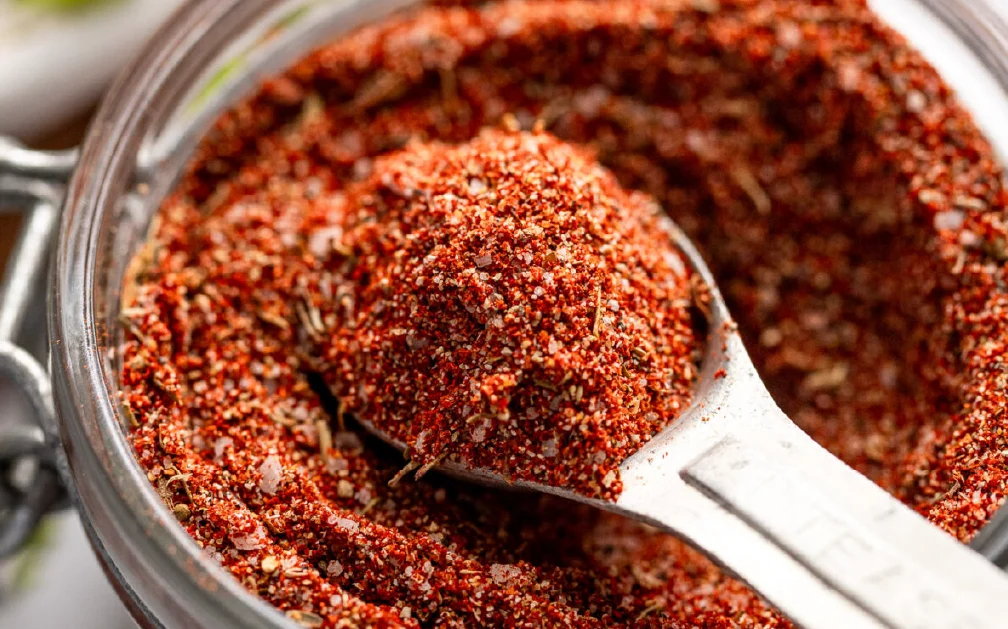
Image Source: Culinary Hill
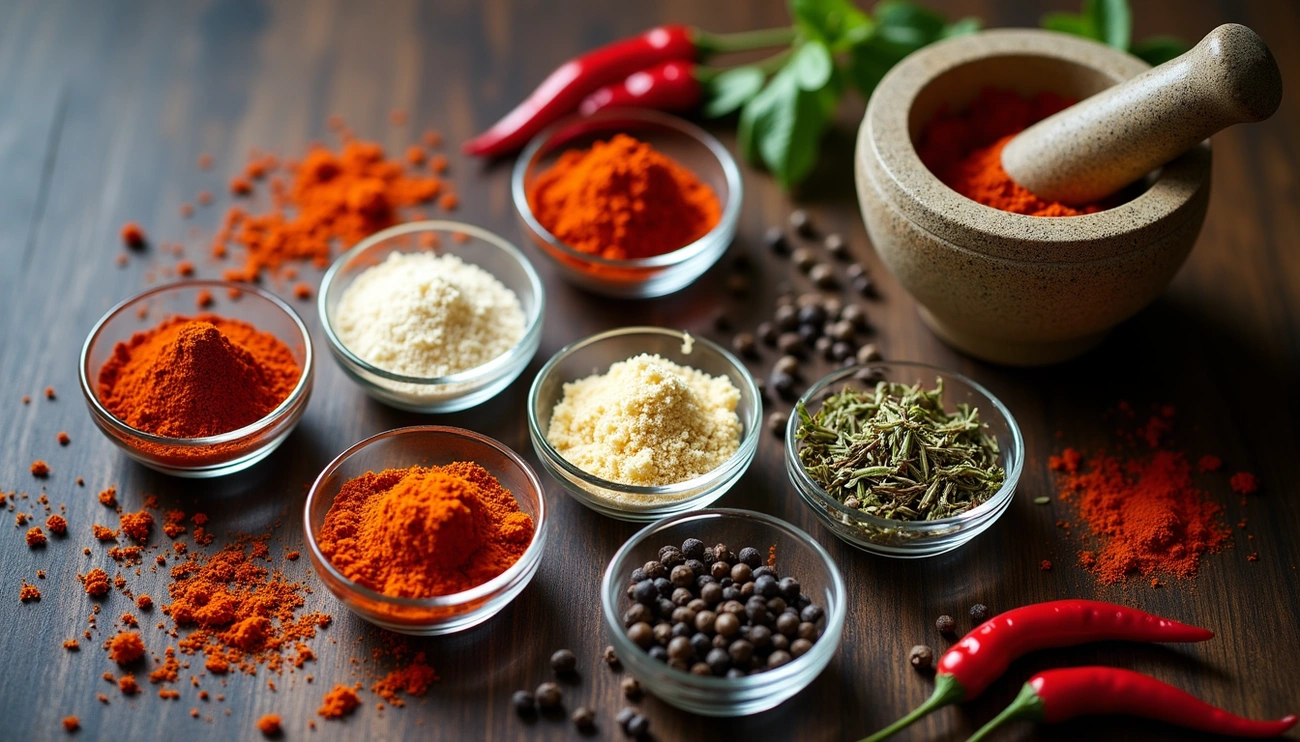
Cajun seasoning stands apart from regular spice blends with its rich cultural heritage. A resilient people turned their hardship into culinary magic through this distinctive blend. The mix combines paprika, cayenne pepper, garlic powder, onion powder, and black pepper to create perfect harmony between earthy flavors and moderate heat.
Origins of Cajun cuisine
The story of Cajun cuisine began when French Acadians settled in Louisiana. They arrived after being forced out of eastern Canada during “le Grand Dérangement” in the mid-18th century. These settlers adapted their French cooking style to Louisiana’s subtropical bayou environment. Their cuisine evolved as they connected with Native Americans, West Africans, Spanish, and other cultural groups.
Rustic countryside roots define Cajun cooking’s essence. Poor settlers created this cuisine by using local ingredients with simple cooking methods. Many traditional Cajun recipes started as one-pot meals, making the best use of Louisiana’s land and water resources.
How Cajun seasoning differs from Creole seasoning
People often mix up Cajun and Creole seasonings, but each reflects its own cultural heritage. Cajun seasoning packs more heat with black, white, and cayenne peppers. Rural Louisiana shaped this bold, rustic flavor profile that matches its hearty, countryside cooking perfectly.
Creole seasoning tells a different story with its New Orleans roots and herb-rich blend of oregano, thyme, rosemary, and basil. This mix reflects the urban, cosmopolitan nature of Creole cuisine. You can spot the difference between Cajun and Creole dishes by looking for tomatoes – Creole dishes use them while traditional Cajun recipes don’t.
Common uses in traditional dishes
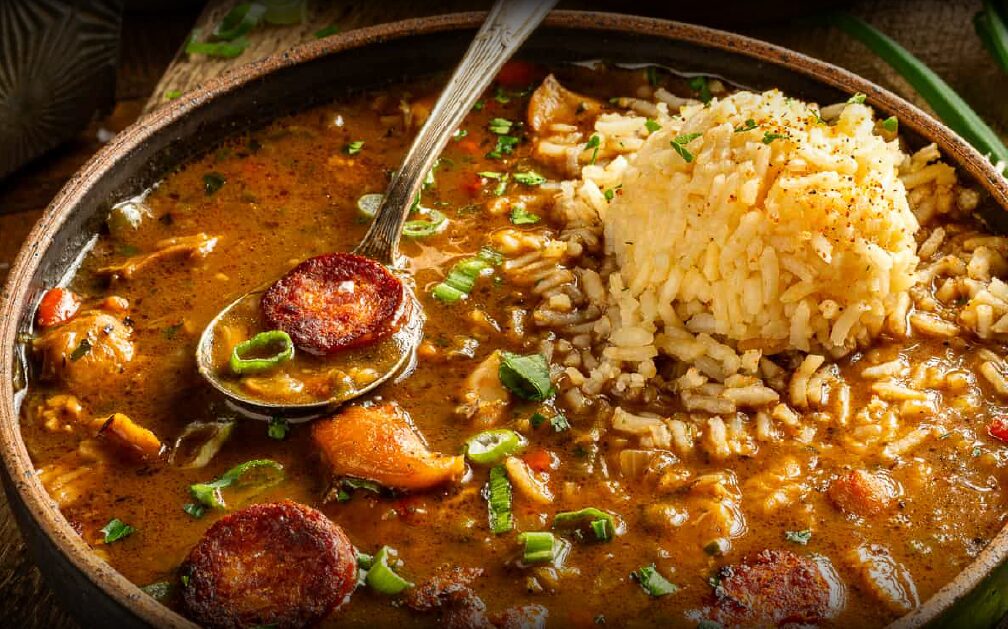
Cajun seasoning shows its versatility in classic dishes like gumbo, jambalaya, and étouffée. The blend works magic with the “Holy Trinity” of Cajun cooking—bell peppers, onions, and celery. These aromatics are the foundation of most traditional recipes.
Louisiana’s seafood tastes amazing with Cajun seasoning, especially crawfish, shrimp, catfish, and oysters. The blend makes red beans and rice, boudin (pork sausage), and various one-pot stews taste even better. This adaptable seasoning has gone beyond tradition to spice up everyday foods like french fries and popcorn.
Cajun Seasoning Ingredients Explained

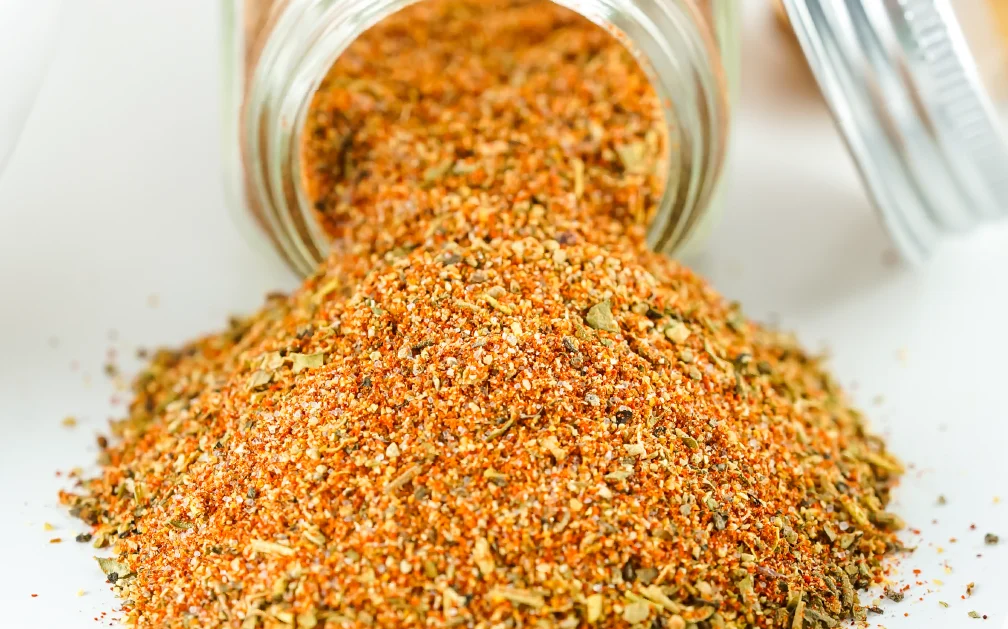
Image Source: The Forked Spoon
The secret to amazing cajun seasoning lies in understanding what makes this blend so special. Family recipes from Louisiana are different from each other, but they share some key ingredients that create that unmistakable Cajun flavor.
Essential spices: paprika, cayenne, garlic powder
Paprika serves as the foundation of any authentic cajun seasoning. Most home cooks reach for smoked paprika because of its earthy depth, though sweet paprika works just as well for those who want less smoke flavor. Cayenne pepper adds that famous kick – you can adjust the amount to make it as mild or fiery as you like. Garlic powder (not garlic salt) brings a rich savory warmth that balances the heat with deep umami notes.
Black pepper and these three ingredients show up in all but one authentic cajun seasoning recipes. Onion powder belongs in this group too, adding a subtle sweetness that completes the blend.
Optional herbs and flavor boosters
Dried herbs take your homemade cajun seasoning to the next level. Thyme and oregano lead the pack, adding earthy aromatics that elevate the whole mix. White pepper makes an appearance in some recipes, offering a heat that is different from cayenne’s sharp bite.
Celery seed can add another layer by mimicking the “holy trinity” base of Cajun cooking. Dried mustard powder or ground coriander work well too. Dedicated cajun cooks often have their “secret ingredient” – maybe a hint of brown sugar or ghost pepper powder for heat seekers.
Salted vs. salt-free versions
A single teaspoon of store-bought cajun seasoning can pack over 1,000mg of sodium. Making your own blend puts you in control of the salt content. Salt-free versions deliver authentic flavor without health concerns. Leave out the salt from your recipe and season each dish as you cook.
Salt-free blends offer more flexibility. You can add salt based on what each dish needs rather than being stuck with pre-set amounts.
How to Make Cajun Seasoning at Home

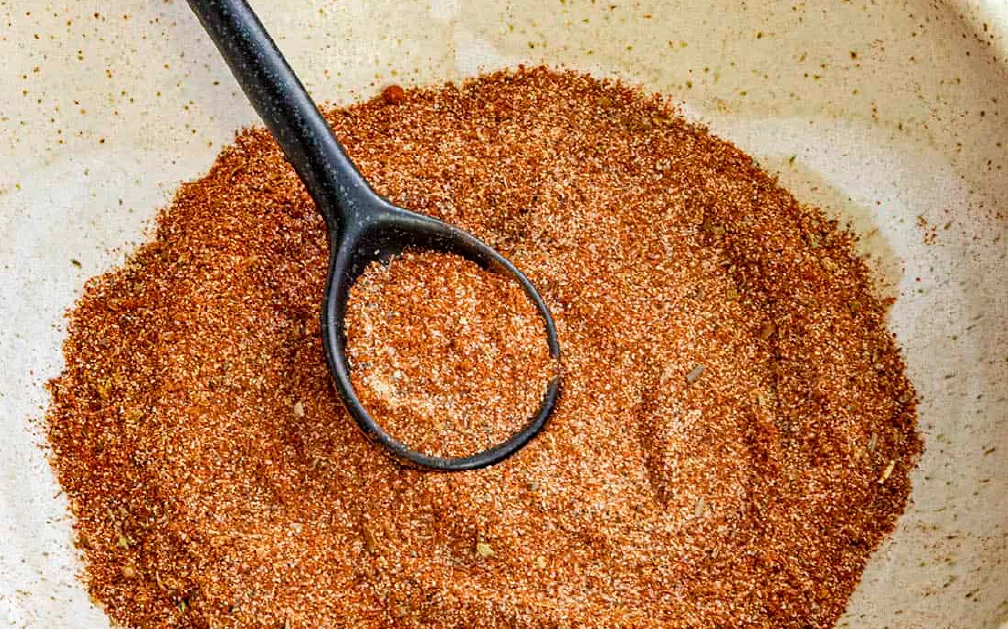
Image Source: Kylee Cooks
You can make your own cajun seasoning recipe at home in just minutes. The process is surprisingly simple. Fresh spices from your kitchen will give you better flavor than anything you’ll find on grocery store shelves.
Step-by-step mixing instructions
You don’t need special equipment to make homemade cajun seasoning – a bowl and measuring spoons will do the job:
- Measure all your spices accurately, leveling off your spoons to consistency.
- Combine everything in a small bowl.
- Mix really well with a spoon or small whisk until you see a uniform color.
- Take a tiny pinch to taste (be careful—it’s spicy!) and adjust seasonings as needed.
Tips for even blending
These tips will help you get consistent results with your cajun seasoning:
- Run ingredients through a fine mesh strainer to break up clumps, especially paprika which clumps easily.
- A spice grinder or mortar and pestle works great for dried herbs like oregano and thyme. This releases more flavor and gives you a smoother texture.
- A folded paper makes a perfect funnel to fill containers without spills.
How to scale the recipe for bulk use
Your homemade cajun seasoning stays fresh for months, so larger batches make sense:
Scale up by doubling or tripling all ingredients proportionally. The basic 2:1 ratio of garlic powder to cayenne pepper creates a solid foundation. Add paprika at double or triple the cayenne amount. Airtight glass containers keep your blend fresh for 6-12 months when stored away from heat and light.
Storage and Usage Tips

Image Source: Amazon.com
Your homemade cajun seasoning’s vibrant flavors will last longer with proper storage. Let me show you how to keep your blend fresh and flavorful for months.
How to store for maximum freshness
Glass jars or airtight containers work best to store your cajun seasoning away from heat and light [1]. A cool, dark cupboard or drawer makes an ideal spot—never store it above your stove where heat rises [1]. Steam and humidity can ruin the blend, so don’t shake it over steaming pots [1]. A dry spoon helps measure perfect portions [1].
How long it lasts
Your homemade cajun seasoning keeps its peak flavor for about 3-6 months when stored correctly [2][3]. The blend stays safe to use up to a year, though its potency gradually decreases [4][5]. A quick freshness test involves rubbing a pinch between your fingers—time to make a new batch if the aroma seems weak [6].
Best ways to use it in everyday cooking
This versatile blend does more than season traditional gumbos and jambalayas:
- Proteins: Season chicken, fish, or shrimp before grilling or baking [2]
- Vegetables: Add zip to roasted cauliflower or green beans [2]
- Breakfast: Give eggs or breakfast potatoes extra kick [7]
- Rice dishes: Turn plain rice into something special [8]
Creative recipe ideas beyond traditional Cajun dishes
Movie nights become more exciting with cajun-seasoned popcorn [9]. The blend makes an excellent rim for Bloody Marys [10] and creates amazing dips when mixed with mayonnaise [10]. Mac and cheese with bacon tastes incredible with a cajun twist [10]. Sweet potato fries that spread with cajun seasoning before roasting taste especially delicious [8].
Conclusion
Homemade Cajun seasoning will transform your everyday cooking. A few minutes of preparation delivers flavors that outshine any store-bought alternative. In this piece, you’ll discover the rich cultural heritage behind this beloved spice blend that evolved from French Acadian roots to become a staple in modern kitchens worldwide.
Your own Cajun blend gives you complete control over ingredients. The spiciness, saltiness, and herb balance are entirely up to you. This personalization makes crafting your own mix far superior to mass-produced versions.
Most home cooks already have the key ingredients in their spice drawer—paprika, cayenne, garlic powder, and simple herbs. This makes homemade Cajun seasoning both cost-effective and practical.
This spice blend never ceases to amaze with its versatility. Traditional dishes like gumbo and jambalaya showcase its authentic roots. Yet creative uses like spicing up popcorn or adding zest to a Bloody Mary’s rim show how adaptable this blend can be. Your culinary imagination can run wild with this mix at hand.
Storing your blend in airtight containers away from heat and light will keep its vibrant flavors fresh for months. This simple step protects your effort and ensures delicious results every time you reach for your signature blend.
Grab your spices, measure with care, and create your signature Cajun seasoning today. The process is remarkably simple, yet it will profoundly affect your cooking. Your meals will shine, your family will love them, and you’ll question why you ever bought pre-made seasonings before!
Key Takeaways
Master the art of homemade Cajun seasoning with these essential insights that will transform your cooking and save money while delivering superior flavor.
• Make it fresh at home: Homemade Cajun seasoning takes just minutes to prepare and tastes significantly better than store-bought versions while giving you complete control over salt and spice levels.
• Start with the core four: Paprika, cayenne pepper, garlic powder, and black pepper form the essential foundation – most other ingredients in your spice drawer are likely already available.
• Store properly for longevity: Keep your blend in airtight glass containers away from heat and light to maintain peak flavor for 3-6 months and usability for up to one year.
• Use beyond traditional dishes: While perfect for gumbo and jambalaya, this versatile seasoning elevates everything from popcorn and eggs to roasted vegetables and Bloody Mary rims.
• Scale recipes for convenience: Double or triple batches using proportional measurements – a 2:1 ratio of garlic powder to cayenne with double the paprika creates an excellent foundation for larger quantities.
Creating your own signature Cajun seasoning blend not only saves money but ensures fresher, more potent flavors tailored to your exact taste preferences. The simplicity of the process combined with its incredible versatility makes this one kitchen skill that pays dividends in every meal.
FAQs
Q1. What are the key ingredients in Cajun seasoning? Cajun seasoning typically includes paprika, cayenne pepper, garlic powder, onion powder, and black pepper. Other common ingredients are oregano, thyme, and salt. The exact blend can vary, but these spices form the core of most Cajun seasoning recipes.
Q2. How does homemade Cajun seasoning differ from store-bought versions? Homemade Cajun seasoning is fresher, more flavorful, and allows for complete control over ingredients. You can adjust the spice level, salt content, and herb ratios to suit your taste preferences. It’s also more cost-effective and free from preservatives or additives often found in commercial blends.
Q3. How long does homemade Cajun seasoning last? When stored properly in an airtight container away from heat and light, homemade Cajun seasoning maintains peak flavor for about 3-6 months. It remains safe to use for up to a year, though it may gradually lose potency over time.
Q4. Can I use Cajun seasoning in non-traditional dishes? Absolutely! While Cajun seasoning is perfect for traditional dishes like gumbo and jambalaya, it’s incredibly versatile. Try it on roasted vegetables, eggs, popcorn, or even as a rim for Bloody Marys. It can add a flavorful kick to almost any savory dish.
Q5. What’s a simple substitute if I don’t have Cajun seasoning? If you’re in a pinch, you can create a basic substitute using 1 tablespoon of chili powder, 1 teaspoon of dried thyme, and 1/4 to 1/2 teaspoon of cayenne pepper. While not an exact match, this combination will provide a similar flavor profile to Cajun seasoning in your dishes.
References
[1] – https://althascajunspices.com/ways-to-store-and-use-cajun-seasonings/
[2] – https://www.everydayeileen.com/homemade-cajun-seasoning-blend/
[3] – https://thehealthfulideas.com/cajun-seasoning/
[4] – https://www.lemonblossoms.com/blog/cajun-seasoning-recipe/
[5] – https://www.chilipeppermadness.com/chili-pepper-recipes/spice-blends/homemade-cajun-seasoning/
[6] – https://www.stilltasty.com/fooditems/index/16661
[7] – https://www.cajunencounters.com/blog/cajun-seasoning-101
[8] – https://www.reddit.com/r/WhatShouldICook/comments/famnol/what_to_make_that_uses_cajun_seasoning/
[9] – https://spicestationsilverlake.com/five-creative-ways-to-use-cajun-spice/?srsltid=AfmBOooqID_Ft9K3xzBb8rufFN02x46GNPcEmIQN2uC58dgfUgcli55c
[10] – https://www.thekitchn.com/cajun-seasoning-recipe-23254901