
Why Cajun Seasoning vs Creole Seasoning Causes So Much Confusion
Walk into almost any grocery store and you’ll see bottles labeled Cajun seasoning and Creole seasoning sitting side by side. To many people, they seem interchangeable. After all, both come from Louisiana, both are bold, and both promise serious flavor.
But in reality, Cajun seasoning vs Creole seasoning reflects two very different food cultures with distinct histories, cooking styles, and flavor philosophies.
Understanding the difference doesn’t just make you a better cook—it helps you choose the right seasoning for the right dish and appreciate the deep roots behind Louisiana cuisine.
A Quick Look at Louisiana’s Two Food Traditions
To understand the difference between Cajun and Creole seasoning, you first need to understand Cajun vs Creole cooking.
According to Louisiana Travel, Louisiana cuisine developed along two parallel paths:
- Cajun cuisine: Rural, resourceful, and deeply rooted in Acadiana
- Creole cuisine: Urban, refined, and influenced by New Orleans’ diverse population
These differences directly shaped how each seasoning blend evolved.
What Is Cajun Seasoning?
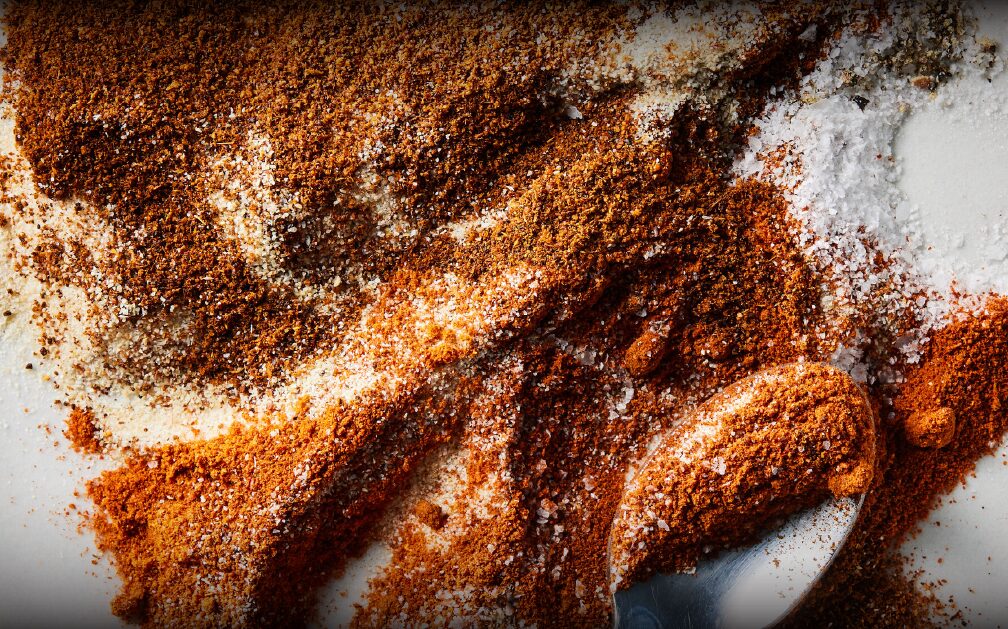
Image Source: https://cooking.nytimes.com/recipes/1025709-creole-seasoning
Cajun seasoning grew out of necessity. Cajun families cooked with what they had on hand and relied heavily on dry spices to build flavor without expensive ingredients.
Typical Cajun Seasoning Ingredients
While recipes vary, Cajun seasoning usually includes:
- Paprika
- Garlic powder
- Onion powder
- Black pepper
- White pepper
- Cayenne pepper
Notice what’s missing? Salt and herbs are often minimal or absent in traditional Cajun blends.
The Southern Foodways Alliance notes that Cajun food prioritizes bold spice and heat, layered into simple, hearty dishes.
At The Best Stop Supermarket in Scott, Louisiana, Cajun seasoning reflects that same philosophy—big flavor that enhances food without overpowering it.
👉 Shop Best Stop Cajun Seasoning
What Is Creole Seasoning?
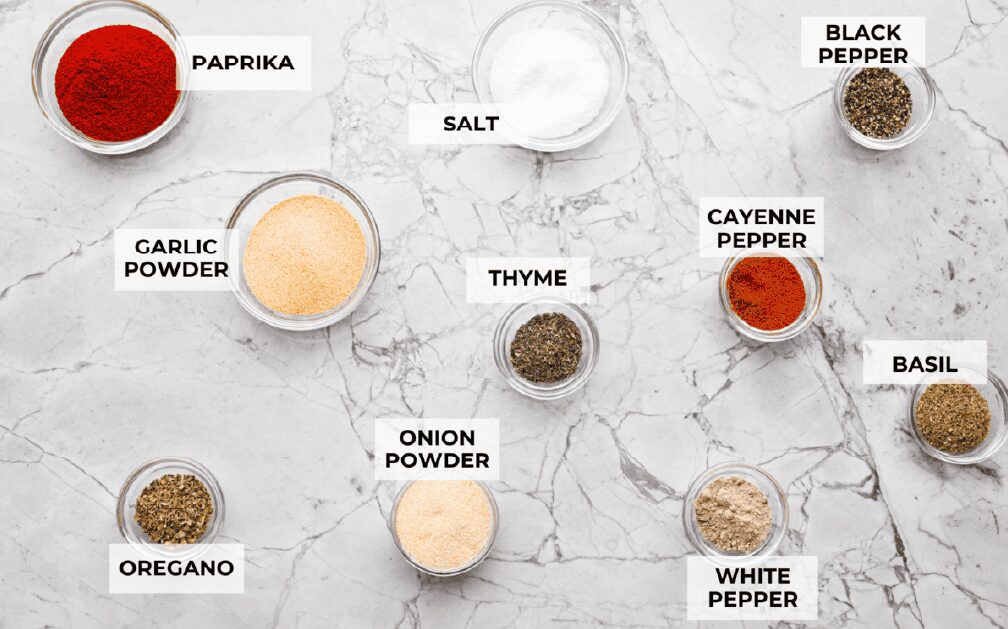
Image Source: https://therecipecritic.com/creole-seasoning/
Creole seasoning developed in New Orleans, where French, Spanish, African, and Caribbean influences blended together. As a result, Creole cooking tends to be more complex and herb-forward.
Typical Creole Seasoning Ingredients
Creole seasoning often includes:
- Paprika
- Garlic powder
- Onion powder
- Oregano
- Thyme
- Basil
- Black pepper
- White pepper
- Salt
According to NOLA.com, Creole cuisine reflects the cosmopolitan nature of New Orleans—layered flavors, sauces, and aromatics.
Cajun Seasoning vs Creole Seasoning: Key Differences
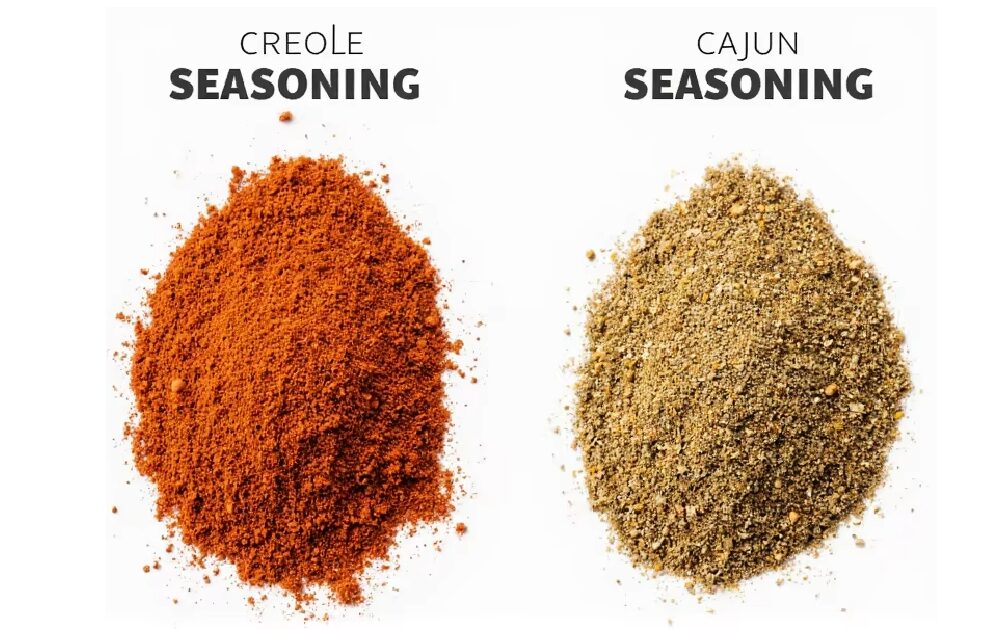
Image Source: https://spice.alibaba.com/spice-basics/creole-vs-cajun-seasoning-are-they-twins-or-distant-cousins
Here’s a clear breakdown of how the two compare:
Flavor Profile
Cajun seasoning: Spicy, pepper-forward, bold
Creole seasoning: Savory, herbal, more rounded
Heat Level
Cajun: Typically hotter
Creole: Milder, balanced
Herb Content
Cajun: Minimal herbs
Creole: Heavy use of herbs like oregano and thyme
Best Uses
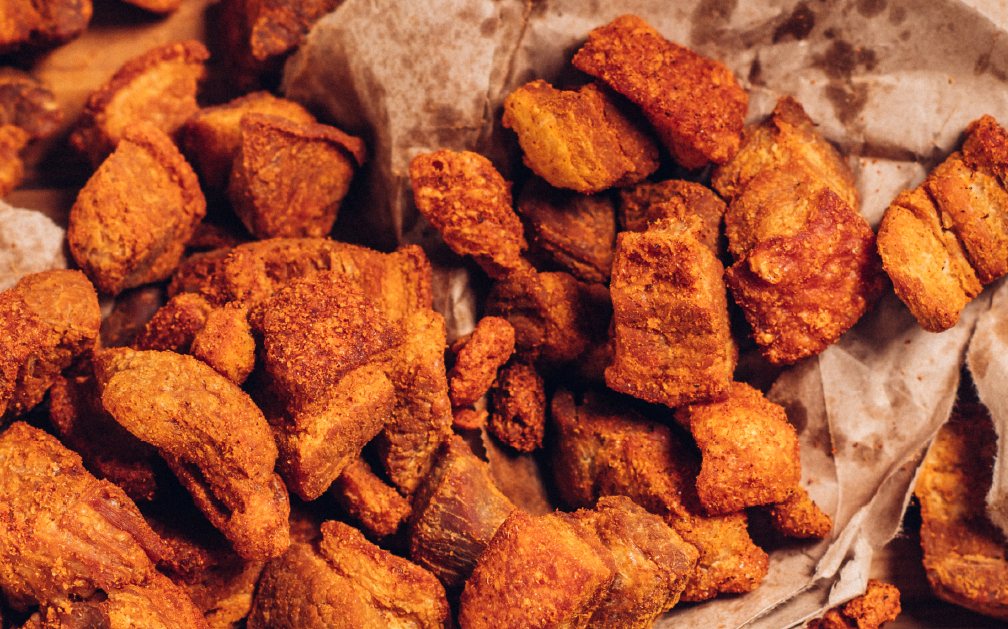
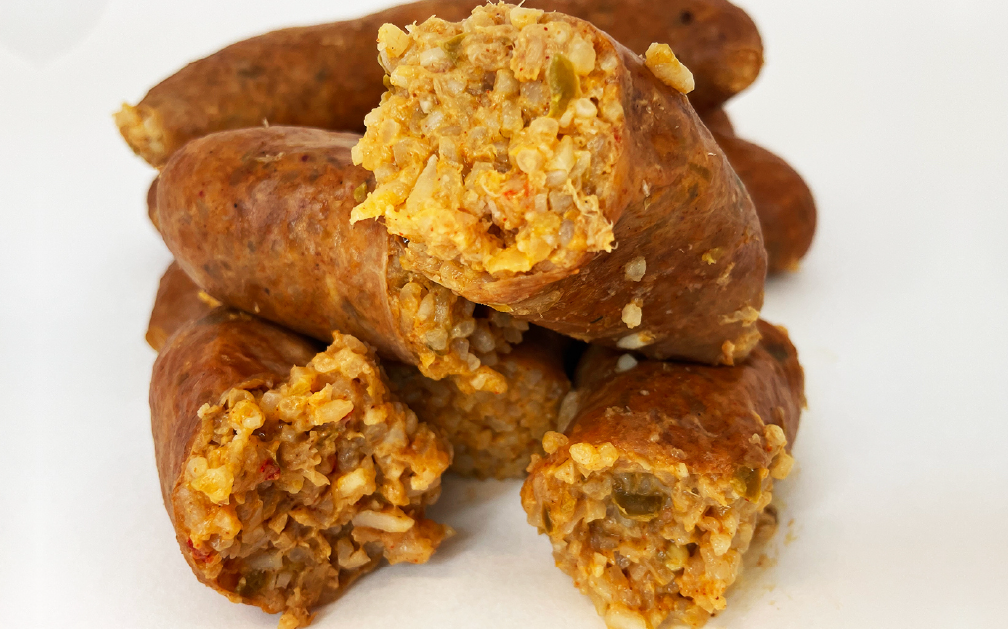
Cajun: Grilled meats, boudin, cracklins, fried foods
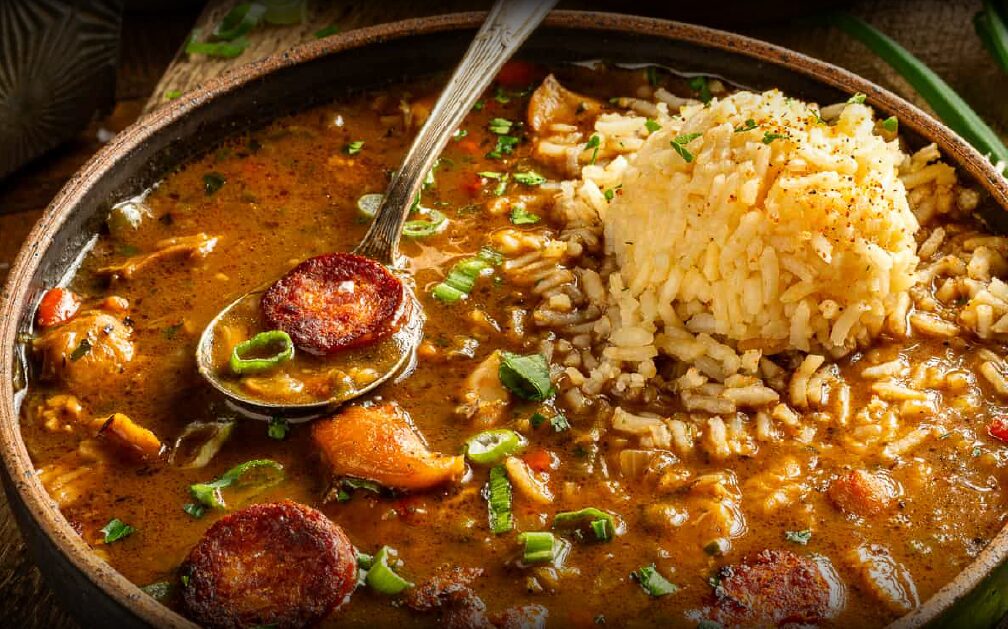
Creole: Gumbos, sauces, seafood dishes, rice dishes
Food historians at Acadiana Table often describe Cajun cooking as rustic and Creole cooking as refined—a distinction that shows up clearly in seasoning blends.
Which Seasoning Should You Use?
The answer depends on what you’re cooking.
Use Cajun Seasoning When:
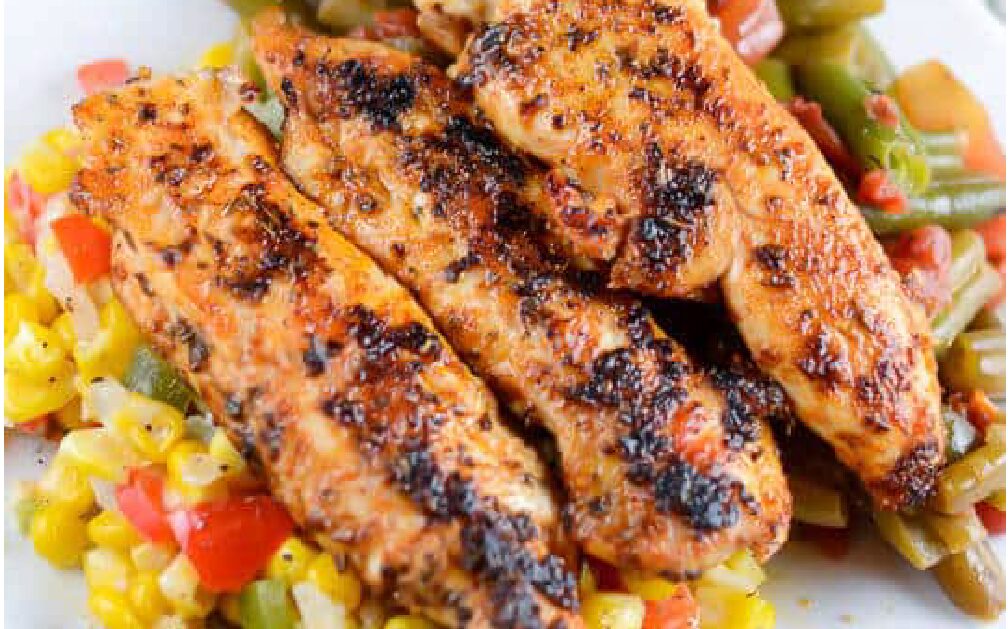
Image Source: https://flavormosaic.com/cajun-blackened-chicken/
- You want bold heat
- You’re cooking meat-heavy dishes
- You’re grilling, frying, or roasting
- You want seasoning to stand out
Cajun seasoning shines on:
- Chicken
- Pork
- Sausage
- Boudin
- Cracklins
👉 Pair it with Best Stop specialty meats for authentic Cajun flavor.
Use Creole Seasoning When:
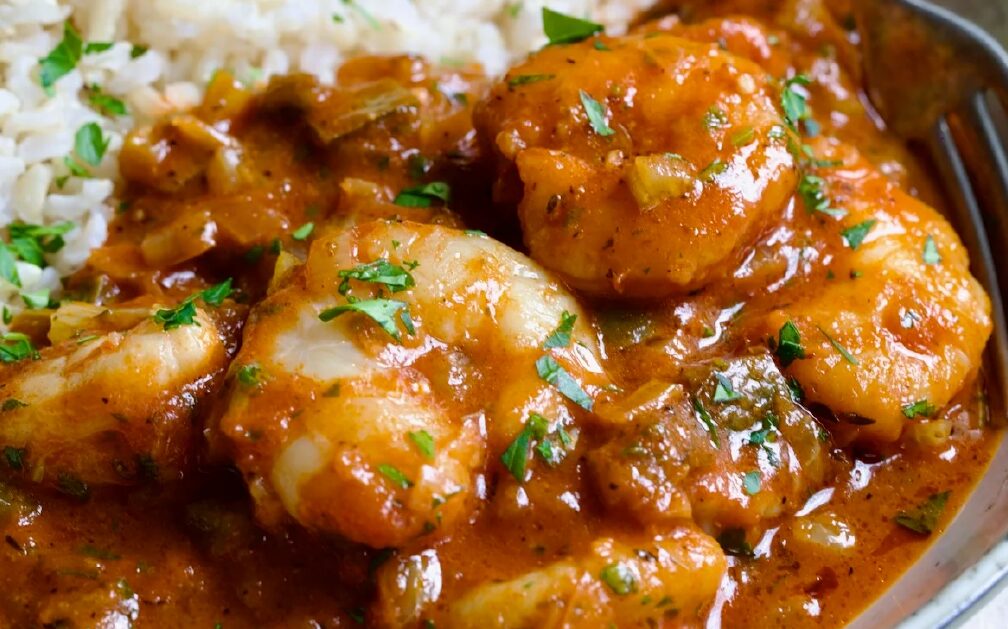
Image Source:https://www.fromachefskitchen.com/best-shrimp-creole/comment-page-1/
- You’re cooking sauces or stews
- You want layered flavor without heavy heat
- You’re making seafood dishes
- You’re cooking New Orleans–style recipes
Can You Substitute Cajun Seasoning for Creole (or Vice Versa)?
You can, but the result will be different.
Food experts at Saveur and Serious Eats explain that swapping the two changes the entire balance of a dish. Cajun seasoning may overpower delicate sauces, while Creole seasoning might not bring enough heat to rustic Cajun dishes.
When possible, use the seasoning that matches the cuisine.
How The Best Stop Approaches Cajun Seasoning
At The Best Stop, seasoning is taken seriously. Founded in 1986 by Robert Cormier and Lawrence Menard, the supermarket built its reputation on authentic Cajun flavors crafted the traditional way.
Their Cajun seasoning is designed to:
- Enhance natural flavors
- Work across meats and vegetables
- Reflect true Acadiana cooking
You’ll find it used throughout The Best Stop’s kitchen, from boudin to specialty meats.
TL;DR — Quick Summary
- Cajun seasoning is spicy, bold, and pepper-forward
- Creole seasoning is herbal, balanced, and complex
- Cajun cooking is rural and rustic
- Creole cooking is urban and refined
- Using the right seasoning makes a big difference
FAQs About
Is Cajun seasoning spicier than Creole?
Yes. Cajun seasoning typically has more cayenne and black pepper.
Does Creole seasoning contain herbs?
Yes. Oregano, thyme, and basil are common.
Can I use Cajun seasoning on seafood?
Absolutely—but expect more heat.
Which seasoning is more authentic to Acadiana?
Cajun seasoning.
Which seasoning is more common in New Orleans cooking?
Creole seasoning.
Final Thoughts: Understanding the Difference Matters
Knowing the difference between Cajun seasoning vs Creole seasoning helps you cook with intention and respect Louisiana’s rich culinary traditions.
Whether you’re grilling meat, cooking a gumbo, or seasoning vegetables, choosing the right blend brings your dish closer to authentic Louisiana flavor.
For bold, traditional Cajun seasoning crafted in Scott, Louisiana, trust The Best Stop Supermarket.