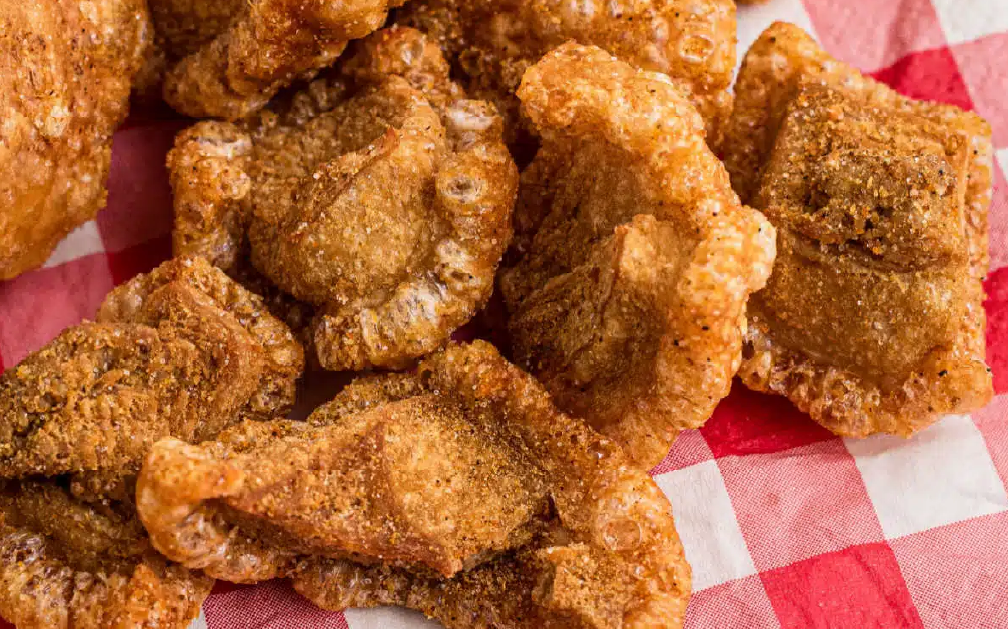
Hot, crunchy cracklins are one of the unmistakable flavors of South Louisiana. Traditionally, making them involves rendering and frying pieces of pork skin with attached fat—and sometimes meat—until they develop that signature dense crunch.
But what if you want to make something similar without a pot of hot rendered fat?
Learning how to make cracklins in the oven gives home cooks an approachable alternative. Using skin-on pork belly, low heat to render the fat, and higher heat to finish the exterior, you can create crispy, pork-forward bites without following the traditional frying method.
Are oven cracklins exactly the same as the ones you’d pick up at a Cajun meat market in Scott, Louisiana? No. Traditional cracklins have a distinctive texture created by their preparation.
But oven-baked cracklins can still deliver plenty of pork flavor and crunch.
What Are Traditional Cajun Cracklins?
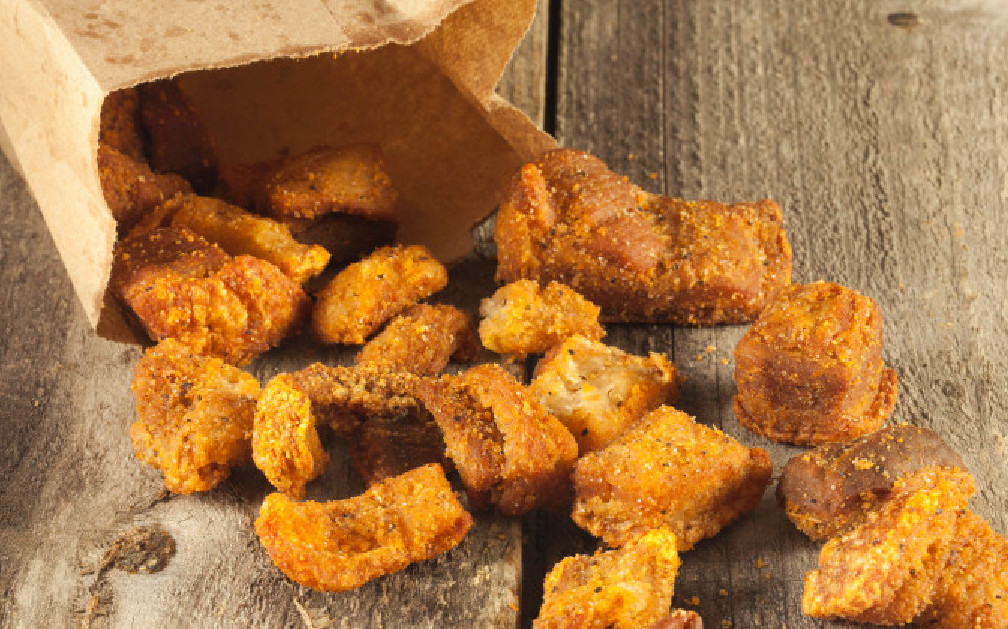
Image Source: https://acadianatable.com/2023/11/13/cajun-cracklins/
Before turning on the oven, it helps to understand what you’re recreating.
Cajun cracklins—often called grattons in French—are traditionally made from pieces of pork containing skin and fat, sometimes with a little meat attached.
The pork is cooked so its fat renders and the exterior becomes deeply crisp.
This style of cooking has roots in Louisiana’s boucherie tradition. 64 Parishes documents the boucherie as a communal hog-butchering tradition in which families and neighbors processed the animal into a variety of foods.
Cracklins became one delicious result of putting the hog to good use.
Today, they’re strongly associated with South Louisiana meat markets and Cajun food culture. Acadiana Table offers another window into this tradition through its extensive coverage of Acadiana cooking and Louisiana pork dishes.
That’s also why it’s useful to distinguish oven cracklins from traditional Cajun cracklins. We’re borrowing the basic idea—skin, fat, rendering, and crisping—but changing the cooking method.
Easy Oven Cracklins Recipe
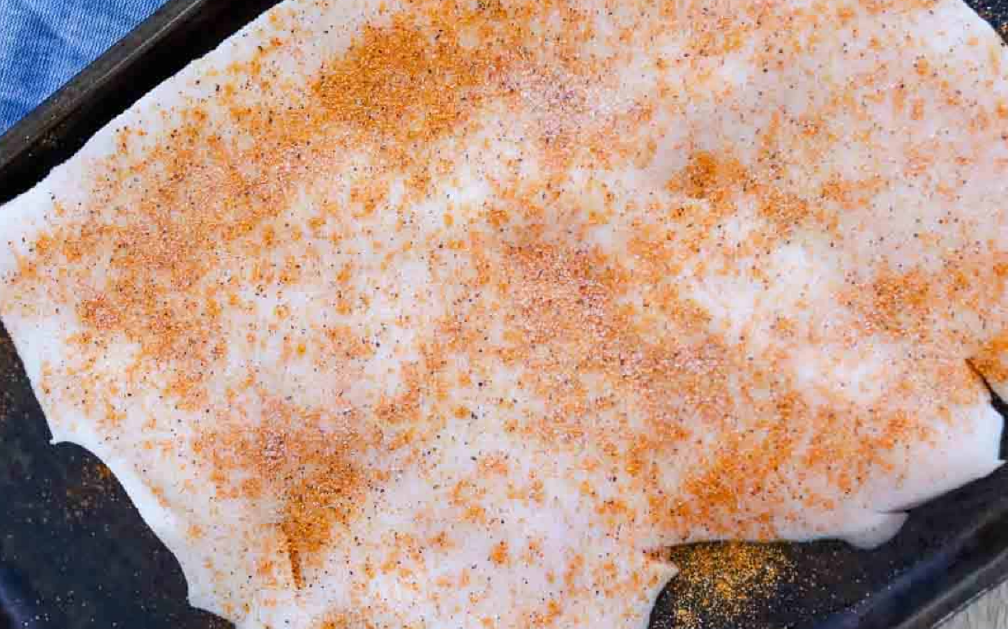
Image Source: https://thinlicious.com/how-to-make-crackling/
What You’ll Need
- 2 pounds skin-on pork belly
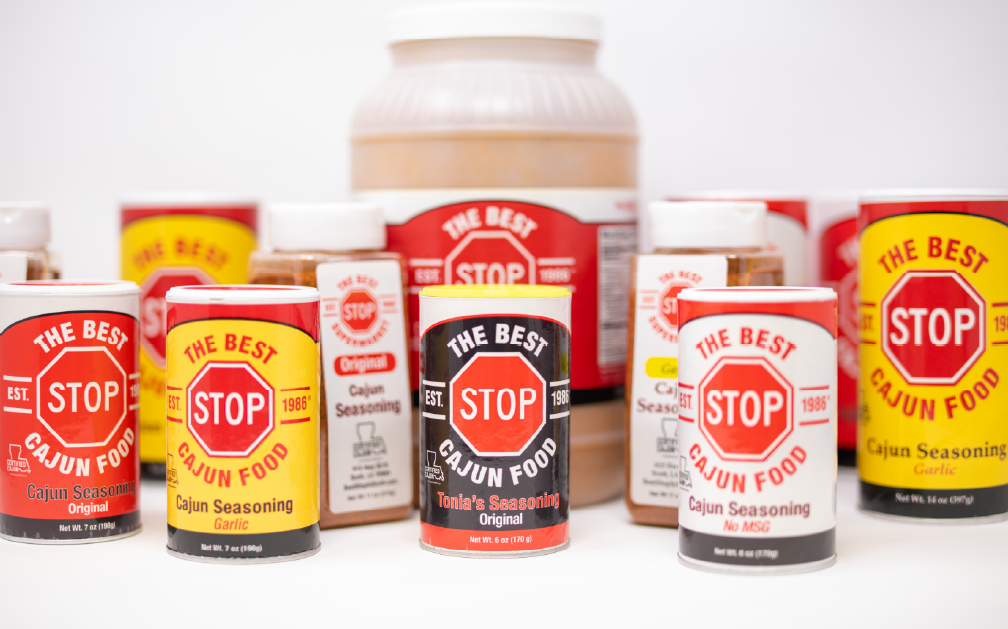
- Best Stop Cajun Seasoning, to taste
- Additional salt, if needed
That’s it.
The pork is already bringing the fat, skin, and meat. Your job is to render it gradually and create a crisp exterior.
Step 1: Cut the Pork Belly
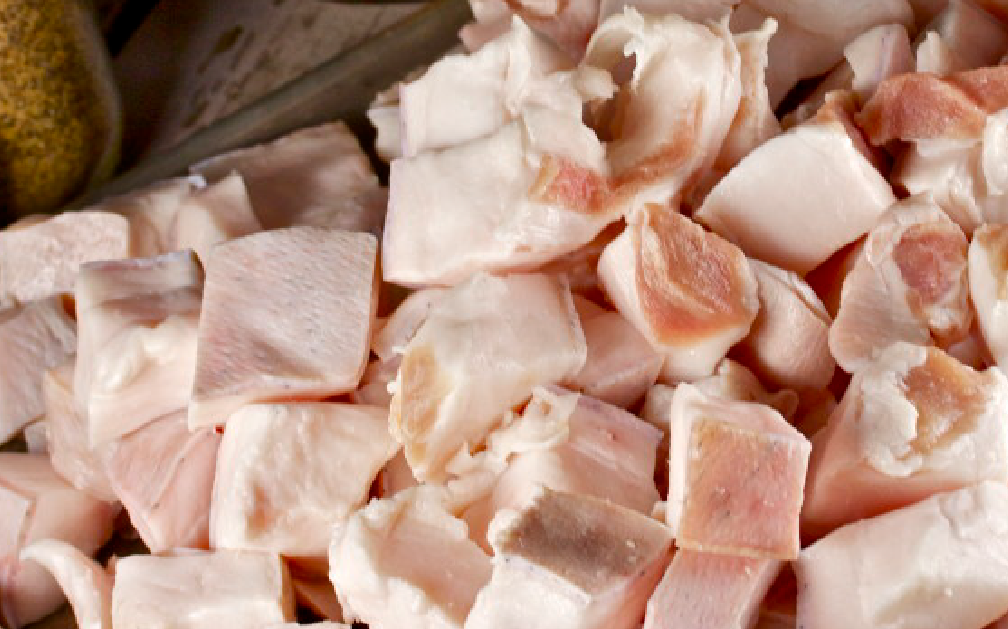
Image Source: https://acadianatable.com/2023/11/13/cajun-cracklins/
Pat the pork belly dry with paper towels.
Using a sharp knife, cut it into bite-sized pieces, keeping the skin, fat, and meat layers together.
Try to make the pieces reasonably consistent in size. Similar-sized pieces are more likely to look at approximately the same rate.
Drying the surface is also important when crispness is the goal. Food-science research published in Foods and available through the National Library of Medicine demonstrates how moisture reduction is an important part of developing the expanded, crispy texture of pork skin.
Oven cracklins won’t undergo the same process as the fried pork skins studied in that research, but the underlying lesson is useful: moisture and crispness are closely connected.
Step 2: Season the Pork
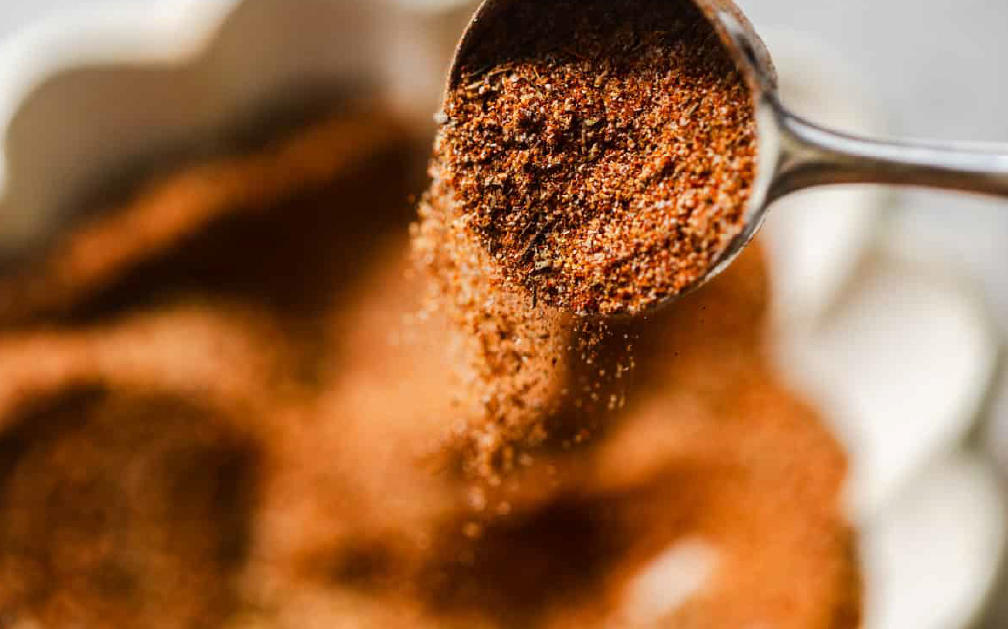
Season the pork belly pieces with Best Stop Cajun Seasoning.
Toss until the pieces are lightly and evenly coated.
You don’t need to bury the pork in seasoning. Cracklins should still taste like pork, with the seasoning complementing the rendered fat and crispy skin.
If you’re using another seasoning blend, check its salt content before adding additional salt.
Step 3: Arrange for Even Cooking
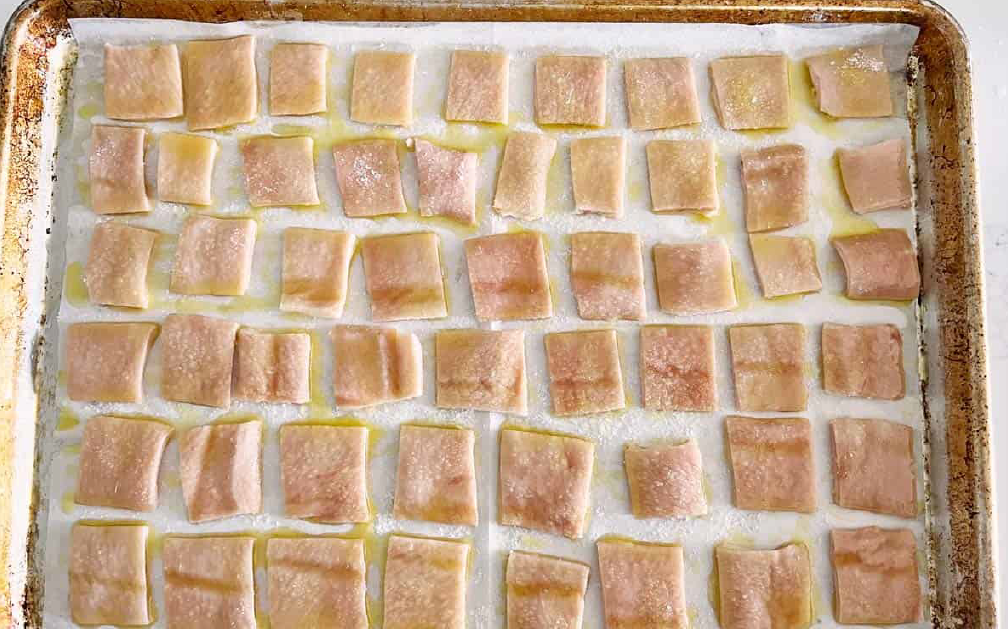
Image Source: https://healthyrecipesblogs.com/homemade-pork-rinds/
Preheat your oven to 300°F.
Place a wire rack over a rimmed baking sheet and arrange the pork belly pieces in a single layer, leaving some space between them.
The rack allows rendered fat to drain away from the pieces instead of pooling around them.
Because pork belly can release a significant amount of fat, use a sturdy, rimmed baking sheet and handle the pan carefully throughout cooking.
Step 4: Slowly Render the Fat
Bake the pork belly at 300°F for approximately 60 to 90 minutes, checking it periodically.
You’re looking for the fat to render gradually while the pork begins to brown.
Cooking time can vary substantially depending on the thickness of the pork belly and the size of your pieces, so treat the clock as a guide rather than the only indication of doneness.
This rendering stage is an important part of cracklin preparation.
AmazingRibs describes rendering as central to its traditional cracklins technique, although its method uses a different cooking process than our oven version.
Similarly, Louisiana Cookin’ documents cracklins throughout Louisiana recipes and culinary traditions, where their rich pork flavor and crunchy texture make them useful both as a snack and an ingredient.
Step 5: Turn Up the Heat
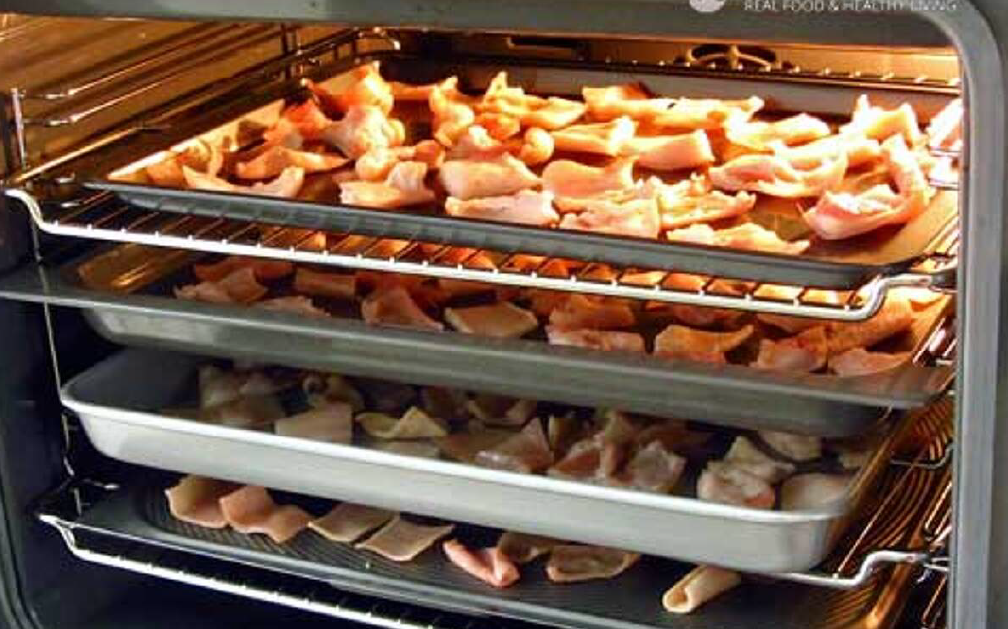
Image Source: https://ketodietapp.com/Blog/lchf/how-to-make-pork-cracklings-aka-pork-rinds-aka-chicharrones
Once much of the fat has rendered and the pieces are beginning to brown, carefully remove the baking sheet.
Increase the oven temperature to 425°F.
Return the pork to the oven and continue cooking, watching closely, until the exterior becomes deeply browned and crisp.
Turn the pieces as needed for more even cooking.
The exact finishing time will depend on the pork, your oven, and the size of the pieces. Don’t walk away during this stage: the difference between crisp pork and burned pork becomes much smaller at higher temperatures.
Step 6: Check, Rest & Season
For food safety, verify doneness with a food thermometer rather than relying exclusively on color.
The USDA Food Safety and Inspection Service recommends cooking whole cuts of pork to a minimum internal temperature of 145°F followed by at least a three-minute rest.
With cracklin-style pork belly, you’ll generally cook beyond the point at which pork first reaches its safe minimum temperature because the goal is also to render fat and crisp the exterior.
Once crispy, carefully remove the pieces and let excess fat drain.
Taste one after it has cooled enough to eat safely. Add another light dusting of Cajun seasoning if desired.
Why Aren’t My Oven Cracklins Crispy?
If your oven cracklins come out chewy instead of crunchy, a few factors may be responsible.
Too Much Surface Moisture
Start with dry pork belly. Pat the skin thoroughly before seasoning.
Pieces Are Crowded
Leaving room between pieces promotes more even exposure to hot air. Crowding can trap moisture.
The Fat Hasn’t Rendered Enough
Trying to crisp the exterior before sufficient rendering can leave you with tough, fatty pieces rather than a satisfying crunch.
They Need a Hotter Finish
The lower-temperature stage renders fat. The higher-temperature finish develops additional browning and crispness.
Just watch them closely once you increase the heat.
Oven Cracklins vs. Traditional Cracklins
Here’s the key distinction: oven-baked cracklins are an at-home adaptation, not a replacement for traditionally prepared Cajun cracklins.
Traditional cracklin makers render and fry the pork to achieve a particular combination of crispy skin, rendered fat, and dense texture.
The oven uses dry heat and a slower process, so you should expect a different result. Depending on the cut, your finished pieces may resemble extra-crispy pork belly as much as traditional cracklins.
That’s not necessarily a drawback.
The oven method is useful for home cooks who want crispy Cajun-seasoned pork without managing a traditional cracklin pot.
But if what you’re craving is the real South Louisiana experience, we’d recommend leaving that part to the cracklin makers.
What to Serve with Oven Cracklins
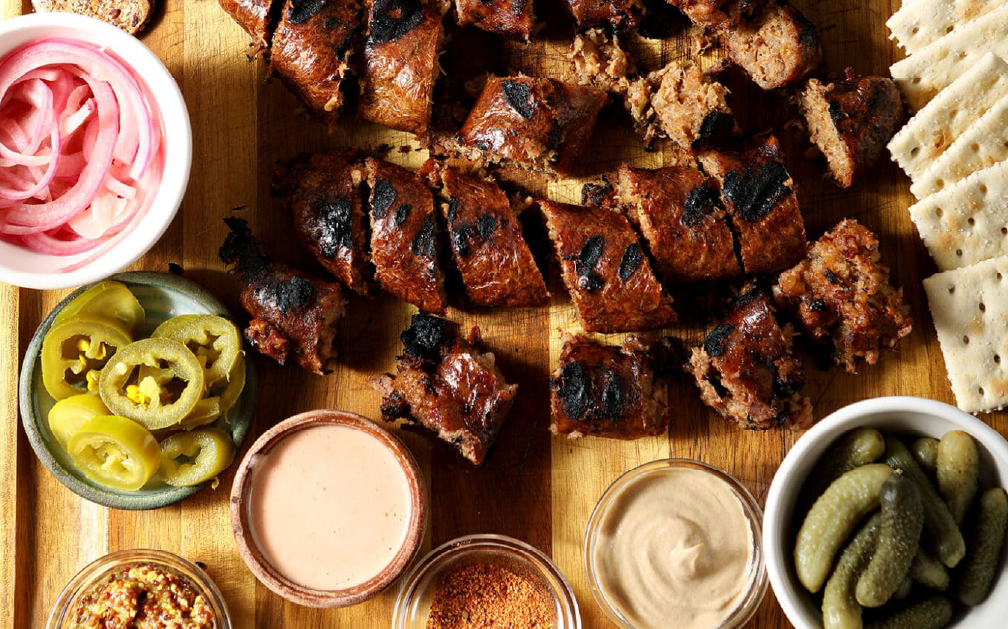
Image Source: https://www.thespeckledpalate.com/boudin-board/
Freshly cooked cracklins don’t need much accompaniment.
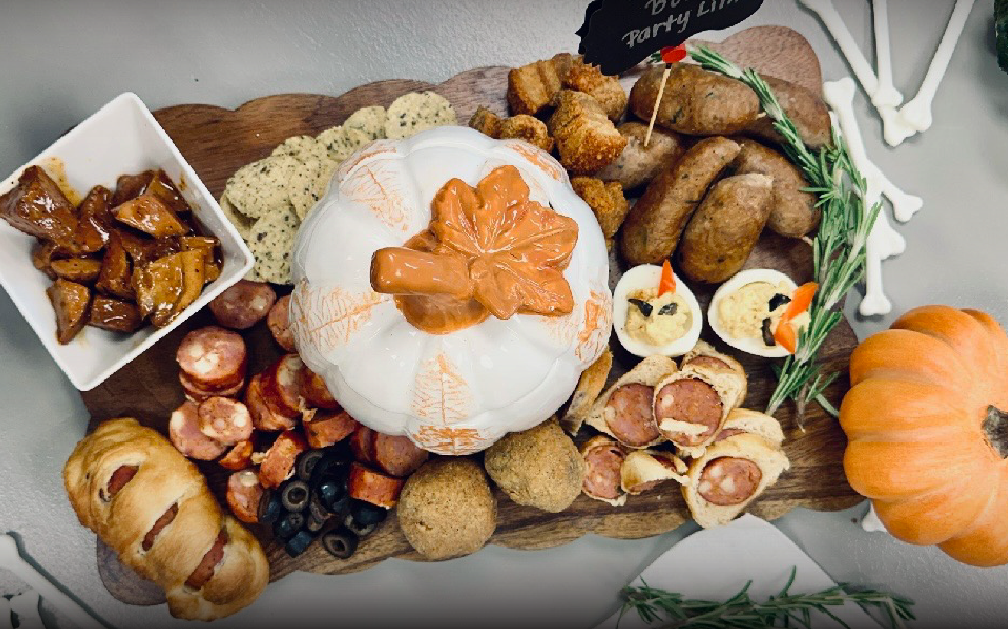
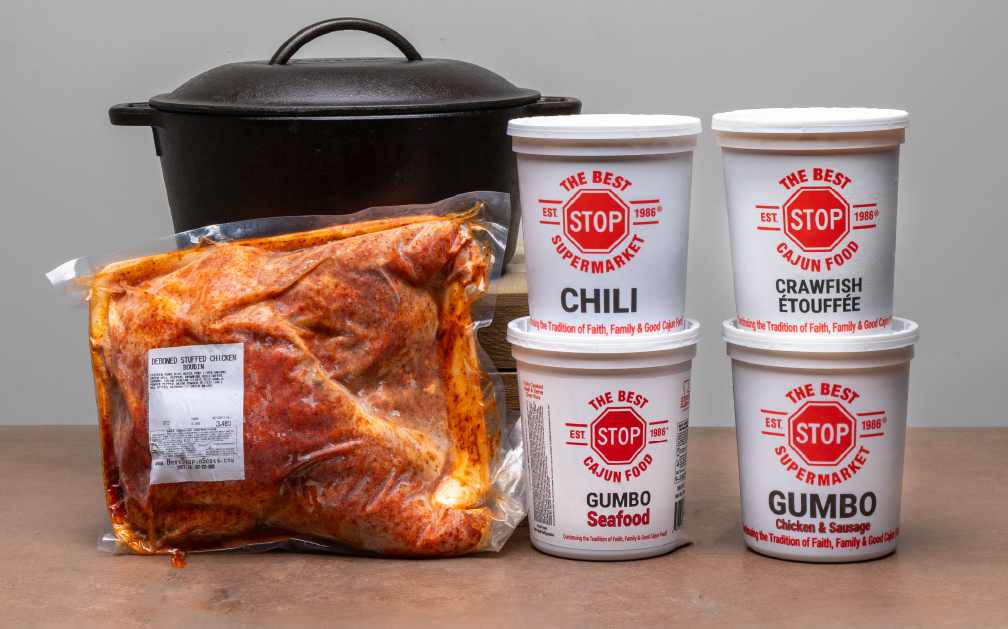
Serve them warm as an appetizer or snack, or build them into a larger Cajun spread with boudin, sausage, and other Louisiana favorites.
Try pairing them with:
- Boudin
- Smoked sausage
- Pickles
- Mustard
- Hot sauce
- French bread
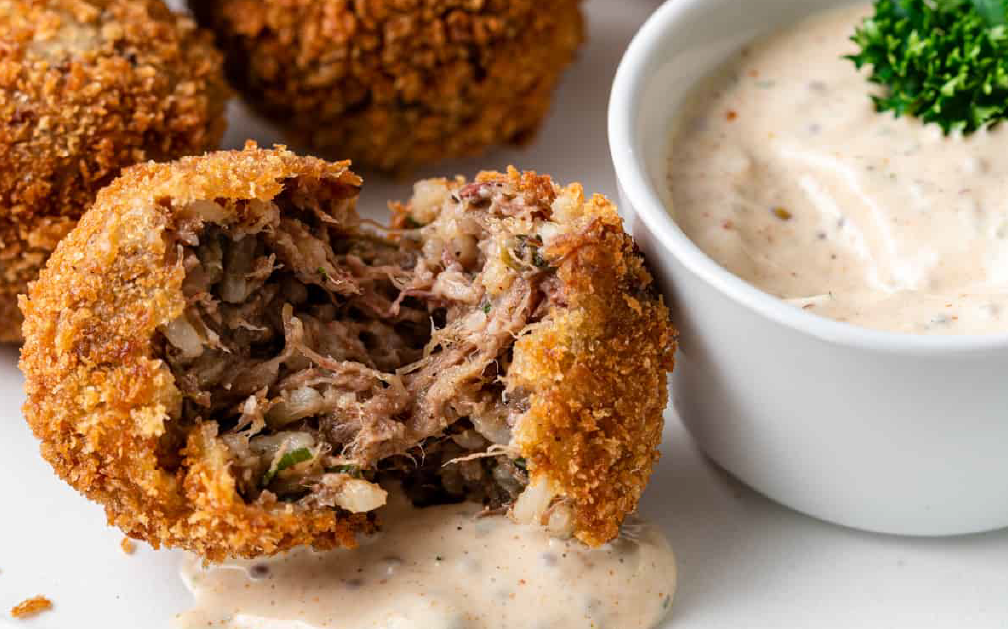
- Cajun dips
You can also chop leftover cracklins and incorporate them into other dishes.
Cracklin cornbread is a classic example. Louisiana Cookin’ has featured cracklin cornbread among its Louisiana recipes, demonstrating how cracklins can become an ingredient rather than simply a snack.
A South Louisiana Favorite
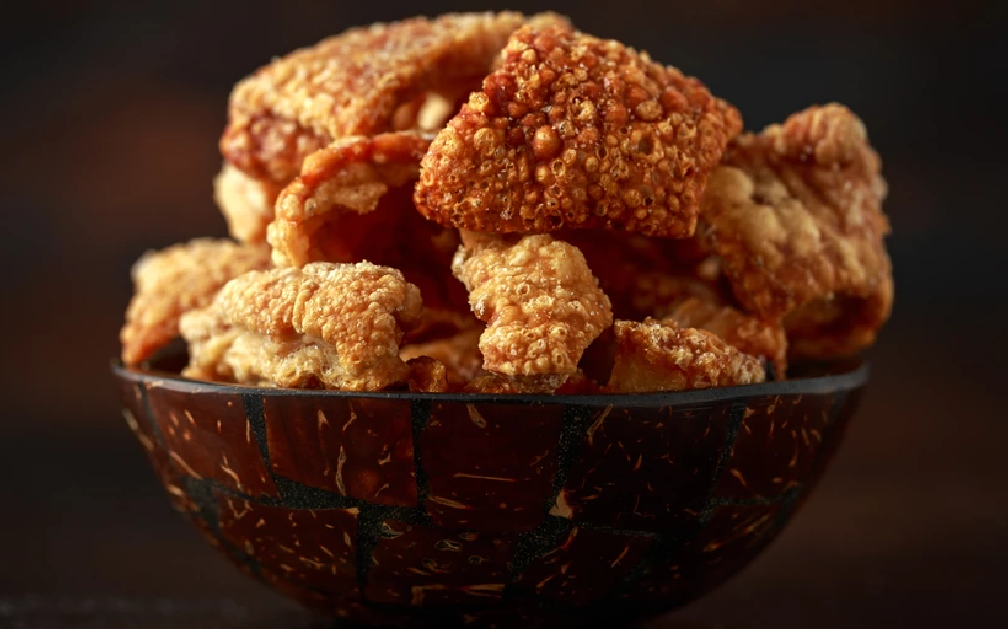
Image Source: https://www.mashed.com/378888/how-are-pork-rinds-different-from-cracklings/
Cracklins aren’t simply another version of pork rinds.
Traditional Cajun cracklins retain fat and can contain some meat, creating a denser bite than the light, expanded structure associated with pork rinds.
That distinction is part of what makes cracklins so recognizable throughout Acadiana.
In Scott, Louisiana, they’re also part of The Best Stop’s story.
Robert Cormier and Lawrence Menard opened The Best Stop Supermarket in 1986, and foods such as boudin and cracklins became closely associated with the business and its Cajun roots.
TL;DR — How to Make Cracklins in the Oven
- Traditional Cajun cracklins are rendered and fried; oven cracklins are an at-home adaptation.
- Start with skin-on pork belly so you have skin, fat, and meat in each piece.
- Pat the pork thoroughly dry before cooking.
- Cut the pork belly into similarly sized bite-sized pieces.
- Season with Cajun seasoning.
- Begin cooking at 300°F to gradually render the fat.
- Increase the oven to 425°F to develop additional browning and crispness.
- Use a food thermometer to verify safe cooking.
- Expect oven cracklins to have a different texture from traditionally prepared Louisiana cracklins.
- Serve warm or use chopped cracklins in dishes such as cornbread.
FAQs: How to Make Cracklins in the Oven
Can you really make cracklins in the oven?
Yes, with one qualification. You can make crispy skin-on pork belly bites inspired by cracklins in an oven, but the result won’t be identical to traditional Cajun cracklins, which use a rendering and frying process.
What cut of pork should I use for oven cracklins?
Skin-on pork belly is a practical choice because it contains the skin, fat, and meat needed to produce a rich, crispy bite.
Why aren’t my cracklins getting crispy in the oven?
Excess moisture, overcrowding, insufficient rendering, or inadequate finishing heat can all contribute to softer skin. Pat the pork dry, leave room between pieces, render slowly, and finish at higher heat while watching carefully.
What temperature should pork cracklins reach?
The USDA recommends a minimum internal temperature of 145°F with a three-minute rest for whole cuts of pork. Cracklin-style pork belly is generally cooked beyond that point to achieve additional fat rendering and crispness.
Are cracklins and pork rinds the same thing?
No. Cajun cracklins typically retain pork fat and sometimes meat beneath the skin, making them denser than pork rinds, which are primarily made from processed pork skin.
How should I season homemade cracklins?
Cajun seasoning is an easy choice. Season lightly before cooking, then taste the finished cracklins and add more seasoning if needed.
Final Thoughts:
Learning how to make cracklins in the oven gives you an approachable way to turn skin-on pork belly into crispy, Cajun-seasoned bites at home.
The technique comes down to two stages: render first, crisp second.
Lower oven heat gives the pork fat time to render. A hotter finish then helps brown and crisp the exterior. Add Cajun seasoning, and you’ve got a pork-forward snack ready for a game day, gathering, or weekend in the kitchen.
Just remember that oven cracklins and traditional Cajun cracklins aren’t quite the same experience.
When you’re craving that classic South Louisiana crunch, there’s an easier recipe: open the bag.