From Weeknight Chicken to Popcorn, Put Your Cajun Seasoning to Work
That bottle of Cajun seasoning in the pantry can do a whole lot more than wait around for gumbo night.
A versatile Cajun blend can bring savory, peppery flavor to meats, seafood, vegetables, starches, snacks, and even breakfast. Knowing the best Cajun seasoning uses makes it easier to add Louisiana-inspired flavor to everyday meals without turning every dinner into a complicated recipe.
Cajun cooking is deeply connected to South Louisiana. Explore Louisiana highlights Cajun cuisine as an important part of the state’s culinary identity, shaped by generations of cooks and the ingredients available throughout the region.
At The Best Stop in Scott, Louisiana, Cajun flavor is something we know a little about.
So grab the seasoning. Here are 15 foods ready for a Cajun kick.
1. Chicken
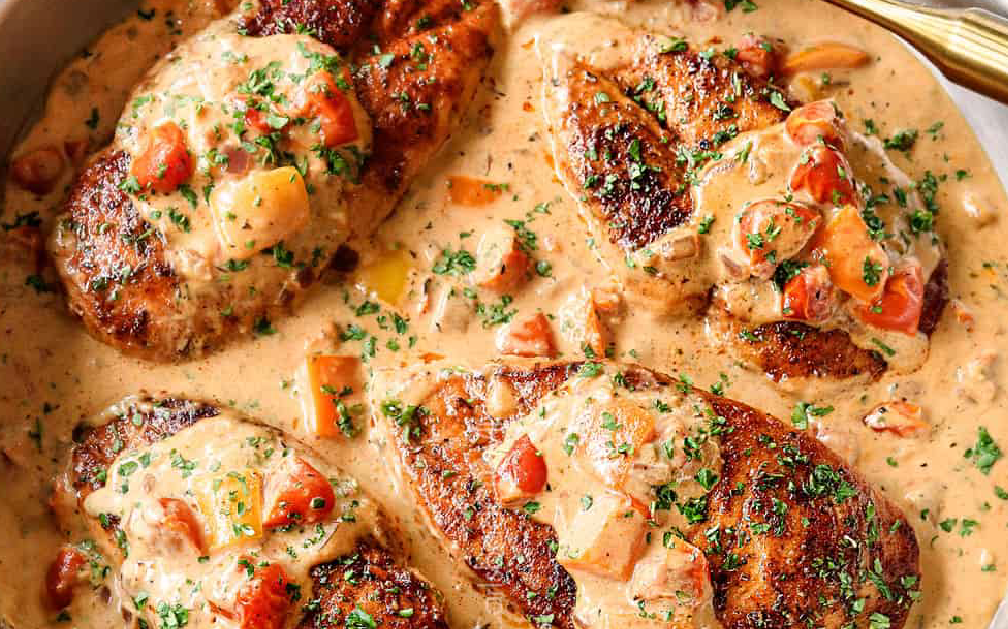
Image Source: https://carlsbadcravings.com/cajun-chicken/
Chicken is one of the easiest places to start.
Sprinkle Cajun seasoning over breasts, thighs, wings, or a whole chicken before grilling, roasting, baking, or pan-cooking. A little oil can help the seasoning coat the surface evenly.
The result works just as well for a weeknight dinner as it does sliced over a salad or tucked into a sandwich.
2. Shrimp
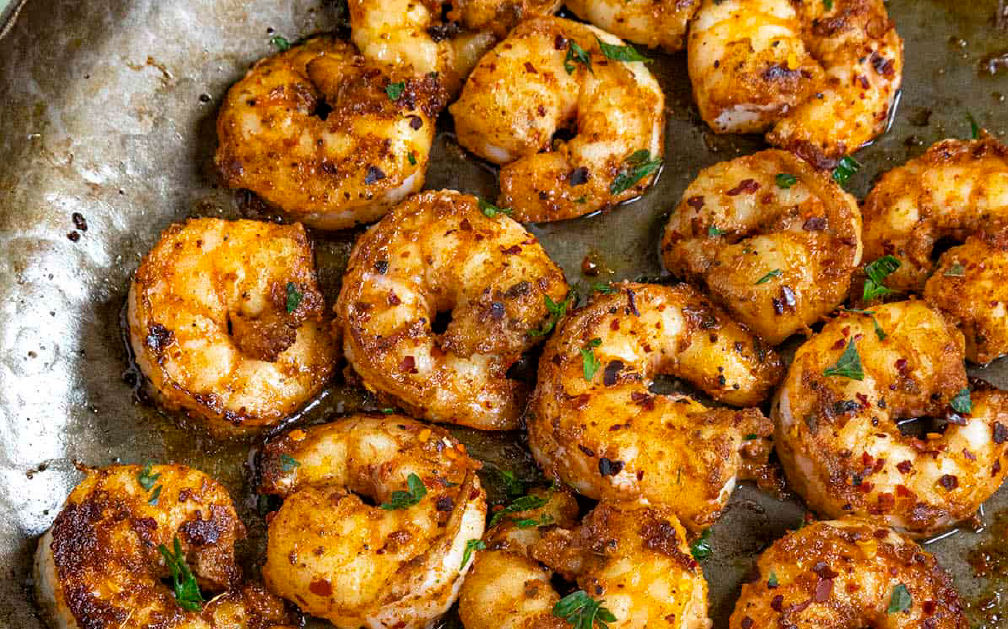
Image Source: https://www.chilipeppermadness.com/recipes/cajun-shrimp/
Shrimp and Cajun seasoning are natural partners.
Lightly season peeled shrimp before sautéing, grilling, or roasting. Because shrimp cook quickly and have a relatively delicate flavor, you don’t need to bury them in seasoning.
Serve Cajun shrimp with rice, pasta, vegetables, or French bread.
Louisiana Cookin’ regularly showcases shrimp in Louisiana recipes, reflecting just how comfortably seafood and bold seasoning fit together in the state’s cooking.
3. Potatoes
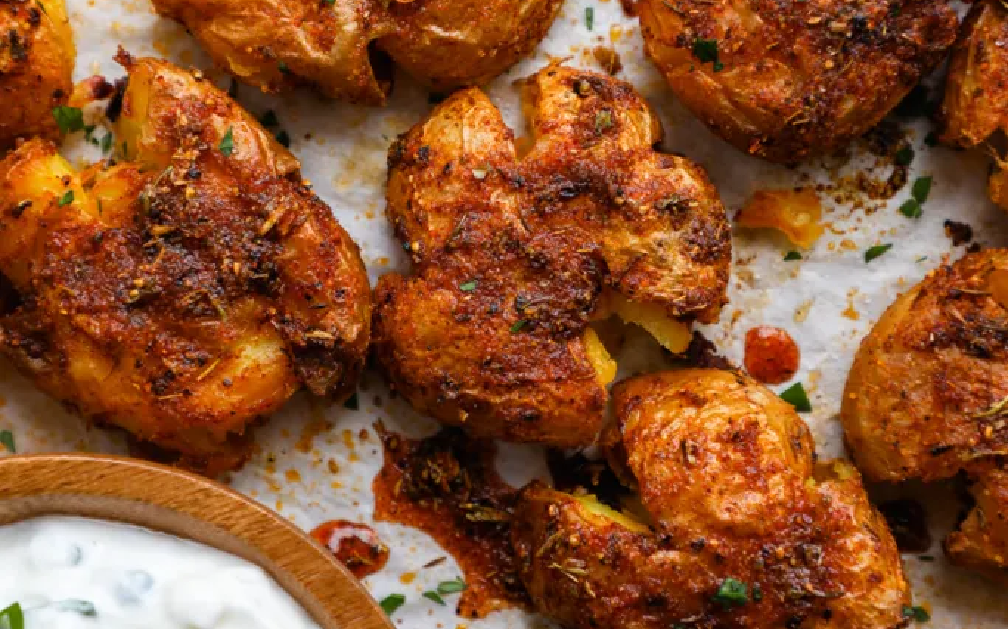
Image Source: https://kaleforniakravings.com/crispy-cajun-smashed-potatoes-with-lemon-garlic-sour-cream-sauce/
If you’re wondering what to use Cajun seasoning on besides meat, start with potatoes.
Cut potatoes into wedges or cubes, toss them with oil and Cajun seasoning, then roast until browned and tender.
The same idea works with French fries.
Season fries while they’re still hot so the spices adhere to the surface. Serve them alongside burgers, sandwiches, fried seafood, or just eat them straight from the tray.
We won’t judge.
4. Roasted Vegetables
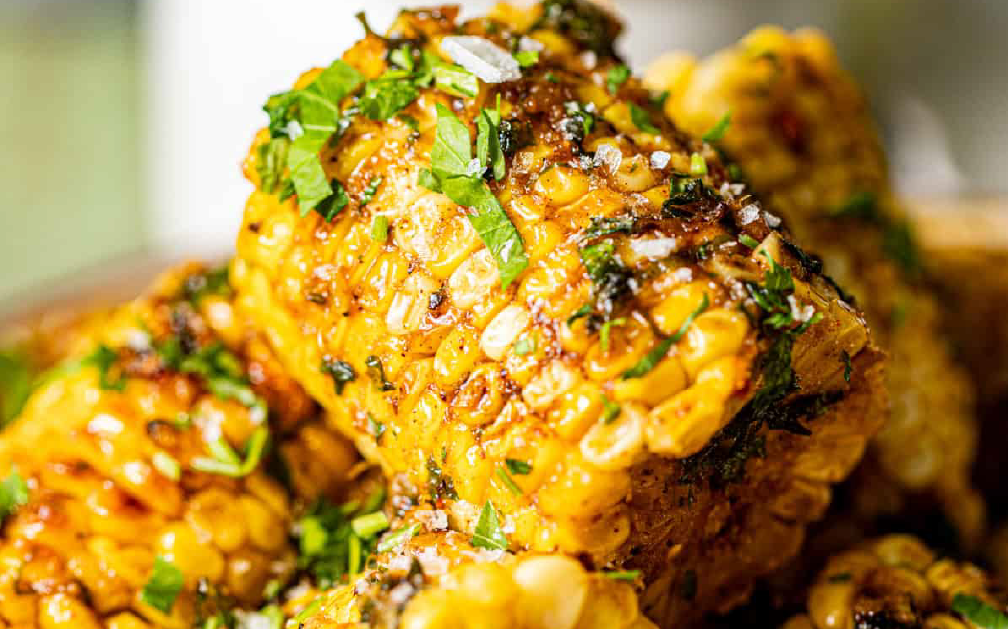
Image Source: https://britneybreaksbread.com/cajun-corn-on-the-cob/
Corn, broccoli, cauliflower, zucchini, squash, bell peppers, mushrooms, and onions can all take on a completely different personality with Cajun seasoning.
Toss the vegetables lightly with oil, add seasoning, and roast until they’re browned around the edges and cooked to your liking.
The LSU AgCenter provides research-based information on vegetables, herbs, spices, and food preparation, making it a useful Louisiana resource for home cooks looking to make more of everyday ingredients.
This is also an easy way to bring Cajun flavor to the plate without making the entire meal heavy.
5. Rice
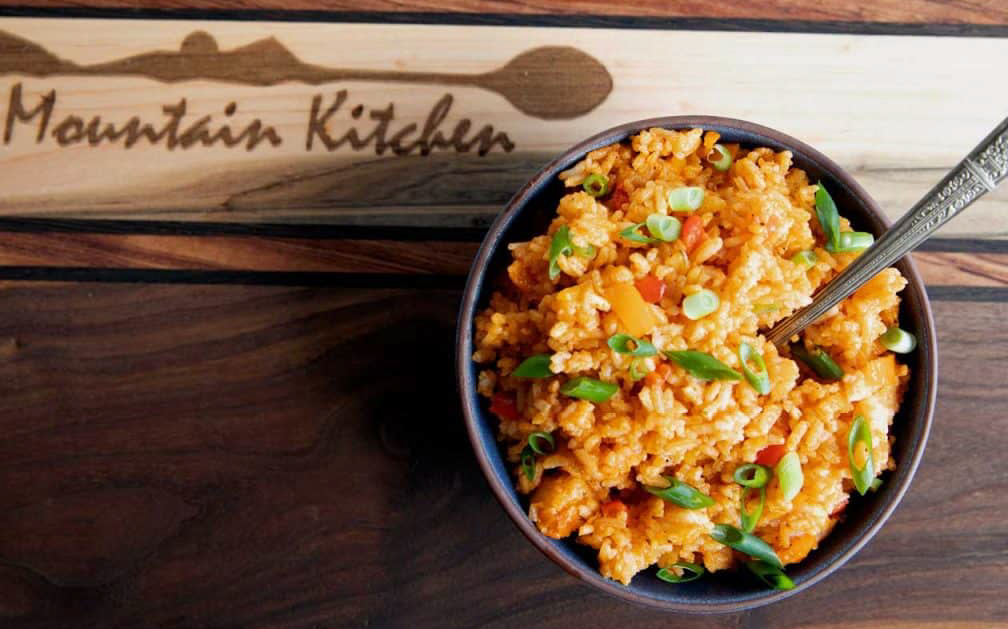
Image Source: https://www.themountainkitchen.com/easy-cajun-rice/
Rice is fundamental to countless Louisiana meals, but it doesn’t always have to stay in the background.
Add Cajun seasoning to rice dishes when you want more savory flavor, particularly when combining rice with chicken, sausage, seafood, or vegetables.
Start with a modest amount. You can always add more after tasting.
Acadiana Table offers plenty of examples of rice’s importance to Acadiana cooking through dishes ranging from jambalaya to rice and gravy.
6. Pasta
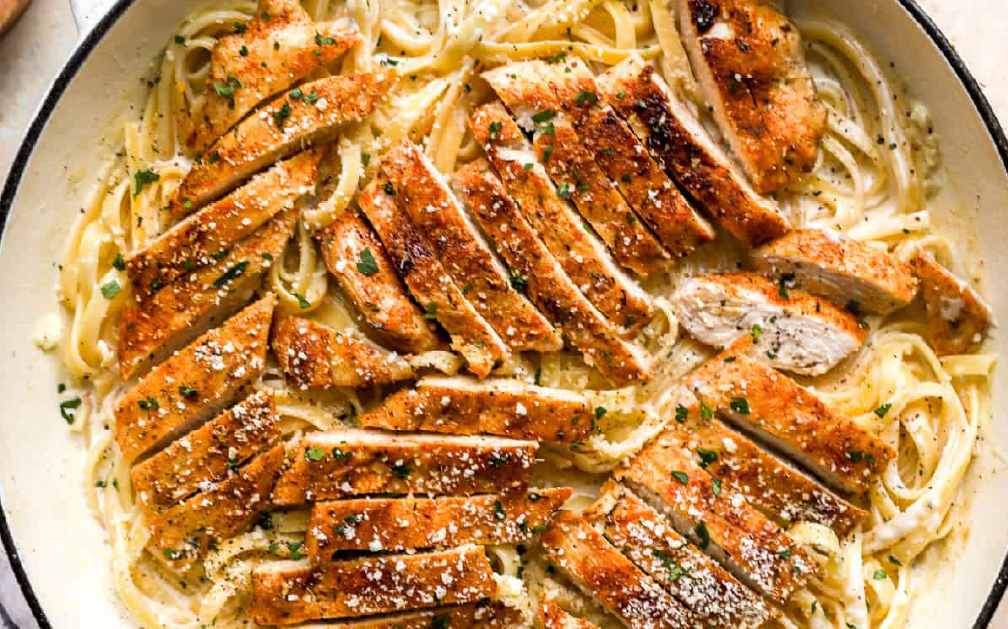
Image Source: https://easychickenrecipes.com/cajun-chicken-alfredo/
Season chicken or shrimp, cook it separately, and combine it with pasta and your preferred sauce for a hearty dinner.
Cajun seasoning works especially well when a creamy sauce needs something peppery to balance its richness.
If your seasoning contains salt, remember to account for the salt already present in cheese, sauce, or other ingredients.
7. Eggs
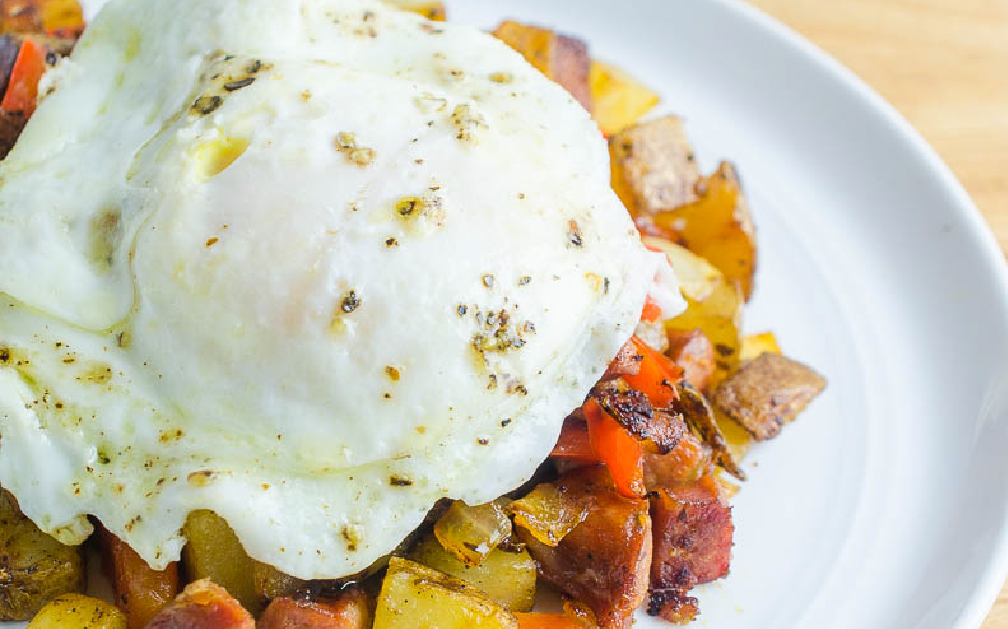
Image Source: https://www.lifesambrosia.com/cajun-breakfast-skillet-recipe/
Your breakfast deserves seasoning, too.
Add a light sprinkle of Cajun seasoning to scrambled eggs, omelets, fried eggs, or breakfast potatoes.
You can also use it in breakfast sandwiches alongside eggs, cheese, and sausage.
This is one of the easiest Cajun seasoning uses because there’s no special recipe required. You’re simply replacing—or supplementing—the salt and pepper you’d normally reach for.
8. Burgers
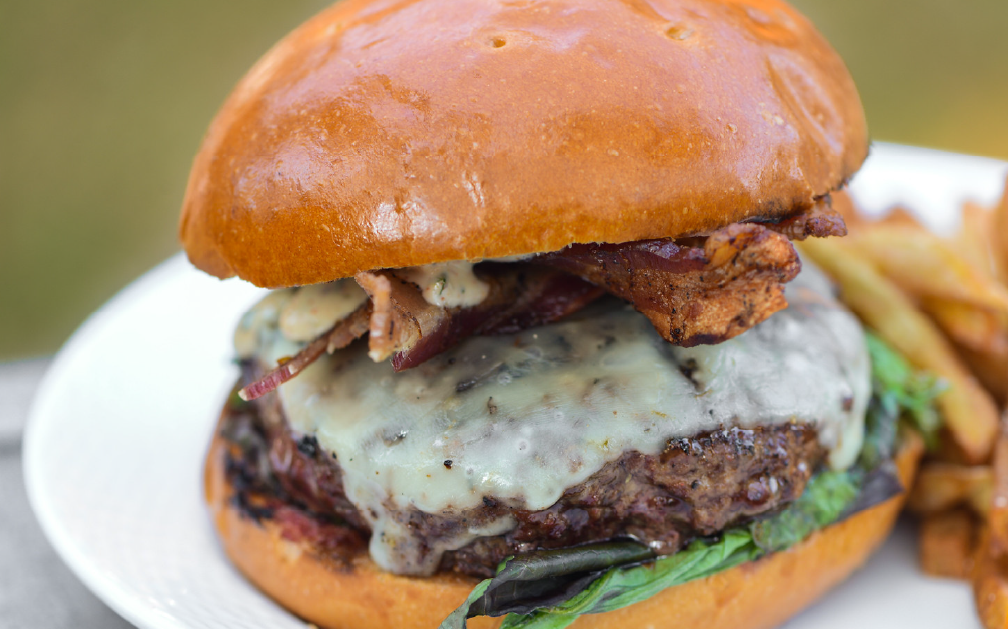
Image Source: https://meatwave.com/recipes/grilled-cajun-seasoned-blackened-cheeseburgers-with-bacon-and-louisiana-remoulade-recipes
Before burger patties hit the grill, give them a Cajun twist.
Season the exterior lightly, then cook as usual. Add cheese, lettuce, tomato, pickles, or a spicy mayonnaise to finish the burger.
The same idea works for turkey burgers and chicken burgers.
Serious Eats has extensively explored seasoning and cooking techniques, including the role salt, spices, heat, and browning play in developing flavor.
Simple food still benefits from thoughtful seasoning.
9. Soups and Stews
A small amount of Cajun seasoning can add another layer of flavor to soups, stews, beans, and other slow-cooked dishes.
Seasoning blends can contain salt, so taste the dish before adding more. You want the seasoning to work with your stock, vegetables, meat, and other spices rather than overwhelm them.
This is where understanding what’s actually in your seasoning matters. USDA FoodData Central provides ingredient and nutrient information for individual foods and spices, while the package label on your specific seasoning tells you exactly what you’re working with.
10. Butter
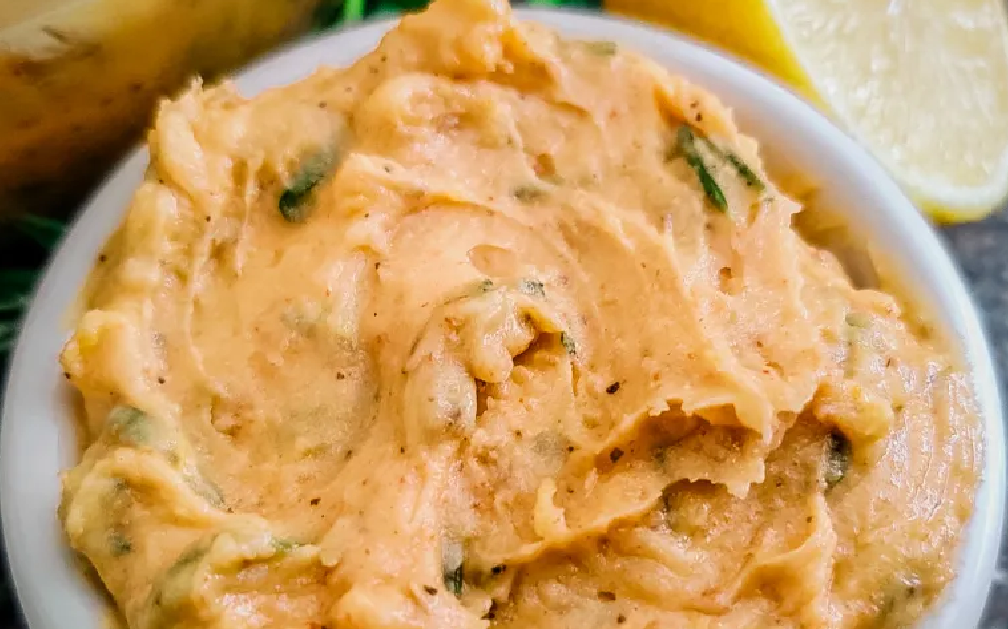
Image Source: https://flavorfulfinds.com/cajun-compound-butter/
Cajun compound butter sounds fancy. It isn’t.
Let butter soften, mix in Cajun seasoning, then refrigerate until you’re ready to use it.
Put a small amount over grilled steak, chicken, fish, corn, potatoes, vegetables, or warm French bread.
It lets you add richness and seasoning at the same time—and makes a simple dinner feel a little more intentional.
How Much Cajun Seasoning Should You Use?
There’s no universal amount that works for every food or every seasoning blend.
Cajun seasonings differ in their proportions of salt, peppers, garlic, onion, herbs, and other spices. That’s why tasting as you cook matters.
Start lightly, especially with seafood, eggs, popcorn, and other foods that can be easily over-seasoned.
You can always add more.
You cannot chase the seasoning back into the bottle.
For meat and vegetables, coating the surface evenly is generally more useful than concentrating a large amount in one spot.
And always check the label if you’re watching sodium or combining the seasoning with other salty ingredients.
What Gives Cajun Seasoning Its Flavor?
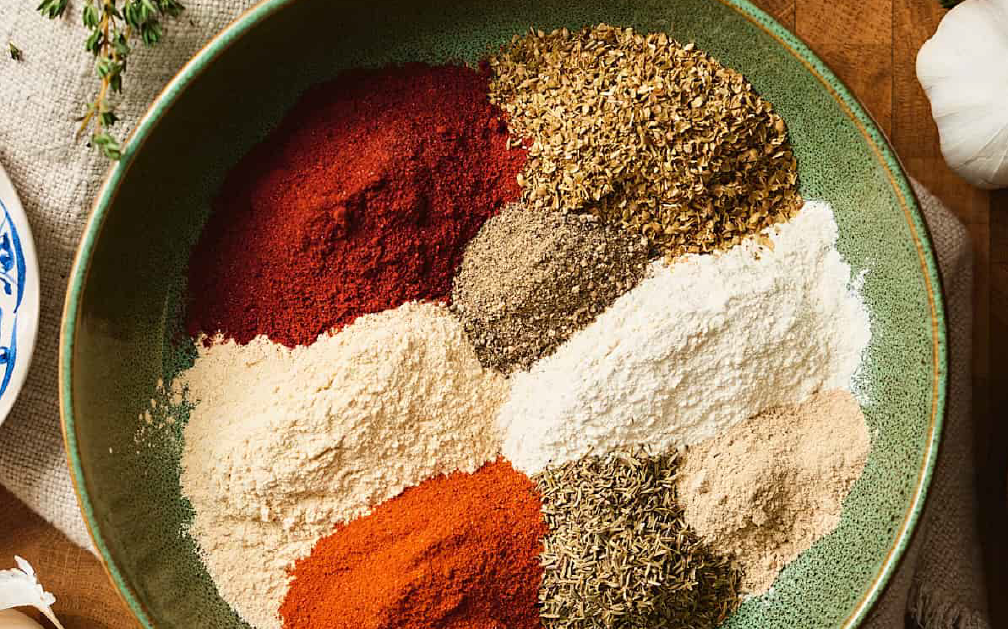
Image Source: https://afullliving.com/cajun-seasoning-recipe/
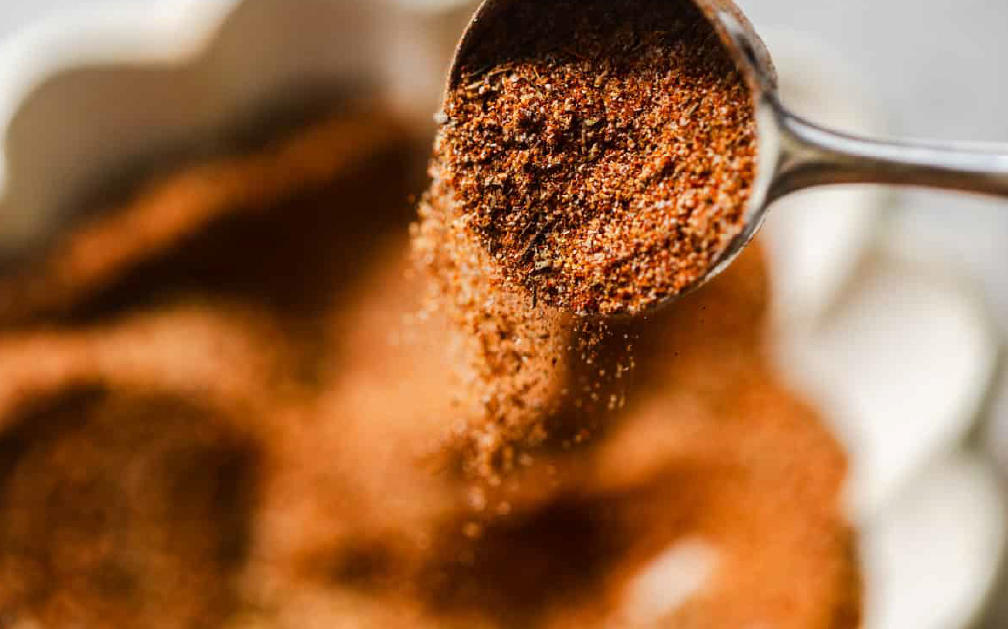
There isn’t one mandatory formula for every Cajun seasoning blend.
Common ingredients can include paprika, cayenne or other peppers, black pepper, garlic, onion, herbs, and salt in varying proportions.
That’s why two Cajun seasonings can taste noticeably different.
Rather than thinking of Cajun seasoning simply as “spicy,” think about balance. Pepper provides heat and pungency, while garlic, onion, herbs, and other spices build savory character.
That versatility is exactly what makes the seasoning useful beyond traditional Cajun recipes.
From pork to potatoes and shrimp to popcorn, the right blend can bring a little South Louisiana character to all kinds of food.
TL;DR — 10 Cajun Seasoning Uses
Try Cajun seasoning on:
- Chicken
- Shrimp
- Potatoes and fries
- Roasted vegetables
- Rice
- Pasta
- Eggs
- Burgers
- Soups and stews
- Butter
FAQs: The Best Cajun Seasoning Uses
What is Cajun seasoning good on?
Cajun seasoning works well on chicken, pork, seafood, potatoes, vegetables, corn, rice, pasta, eggs, burgers, popcorn, and many other savory foods.
Can you put Cajun seasoning on vegetables?
Yes. Try it on potatoes, corn, broccoli, cauliflower, bell peppers, zucchini, mushrooms, onions, and other vegetables before roasting or grilling.
Is Cajun seasoning good on chicken?
Yes. Cajun seasoning can be used on chicken breasts, thighs, wings, or whole chicken before grilling, baking, roasting, or pan-cooking.
Can I use Cajun seasoning on seafood?
Cajun seasoning pairs particularly well with shrimp and many types of fish. Start with a light coating so the seasoning complements rather than overwhelms the seafood.
Is Cajun seasoning always spicy?
Not necessarily. Heat levels vary by blend. Cajun seasonings can contain peppers alongside garlic, onion, herbs, salt, and other spices, so some blends are much hotter than others.
When should I add Cajun seasoning?
It depends on the food. For meats and vegetables, seasoning before cooking helps coat the surface. For foods such as fries, popcorn, soups, dips, or eggs, seasoning can also be added during or immediately after cooking.
Final Thoughts:
The best Cajun seasoning uses aren’t limited to gumbo, jambalaya, or other traditional Louisiana dishes
That’s what makes a good Cajun seasoning so useful.
Put it on chicken tonight. Try it on roasted potatoes tomorrow. Add some to shrimp, corn, eggs, or popcorn over the weekend. Mix it into butter when you’re feeling fancy.
Good seasoning should make everyday food more interesting without making everyday cooking more complicated.