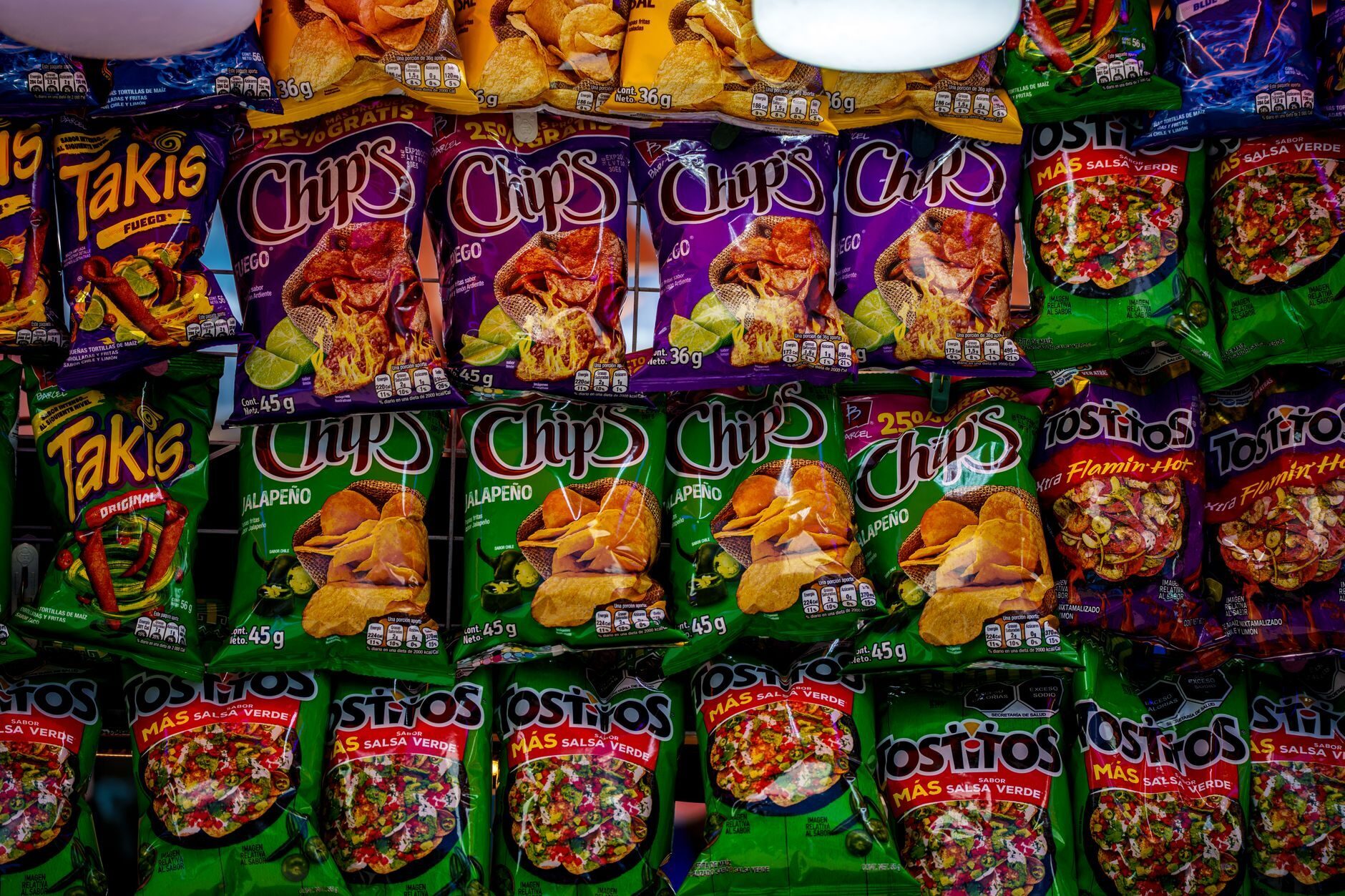
Sourcing zapps for businesses in Louisiana usually means buying by the case (24 to 30 bags of 1.5 oz per case, or larger multipacks for the 4.75 oz retail bags), with wholesale pricing that typically runs 20-40% below single-bag retail. Zapp’s Potato Chips are kettle-cooked in Gramercy, Louisiana, and the flavors that move fastest for foodservice are Voodoo, Cajun Crawtator, and Spicy Cajun Crawtator. Below is the practical, numbers-first guide for restaurants, convenience stores, caterers, and gift-basket sellers who want to stock these chips the right way.
Why zapps for businesses matter in Louisiana
Buying zapps for businesses is not just about snacks — it’s about signaling authenticity. In Acadiana and across South Louisiana, a plate lunch or po’boy served with a bag of Zapp’s Voodoo or Cajun Crawtator tells the customer you source local. For convenience stores along I-10 and I-49, these chips are a proven impulse buy that travelers specifically look for as a Louisiana keepsake.
Zapp’s has been kettle-frying chips since 1985, and the brand carries genuine regional weight that generic national chips cannot match. That heritage translates into repeat purchases: a customer who tries Voodoo at your counter often comes back for it. For any food business trying to lean into Cajun identity, stocking these chips is one of the cheapest, highest-margin ways to reinforce that promise. According to Zapp’s official site, the chips are still made in small kettle batches in Gramercy, which is the story your customers respond to.
What flavors should a business stock first?
Start with the three flavors that carry the Cajun identity: Voodoo, Cajun Crawtator, and Spicy Cajun Crawtator. These are the SKUs travelers and locals request by name, and they differentiate you from any store selling only national brands.
The core lineup
- Voodoo — sweet-and-tangy with a hint of heat; the flagship and top seller.
- Cajun Crawtator — the original Cajun-seasoned kettle chip, medium heat.
- Spicy Cajun Crawtator — hotter version for the heat-seekers.
- Regular / Sea Salt — a neutral anchor for customers who don’t want spice.
- Mesquite BBQ & Sour Cream Creole Onion — reliable secondary movers.
How to split your first order
A sensible first case split for a small store or restaurant is roughly 40% Voodoo, 25% Cajun Crawtator, 15% Spicy Crawtator, and 20% split among Regular, BBQ, and other flavors. Adjust after two or three reorders based on what actually sells. Don’t over-diversify early — a wall of ten flavors that each sell one bag a week is worse than three flavors that sell out.
How much do zapps for businesses cost wholesale?
Wholesale pricing for zapps for businesses generally lands between $0.65 and $1.10 per 1.5 oz single-serve bag when bought by the case, versus $1.25-$1.75 at single-bag retail. Larger 4.75 oz share bags run higher per unit but carry stronger shelf margins.
Typical case math
- Single-serve 1.5 oz: 24-30 bags per case; expect roughly $18-$30 per case at wholesale.
- Retail 4.75 oz: 9-12 bags per case; higher per-unit but a common grocery shelf size.
- Freight: LTL or parcel shipping adds cost; chips are light but bulky, so pallet quantities lower the per-bag freight substantially.
Margins vary by channel. A convenience store marking a $0.90 single-serve bag up to $1.99 clears more than 50% margin. A restaurant bundling a bag into a $12 plate lunch treats it as a low-cost differentiator rather than a profit line. For current distributor terms, the Utz / Zapp’s brand portfolio lists the parent company that manages national distribution.
Can restaurants and caterers buy in bulk?
Yes. Restaurants, caterers, and food trucks routinely buy zapps for businesses in single-serve cases so each plate or box gets its own sealed bag. Single-serve 1.5 oz bags are the standard foodservice format because they hold portion control and preserve freshness.
Best formats by use case
- Plate lunches & po’boys: 1.5 oz single-serve, one per plate.
- Catering & boxed lunches: 1.5 oz single-serve, easy to pack.
- Event trays & tailgates: 4.75 oz or larger multipacks for shared bowls.
- Gift baskets: 1.5 oz variety packs mixing Voodoo and Crawtator.
Because the chips are kettle-cooked and sturdier than standard chips, they travel well and hold up in a boxed lunch better than thin-cut chips. That durability is why caterers along the Gulf Coast favor them for outdoor events.
Where can Louisiana businesses buy zapps in bulk?
Louisiana businesses can source zapps for businesses through regional grocery distributors, the Utz/Zapp’s foodservice network, and specialty Cajun retailers that carry them by the case alongside other Louisiana products. The right channel depends on your volume and whether you also want to stock complementary items.
Sourcing options
1. Foodservice distributors — best for high volume and pallet orders.
2. Cash-and-carry warehouses — good for small stores testing a few cases.
3. Specialty Cajun food retailers — convenient when you want chips plus boudin, cracklins, or sausage in one order.
In Scott, Louisiana, The Best Stop carries authentic Cajun products including Zapp’s chips alongside its boudin, smoked sausage, and cracklins, which makes it a practical single stop for a business building a Louisiana-themed product mix.
Why do competitors rank for zapps and what should you look for?
Many snack and gift sites rank for zapps because they publish deep, shoppable product pages with clear flavor breakdowns, case quantities, and pricing — not thin listings. When you evaluate a supplier, look for that same depth of information.
What a strong supplier page shows you
- Exact case counts and bag sizes, not vague “bulk available.”
- Real flavor availability and stock status.
- Shipping and freight terms stated up front.
- Bundling with other authentic Louisiana products.
The difference between a supplier that simply lists chips and one that actually helps you stock is whether they understand foodservice. A business ordering for resale needs consistency, freshness dating, and reliable reorders. A source rooted in Louisiana’s Cajun food trade understands the seasonal spikes — festival season, Mardi Gras, tailgating — that drive chip demand, and can pair the chips with boudin and sausage for a complete regional product line rather than treating them as a standalone SKU.
How should stores merchandise Zapp’s for maximum sales?
Merchandise zapps for businesses at eye level near the register and pair them with related Cajun items to trigger the impulse buy. Placement drives more single-serve chip sales than any discount does.
Merchandising tactics
- Place single-serve bags in a counter basket by the register.
- Cross-merchandise near po’boys, boudin, and cold drinks.
- Lead the shelf with Voodoo — it’s the recognition SKU.
- Use a small “Made in Louisiana” sign; provenance sells.
For tourists, the Louisiana angle is the entire pitch — they are buying a taste of the trip home. For locals, it’s habit and preference. Rotate stock so nothing sits past its freshness window, and track which flavor empties fastest so your reorders match real demand. A tidy, well-labeled chip display near authentic prepared foods consistently outperforms chips buried on a back aisle.
Frequently asked questions about buying zapps for businesses
Below are the questions Louisiana food businesses ask most often before placing a first wholesale order.
Do Zapp’s chips ship well for online or mail orders?
Yes. Kettle-cooked chips are sturdier than standard chips, and sellers regularly include them in shipped gift boxes with boudin and sausage. Pack them on top so they aren’t crushed under heavier items.
What is the shelf life?
Expect roughly 3-4 months from production for peak crunch; always check the printed date and rotate first-in-first-out.
Are there gluten or allergen concerns?
Many Zapp’s varieties are gluten-free, but seasonings vary by flavor. Always confirm current allergen labeling on each bag before serving customers with dietary needs.
Buying smart — right flavors, right formats, reliable supplier — turns a small chip order into a steady, high-margin part of your Louisiana food offering.