The carnivore diet in Louisiana works remarkably well because Acadiana already builds its food culture around meat. On a strict carnivore plan you eat animal foods only — beef, pork, poultry, seafood, eggs, and animal fats — with zero or near-zero carbohydrates. The catch: many classic Cajun products contain rice, sugar, and fillers. This guide names exactly which Louisiana meats fit, which to skip, and how to shop smart.
Below is the definitive, no-fluff resource for anyone following a carnivore or low-carb lifestyle in South Louisiana, whether you live in Scott, Lafayette, Baton Rouge, or you’re ordering Cajun meats by mail from out of state.
What is the carnivore diet, and why does Louisiana make it easy?
The carnivore diet is an all-animal-food eating plan: you consume meat, fish, eggs, and animal fats, and you eliminate plants, grains, sugar, and processed carbohydrates. Proponents follow it for weight management, blood-sugar control, and simplicity. The carnivore diet in Louisiana is easier than in most places because the regional cuisine is built on smoked, fresh, and slow-cooked meats.
Acadiana pork and beef traditions — smoked sausage, tasso, cracklins, andouille — predate the modern diet trend by centuries. The challenge is that Cajun cooks historically stretched meat with rice, roux, and sugar-based glazes. So a carnivore eater has to read labels and ask questions.
For a research overview of low-carbohydrate and animal-based eating, the Harvard T.H. Chan School of Public Health offers a balanced summary. The good news for Louisiana residents: your local specialty meat market already stocks most of what a strict carnivore plan requires — you just need to know which items are clean.
Which Cajun meats are carnivore-friendly?
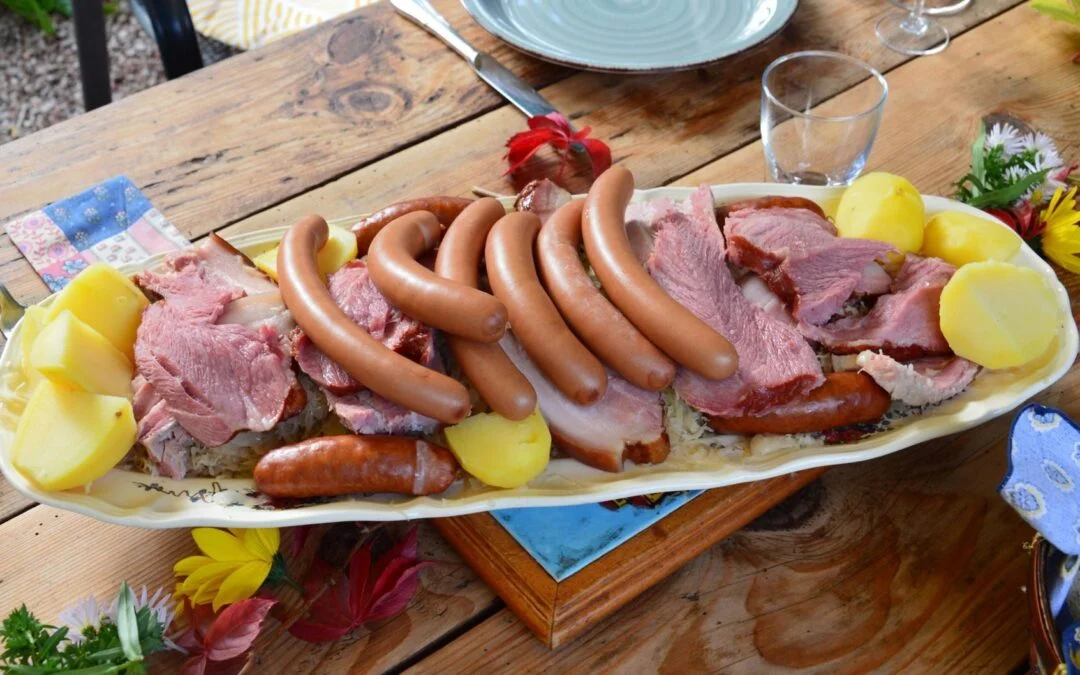
The most carnivore-friendly Cajun meats are cracklins, smoked pork sausage without fillers, tasso, andouille, fresh pork, and beef cuts. These are the core of an animal-based Louisiana plate.
The safe list
- Cracklins (gratons): fried pork belly and skin — essentially pure pork and fat, zero carbs when cooked plain.
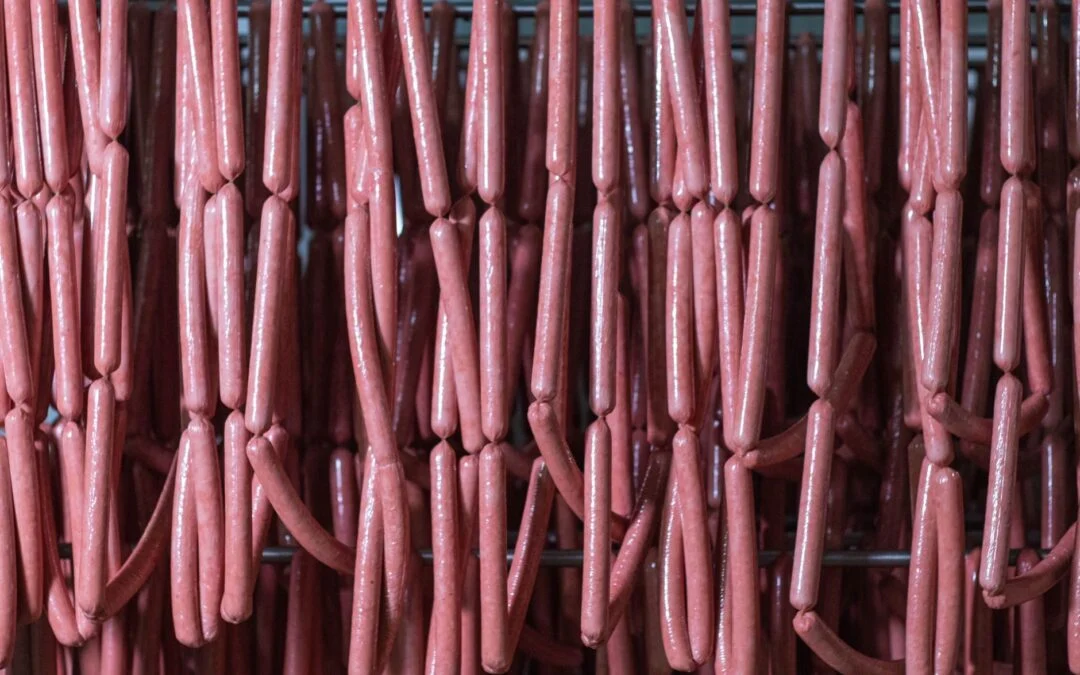
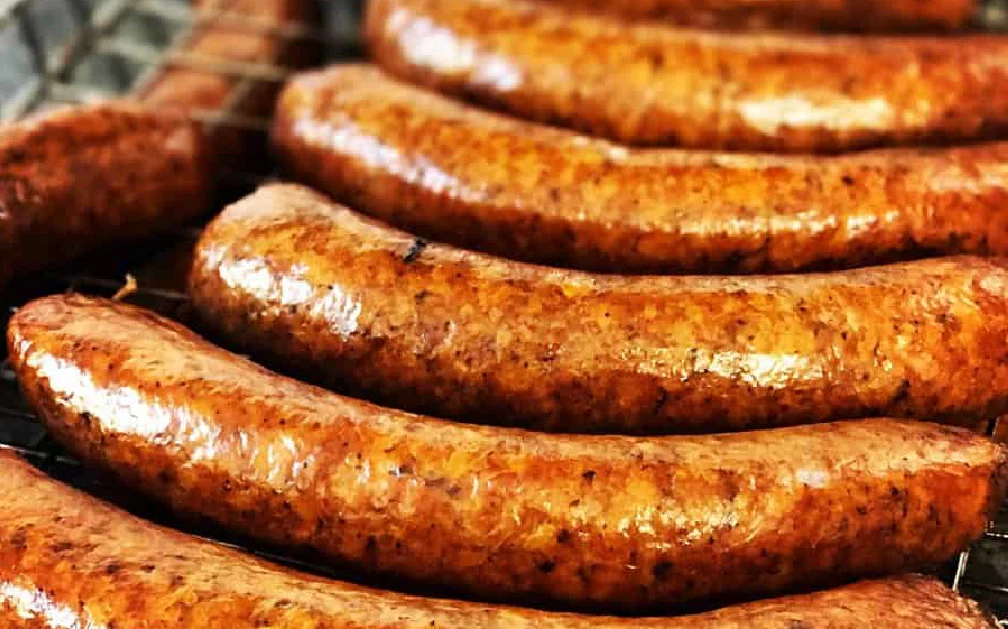
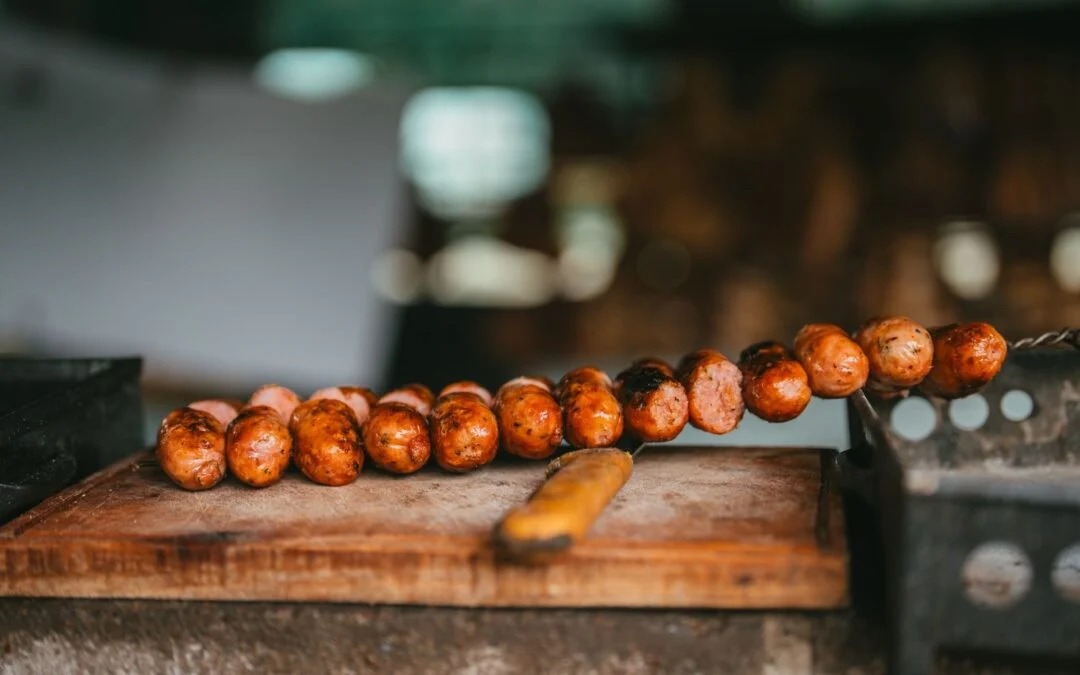
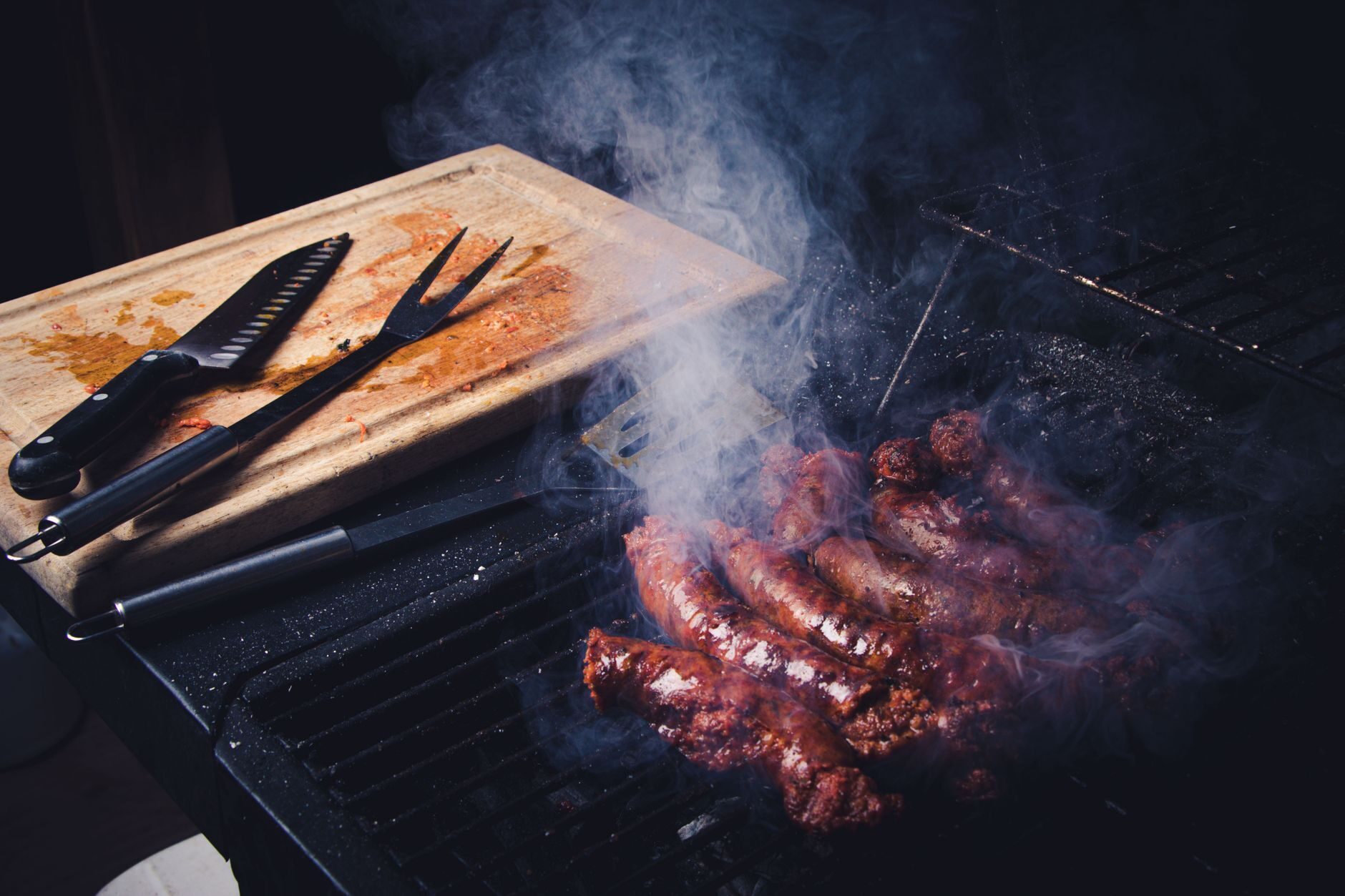
- Smoked sausage: many Cajun links are pork, salt, and spice with no sugar or binder — confirm the label.
- Tasso: cured, smoked pork shoulder; a carnivore seasoning powerhouse.
- Andouille: coarse-ground smoked pork; watch for added sugar in some brands.
- Fresh pork and beef: roasts, chops, ground meat, ribs.
The read-the-label list
- Boudin: traditional boudin contains cooked rice, so classic boudin is not carnivore. Some makers offer rice-free or pork-heavy versions.
- Plate lunches: gravies and dressings often hide flour and sugar.
When a product’s only ingredients are meat, fat, salt, and spice, it fits. Anything listing rice, sugar, corn syrup, or dextrose does not.
Is boudin allowed on the carnivore diet in Louisiana?
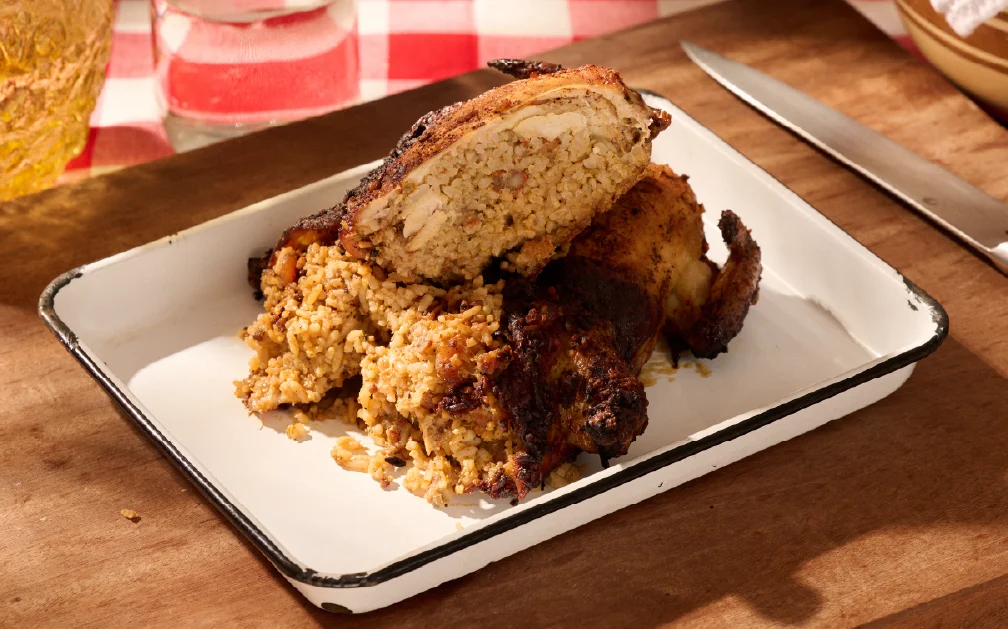
Traditional boudin is not carnivore-friendly because it contains cooked rice, which adds significant carbohydrates. A standard boudin link can carry 15-25 grams of carbs per serving — enough to break a strict carnivore or keto plan.
That doesn’t mean boudin is off the table for everyone. Louisiana eaters following the carnivore diet have a few options:
Ways to enjoy boudin flavor without the rice
- Boudin balls minus rice: ask if a maker offers a high-meat, low-rice recipe.
- Boudin-stuffed pork: the seasoned pork filling itself, without the rice binder, hits the flavor notes.
- Portion control: a low-carb (not strict carnivore) eater might allow a small amount occasionally.
The honest answer is: if you are doing zero-carb carnivore, skip traditional boudin and lean on smoked sausage, cracklins, and tasso instead. If you are simply low-carb, an occasional boudin link may fit your daily budget. Always check the actual ingredient list, because rice content and seasoning sugars vary widely between producers across Acadiana.
How much protein and fat do these Cajun meats deliver?
Cajun smoked and fresh meats are dense in protein and fat, which is exactly what a carnivore diet requires. A typical carnivore eater targets 1 to 1.5 grams of protein per pound of body weight, with fat filling most remaining calories.
Approximate macros per 3.5 oz (100g)
- Cracklins: ~20g protein, 40g+ fat, 0g carbs — a fat-forward snack.
- Smoked pork sausage: ~15g protein, 30g fat, 0-1g carbs.
- Tasso: ~22g protein, 10g fat, near-zero carbs.
- Andouille: ~14g protein, 20g fat, 1-2g carbs.
- Beef roast: ~26g protein, 15g fat, 0g carbs.
These numbers make Louisiana meats efficient fuel: high satiety, no sugar spikes. For general protein guidance, the USDA FoodData Central database lets you verify nutrition for specific cuts. Because Cajun sausage recipes differ by maker, the fat ratio can swing — fattier links mean easier energy on a strict carnivore plan, leaner ones suit a higher-protein approach.
Why do so many people search for Louisiana carnivore meat sources?
Search demand for the carnivore diet in Louisiana has grown because animal-based eating went mainstream while South Louisiana already produced ideal foods for it. People want authentic, additive-free meats — not mass-produced supermarket links loaded with fillers.
Many national brands stretch sausage with soy, corn syrup solids, and binders. Committed carnivore eaters specifically seek small-batch, traditionally smoked Cajun products where the ingredient list is short. That’s the gap: shoppers are looking for clean, high-fat, protein-dense meats from a source that understands the food, not a generic grocery brand.
This is also why out-of-state carnivore followers order Cajun meats online. A dieter in Texas or Florida can’t find real tasso or authentic cracklins locally, so they ship from Louisiana producers. The combination of clean ingredients, regional smoking traditions, and nationwide shipping makes Acadiana a natural supplier for animal-based eaters everywhere — a demand most competitor food sites haven’t addressed with a dedicated, honest guide.
Which authentic Cajun producer serves carnivore shoppers?
Several Louisiana specialty markets carry additive-free smoked meats, and one long-standing option is The Best Stop in Scott, a family-owned Cajun meat market operating since 1986 that offers smoked sausage, cracklins, tasso, and andouille with nationwide shipping.
What matters for a carnivore shopper is not the brand story but the ingredient discipline: look for products where the label reads pork or beef, salt, and spice. When comparing sources, competitors often win search rankings by publishing deep, shoppable catalog pages — but many never clarify which of their products actually fit a zero-carb plan. That’s the practical advantage of buying from a maker that lists real ingredients and produces fresh daily rather than shipping pre-packaged, filler-heavy links.
For a carnivore eater, the smart move is to build a standing order of the clean staples — smoked sausage, cracklins, and tasso — and treat rice-based items like boudin as a separate, non-carnivore purchase for family members who eat carbs.
How do you build a weekly carnivore meal plan with Cajun meats?
A weekly carnivore meal plan built on Cajun meats rotates smoked sausage, fresh pork, beef, eggs, and seafood so you never get bored. The key is variety in cut and cooking method, not variety in food group.
A sample carnivore week
1. Monday: eggs and cracklins for breakfast; grilled smoked sausage for dinner.
2. Tuesday: beef roast; pan-seared tasso.
3. Wednesday: pork chops; boiled shrimp (no breading).
4. Thursday: andouille (check carbs); ribeye.
5. Friday: ground beef patties; fried eggs cooked in tallow.
6. Weekend: slow-smoked pork shoulder; a big cracklins snack.
Cook everything in animal fat — tallow, lard, or rendered cracklin fat — to keep it strictly carnivore. Salt generously; electrolytes matter on a zero-carb plan. The Cleveland Clinic recommends monitoring how you feel and consulting a doctor before major diet changes. Cajun smoked meats make this plan flavorful without any sugar-based seasoning, which is exactly why South Louisiana ingredients suit the diet so well.
What should you avoid when shopping for carnivore meats in Louisiana?
Avoid any Cajun product listing rice, sugar, corn syrup, dextrose, soy, or wheat binders — these disqualify a food from a strict carnivore diet. In Louisiana specifically, the biggest traps are boudin (rice), sweet glazes on sausage, and gravy-based plate lunches thickened with roux.
Red-flag ingredients to scan for
- Rice or rice flour (boudin, dressing).
- Sugar, brown sugar, cane syrup (glazed or sweet sausage).
- Corn syrup solids and dextrose (mass-market links).
- Soy protein, textured vegetable protein (fillers).
- Wheat, flour, breadcrumbs (breaded seafood, meatballs).
Also be cautious with restaurant plate lunches: the meat may be fine, but the accompanying rice, gravy, and cornbread are not. When in doubt, buy raw or plainly smoked products and season at home with pure salt and spice. The cleanest carnivore shopping strategy in Louisiana is to stick with single-ingredient meats and simply smoked sausage from a producer who can tell you exactly what’s in the mix — no guessing, no hidden carbs.