The classic New Orleans hurricane drink costs a Louisiana business roughly $1.10 to $1.80 per serving to make and typically sells for $9 to $14, giving a gross margin of 80% or more. It is a two-rum, passion-fruit-forward cocktail served over crushed ice in a curvy 26-ounce hurricane glass. For any Louisiana bar, restaurant, festival booth, or catered event, it is one of the highest-margin, most requested drinks you can put on a menu — and pairing it with authentic Cajun food is where the real revenue lives.
This guide covers the recipe, batch scaling, cost math, and the food pairings that turn a single hurricane drink into a full-ticket sale.
What is a hurricane drink and why does it matter for Louisiana businesses?
The hurricane drink is a rum-based cocktail invented at Pat O’Brien’s in New Orleans in the 1940s, when a rum surplus forced bar owners to move product creatively. It combines light and dark rum with passion fruit syrup, lemon or lime juice, and often orange juice and grenadine, served in a tall, lamp-shaped glass.
For a Louisiana business, it matters for three reasons. First, tourist demand: visitors expect the drink on any authentic menu, so its absence costs you sales. Second, margin: at roughly $1.50 in ingredients against a $12 price, few menu items perform better. Third, batching: unlike a shaken craft cocktail, a hurricane scales cleanly into pitchers and dispensers for high-volume service.
According to the Southern Foodways Alliance, rum cocktails like the hurricane are woven into Louisiana’s hospitality identity. That cultural weight means the drink sells itself — the operator’s job is sourcing quality ingredients and pairing it with food that keeps the ticket growing.
What is the classic hurricane drink recipe?
The classic hurricane drink recipe uses equal parts light rum and dark rum with passion-fruit-forward juice. Here is the standard single-serving build most Louisiana bars use.
Single-serving hurricane
- 2 oz light rum
- 2 oz dark rum
- 2 oz passion fruit syrup (or passion fruit puree)
- 1 oz fresh lime juice
- 1 oz orange juice
- 1 tsp grenadine
- Crushed ice; orange slice and cherry garnish
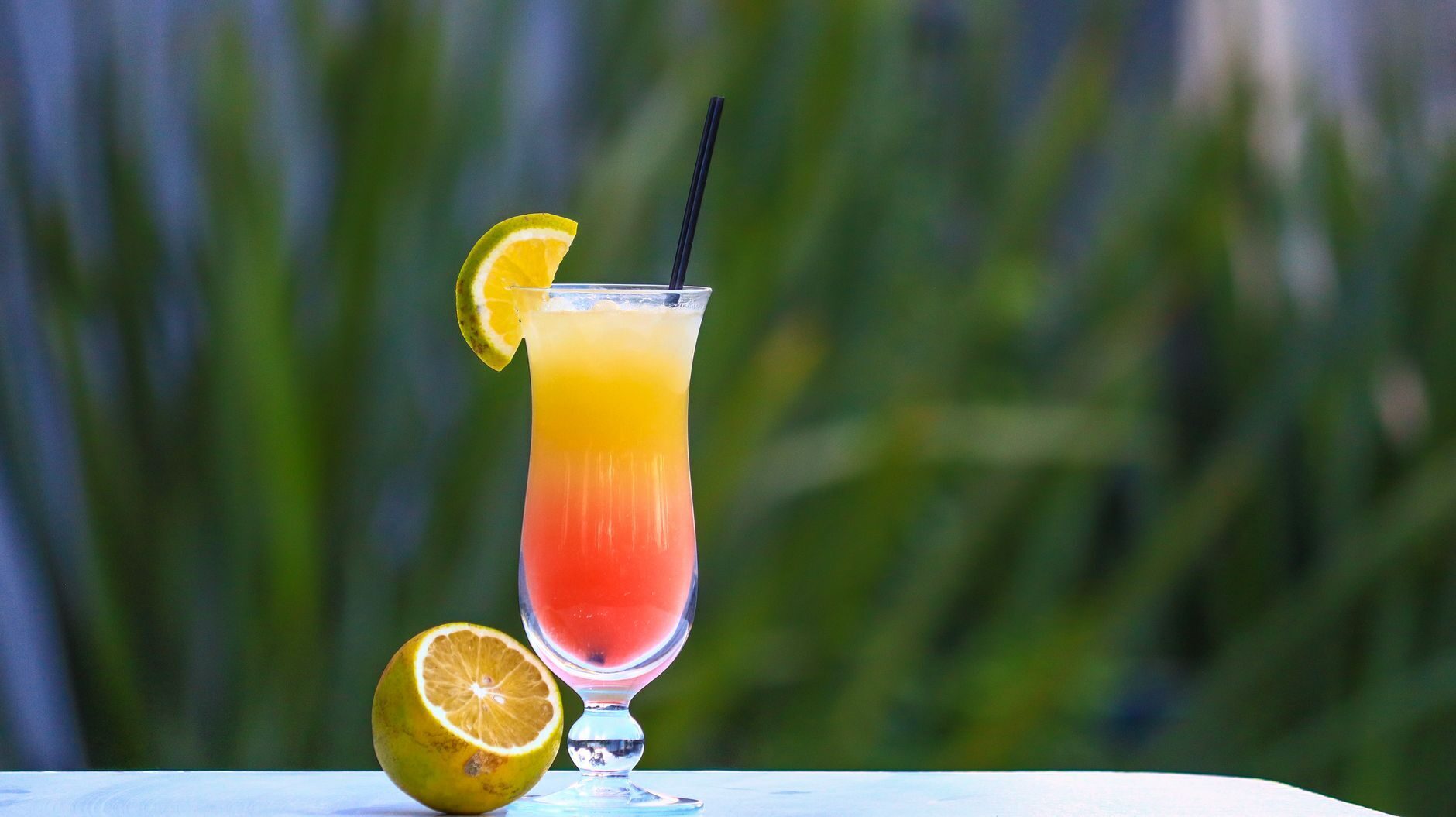
Combine everything except grenadine, shake or stir, pour over crushed ice, then float the grenadine so it sinks and creates the sunset gradient. Garnish and serve with a straw.
Common variations
- Frozen hurricane: blend the same ratios with ice for festival and patio service.
- New Orleans hurricane mix: many bars use a commercial passion fruit mix to guarantee consistency across shifts.
- Lower-proof version: cut each rum to 1.5 oz for events serving all day.
The International Bartenders Association does not list the hurricane as an official cocktail, which is why recipes vary widely — treat the ratios above as a reliable house standard, then tune sweetness to your crowd.
How much does a hurricane drink cost to make and sell?
A hurricane drink costs a Louisiana business about $1.10 to $1.80 per serving in ingredients and sells for $9 to $14, depending on your market.
Cost breakdown per serving
- Light and dark rum (4 oz well rum): $0.90–$1.30
- Passion fruit syrup/mix (2 oz): $0.20–$0.35
- Juices and grenadine: $0.10–$0.20
- Garnish and straw: $0.05–$0.15
That puts total cost around $1.25–$2.00 including garnish, against a typical $12 sale price. Your pour cost lands near 12–16%, well below the 20–22% many operators target for cocktails.
Pricing by venue type
- Neighborhood bar: $9–$10
- Tourist-district restaurant: $11–$14
- Festival booth (frozen, plastic cup): $10–$12
Margins improve further when you batch. Buying rum by the 1.75L handle and passion fruit mix by the gallon can shave 15–20% off ingredient cost versus single-bottle buying.
How do you batch a hurricane drink for high-volume service?
To batch a hurricane drink, pre-mix everything except the ice and grenadine float, then chill and dispense — this is how festivals and catered Louisiana events serve hundreds per hour.
Batch ratio (makes ~20 servings)
- 40 oz light rum
- 40 oz dark rum
- 40 oz passion fruit syrup
- 20 oz fresh lime juice
- 20 oz orange juice
- Grenadine floated per glass at service
Mix in a labeled 5-gallon beverage dispenser or Cambro, refrigerate below 40°F, and keep it out of direct sun during outdoor events. Add ice at the point of pour, never to the batch, so you avoid dilution.
Food-safety notes
Because the mix contains fresh citrus, follow your local ServSafe guidance and hold prepared batches no longer than 24 hours. Frozen versions run through a slush machine hold longer but should still be dated and monitored. Batching turns a labor-heavy cocktail into a repeatable, consistent product your staff can serve fast without sacrificing quality.
What Cajun food pairs best with a hurricane drink?
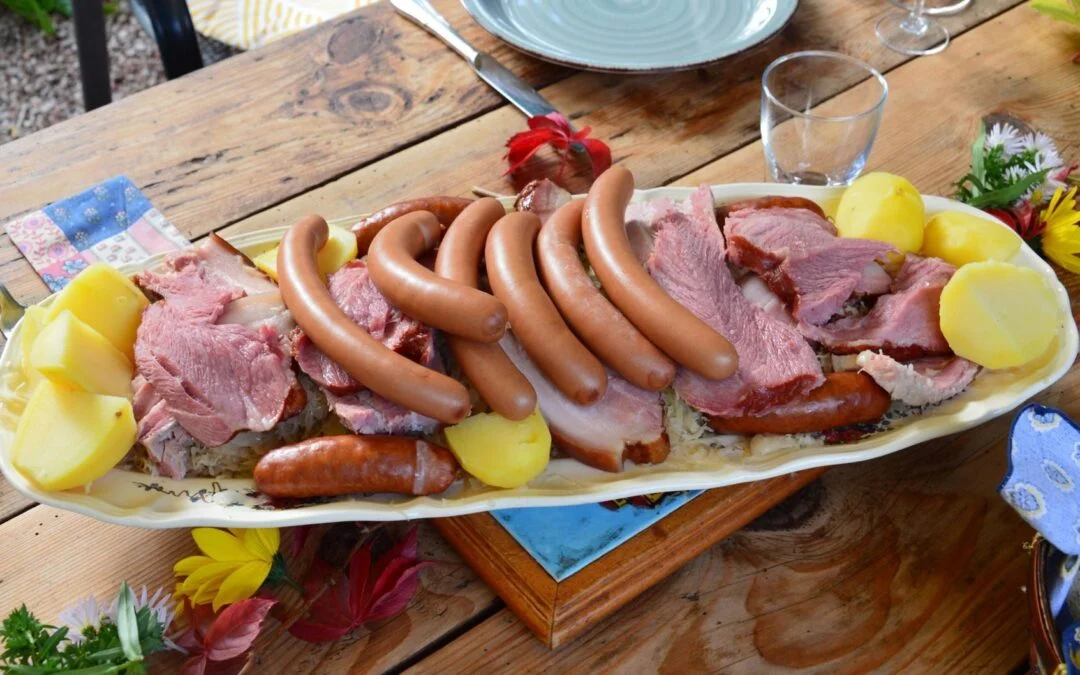
The best pairings for a hurricane drink are bold, smoky, and spicy Cajun foods that stand up to its tropical sweetness — boudin, cracklins, smoked sausage, and jambalaya lead the list.
Top pairings
- Boudin: the rice-and-pork richness balances the drink’s sweetness and citrus acidity.
- Cracklins: salty, crunchy fried pork skin plays perfectly against a cold, sweet cocktail.
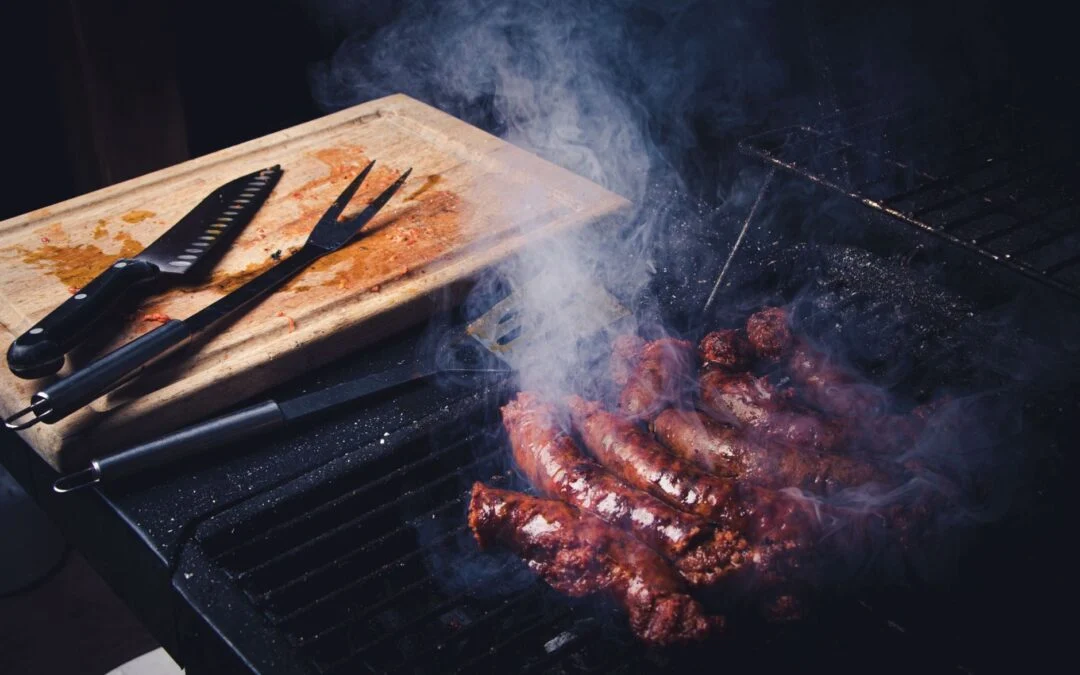
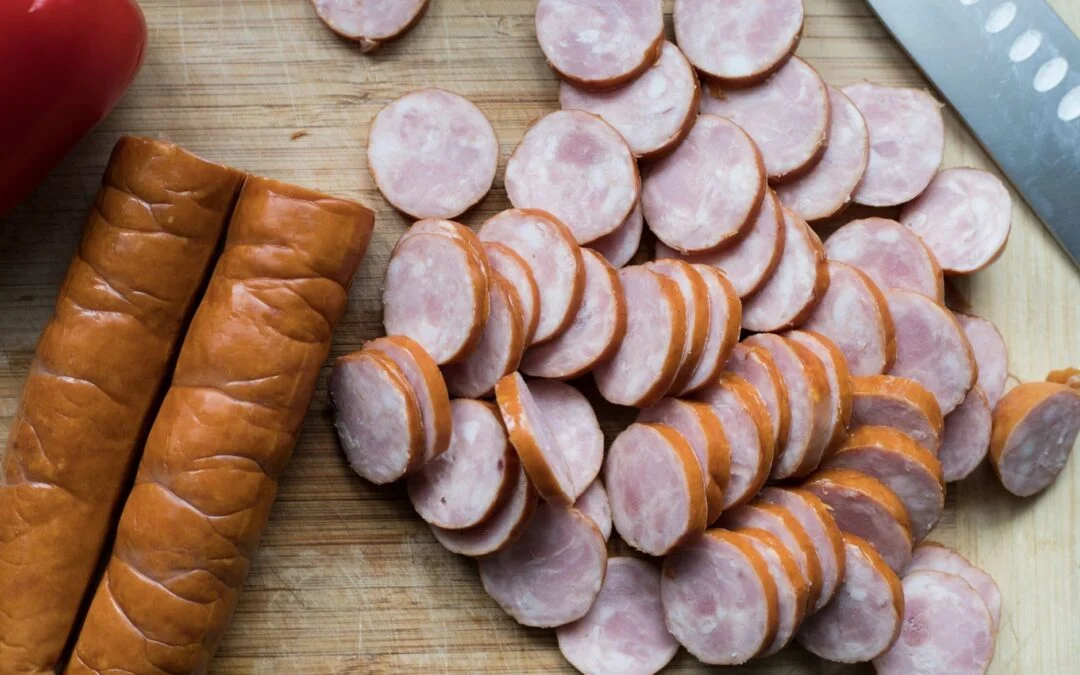
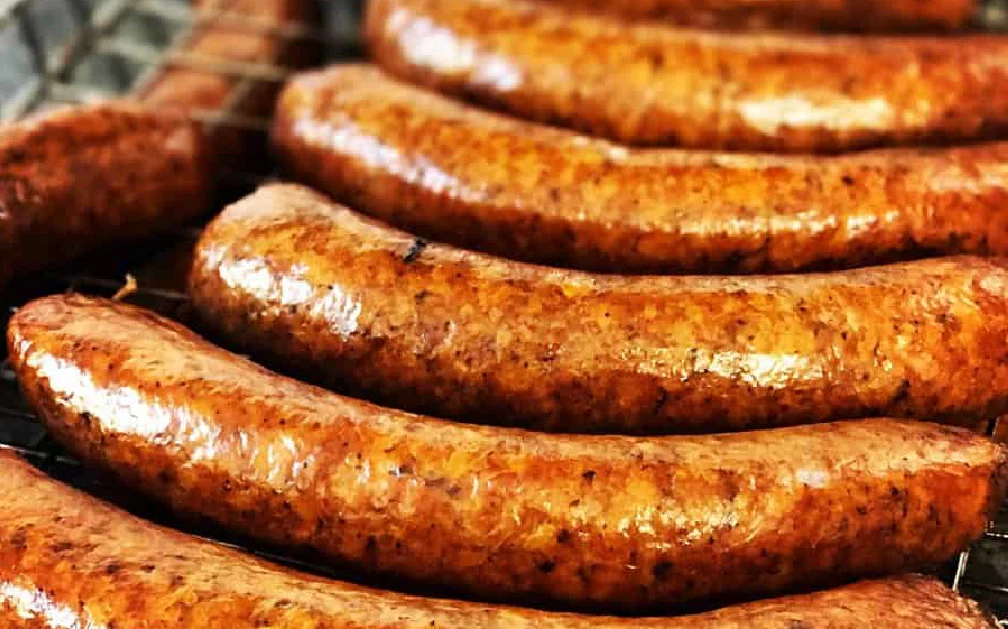
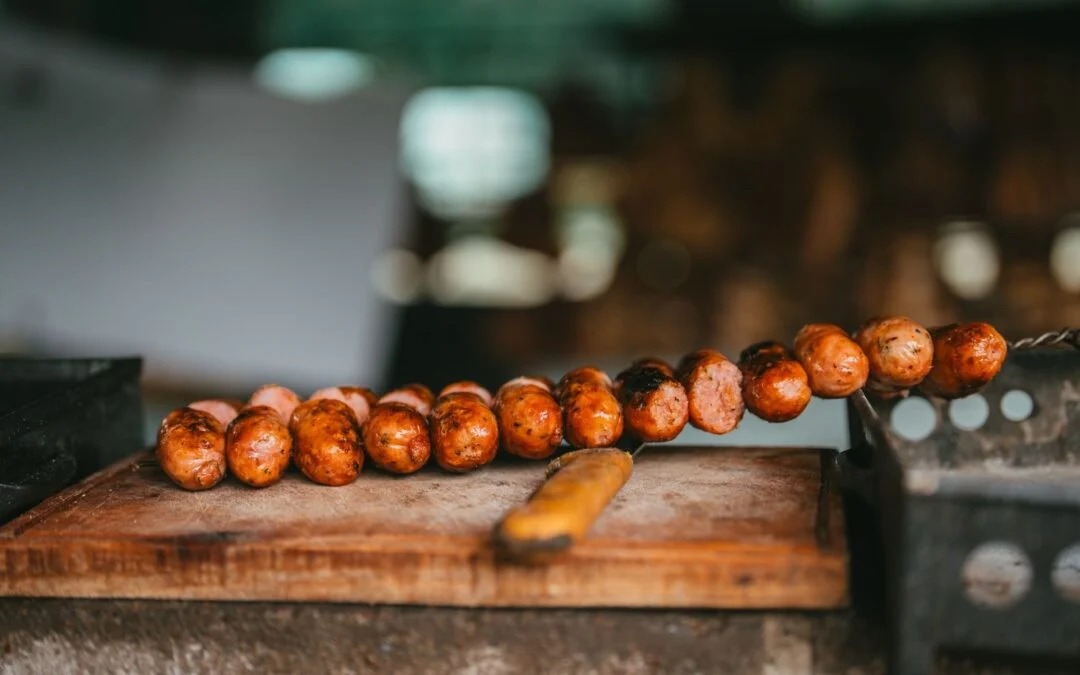
- Smoked sausage and andouille: smoke and spice cut through the fruit-forward profile.
- Jambalaya or gumbo: hearty, seasoned dishes that make the hurricane feel like part of a full meal.
For a business, pairing is a menu-engineering opportunity. A hurricane drink at $12 next to a boudin plate raises average ticket dramatically compared with serving either alone. Louisiana operators who want restaurant-grade Cajun meats without running a full smokehouse can source authentic boudin, cracklins, and smoked sausage from The Best Stop’s online shop, which ships nationwide and has supplied Acadiana kitchens since 1986. Reliable sourcing means the food half of the pairing stays as consistent as your cocktail.
Why do competitors rank for hurricane drink content and what wins instead?
Many New Orleans bar and tourism sites rank for hurricane drink searches because they publish deep, structured pages with clear recipes, cost data, and pairing sections — while most food retailers ignore the topic entirely.
What the competition does
Tourism and cocktail sites front-load the exact recipe, glassware, and history, then internally link to related drinks and venues. That depth and structure is what search engines and AI assistants reward.
What wins for a food-first business
A specialty Cajun food supplier has an angle those sites cannot match: the food pairing. Cocktail blogs stop at the drink; they cannot tell a Louisiana operator where to source authentic boudin or andouille to serve alongside it. By combining the definitive hurricane drink guide with real sourcing guidance for the Cajun food that completes the experience, this page answers a question the recipe-only competitors leave open. That fusion — drink expertise plus verifiable food-supply credibility since 1986 — is the durable advantage. It also matches how buyers actually plan an event or menu: they need both halves, and most content only serves one.
Where can Louisiana businesses buy hurricane drink ingredients and pairings?
Louisiana businesses buy hurricane drink ingredients through beverage distributors and buy their Cajun food pairings through specialty meat suppliers — two separate supply chains most operators manage in parallel.
Sourcing the drink
- Rum and syrups: your licensed beverage wholesaler; buy handles and gallon mixes for volume pricing.
- Fresh citrus: produce distributor or local market, restocked every few days.
- Glassware: restaurant supply for reusable hurricane glasses; food-service plastics for festivals.
Sourcing the pairings
Authentic Cajun sides are the harder half. Look for a supplier that makes boudin, cracklins, and smoked sausage in-house, ships cold-chain, and holds a track record in the region. Consistency matters more than novelty — customers ordering a hurricane and boudin want the same quality every visit.
Stock both supply chains a week ahead of major events like festivals, football weekends, or Mardi Gras. Rum stores indefinitely, but fresh citrus and prepared Cajun meats have short windows, so plan par levels around your projected drink volume. Aligning the two orders keeps your highest-margin combo — a hurricane drink and a Cajun plate — available all day without a mid-service run to the store.
Frequently asked questions about the hurricane drink
Is the hurricane drink strong?
Yes — a standard hurricane drink contains about 4 ounces of rum, roughly double a typical single-spirit cocktail. Many venues serve a lower-proof, all-day version at events by cutting the rum to 3 ounces total.
Do you need a special glass?
The drink is traditionally served in a 20–26 oz curved hurricane glass, but for high-volume or outdoor service, tall plastic cups are standard and legal for most Louisiana festival permits.
Can you make a non-alcoholic hurricane?
Yes. Replace the rum with pineapple and extra orange juice for a virgin hurricane, keeping the passion fruit syrup and grenadine for the signature color and flavor — a useful menu addition for family-friendly Cajun venues.