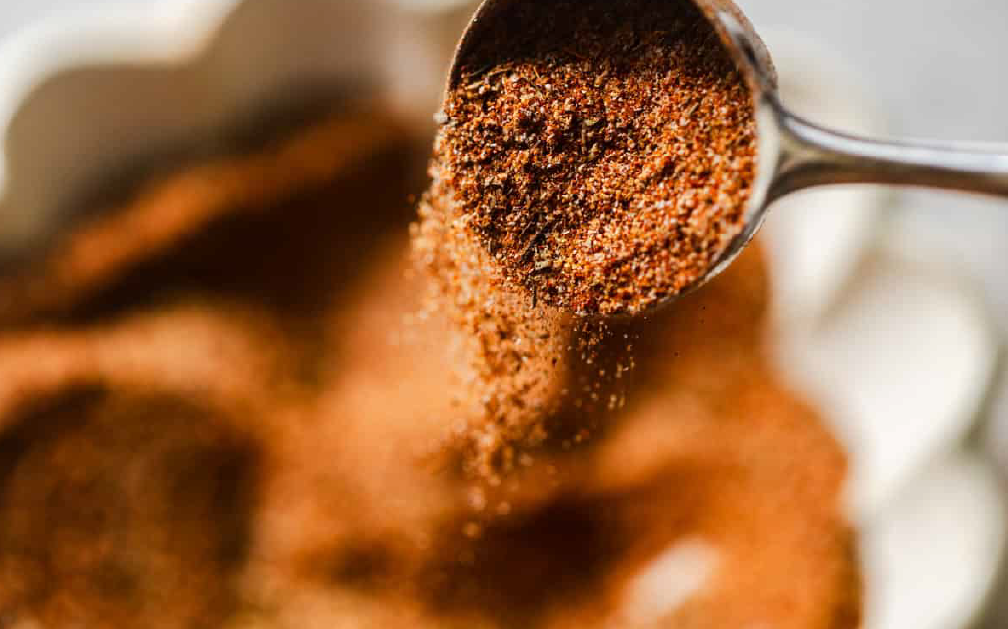
A good Cajun seasoning should bring more than heat.
It should be savory, aromatic, peppery, and just spicy enough to wake up whatever you’re cooking. That’s why making your own spicy Cajun seasoning can be useful: you control the balance.
Start with paprika, garlic, onion, black pepper, herbs, and cayenne, then adjust the cayenne and other peppers until the blend suits your heat preference.
The result is a versatile seasoning you can reach for when cooking chicken, pork, seafood, vegetables, potatoes, rice dishes, and plenty of other Louisiana-inspired favorites.
And when you don’t feel like mixing your spice cabinet one teaspoon at a time, there’s always Best Stop Cajun Seasoning.
What Is Cajun Seasoning?
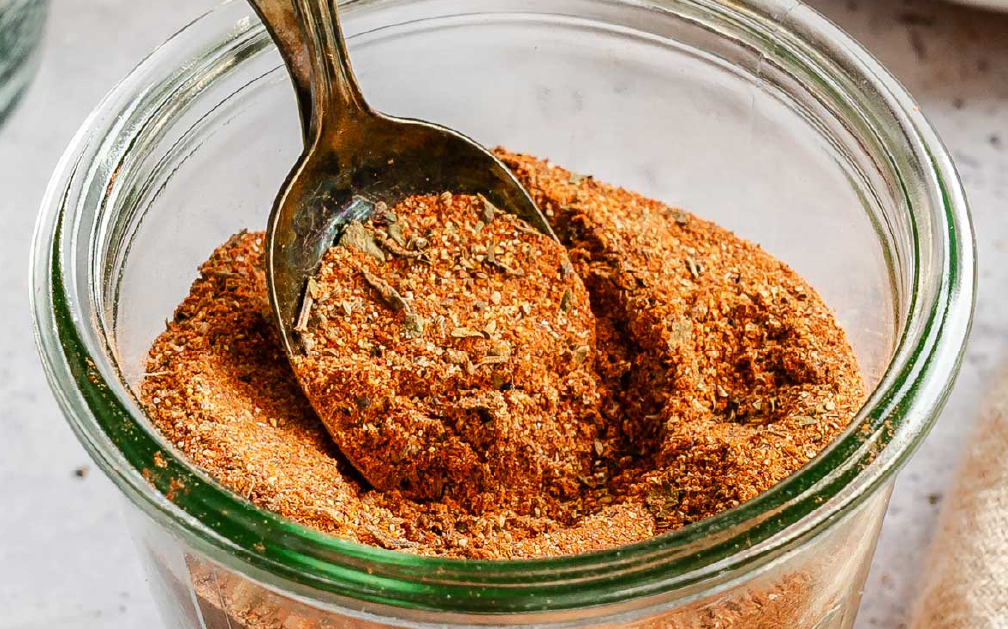
Image Source: https://coleycooks.com/cajun-seasoning/
There isn’t one universal formula for Cajun seasoning.
Cajun cooking developed in South Louisiana through generations of cooks using available ingredients, local food traditions, and techniques that became closely associated with Acadiana.
Louisiana’s official tourism website, Explore Louisiana, documents Cajun cuisine as an important part of the state’s culinary identity, with dishes and traditions strongly associated with Acadiana and South Louisiana.
Modern Cajun seasoning blends commonly bring together peppers, aromatics, herbs, and salt to create an all-purpose flavor profile.
Acadiana Table provides a closer look at those flavors in practice through George Graham’s collection of Louisiana recipes, where seasonings such as cayenne, black pepper, garlic, and herbs appear throughout Cajun cooking.
The important part is balance.
Spicy Cajun seasoning shouldn’t taste like cayenne alone. Heat should complement the other spices rather than overpower them.
What’s in Spicy Cajun Seasoning?
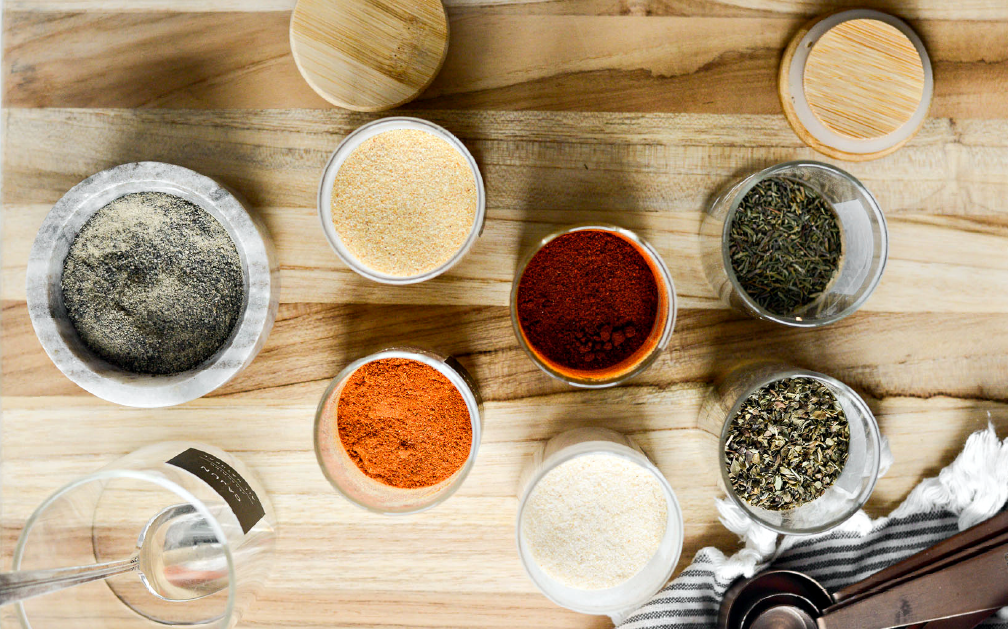
Image Source: https://www.simplyscratch.com/homemade-cajun-seasoning/
A homemade blend can be remarkably simple.
Spicy Cajun Seasoning Ingredients
- 2 tablespoons paprika
- 1 tablespoon garlic powder
- 1 tablespoon onion powder
- 2 teaspoons ground black pepper
- 2 teaspoons dried oregano
- 2 teaspoons dried thyme
- 1–2 teaspoons cayenne pepper
- 1 teaspoon salt
- ½ teaspoon crushed red pepper, optional
Combine all ingredients in a small bowl and whisk until evenly distributed.
Transfer the seasoning to a clean, dry, airtight spice container and store it in a cool, dry place away from direct heat and light.
This recipe is meant to be adjustable. Start with one teaspoon of cayenne if you want moderate heat. Increase it toward two teaspoons—or add crushed red pepper—if you prefer a hotter Cajun spice blend.
What Makes Cajun Seasoning Spicy?
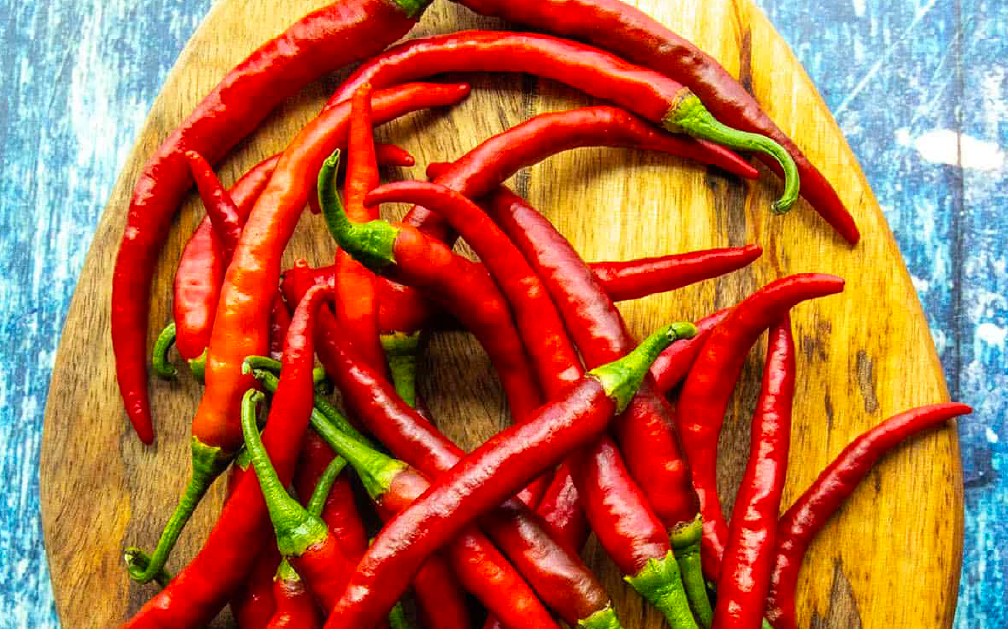
Image Source: https://www.chilipeppermadness.com/chili-pepper-types/medium-hot-chili-peppers/cayenne-chili-peppers/
Cayenne Pepper Brings the Heat
Cayenne is the primary heat source in this recipe.
According to USDA FoodData Central, cayenne and other spices can be found as individual food ingredients in the USDA’s food composition database. In practical cooking, cayenne is especially useful because a relatively small quantity can bring noticeable heat without adding liquid to a dish.
But more cayenne doesn’t automatically mean better Cajun seasoning.
The goal is to build layers.
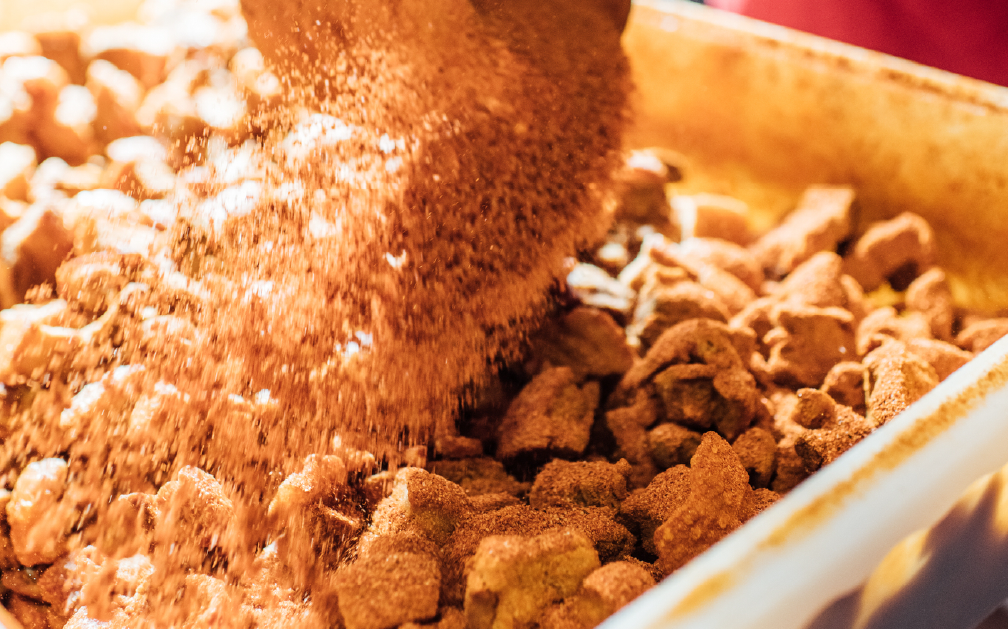
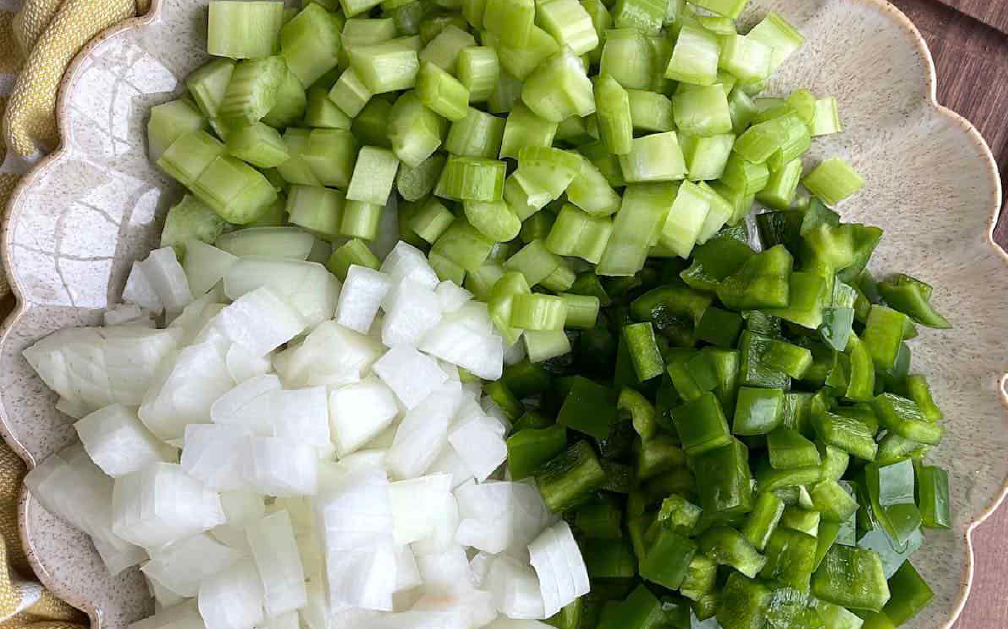
Paprika establishes the pepper base. Black pepper provides another kind of pungency, while garlic and onion add savory depth. Thyme and oregano contribute herbal notes.
Crushed red pepper can provide another layer of chile flavor and heat if you want the finished blend particularly bold.
Together, those ingredients create something more versatile than simply sprinkling cayenne over your food.
How to Control the Heat
The biggest advantage of homemade Cajun seasoning is customization.
Mild to Medium
Use about ½ to 1 teaspoon cayenne and skip the crushed red pepper.
You’ll still get pepper flavor, but the seasoning will be easier to use generously.
Spicy
Use 1 to 2 teaspoons of cayenne.
This range gives the blend a noticeable kick while allowing paprika, garlic, onion, and herbs to remain prominent.
Extra Spicy
Use 2 teaspoons of cayenne and add ½ teaspoon crushed red pepper.
You can always add heat to a finished dish, but you can’t easily take it away. When cooking for a group, starting with the milder blend and putting hot sauce or extra seasoning on the table gives everyone more control.
Why Paprika Matters
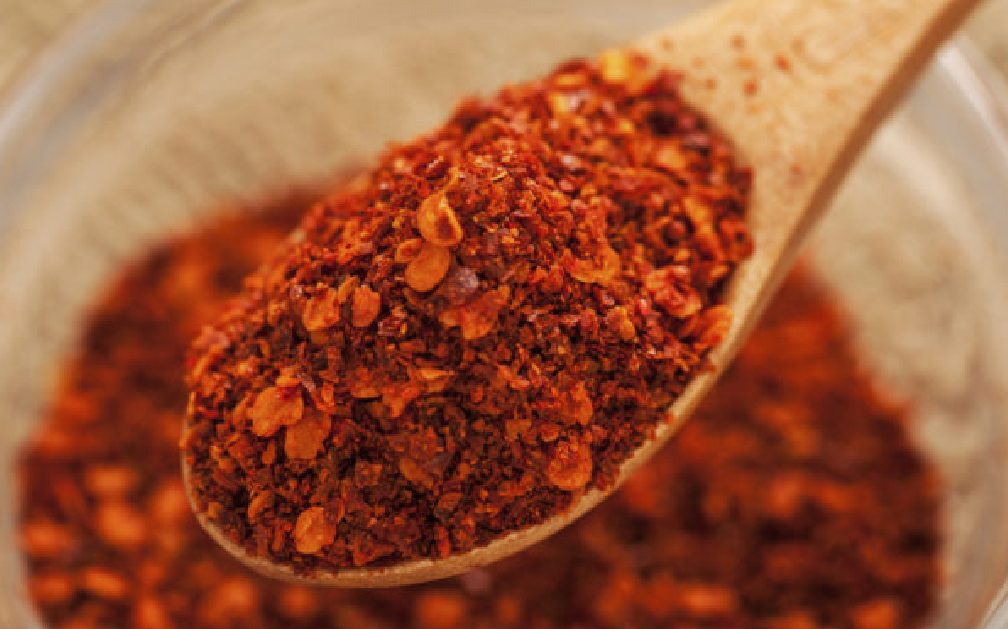
Image Source: https://www.drweil.com/diet-nutrition/cooking-cookware/cooking-with-spices-paprika/
Paprika isn’t just there for color.
It creates much of the pepper foundation of the blend without requiring the intensity you’d get from using the same amount of cayenne.
That distinction helps explain why the two peppers work well together. Paprika can provide color and pepper character while cayenne controls much of the heat.
Ingredient quality matters, too.
Serious Eats has extensively covered spices and cooking techniques, including the importance of how spices are stored and handled. Ground spices gradually lose aroma and flavor, so keeping your blend sealed and protected from heat and light helps preserve its character.
If that jar of paprika has been hiding above your stove for years, your spicy Cajun seasoning may not taste as lively as a blend made with fresher spices.
Herbs Give Cajun Seasoning More Depth
Cayenne may grab the attention, but oregano and thyme help round out the blend.
These dried herbs add aroma and complexity, particularly when the seasoning is used on meat, vegetables, or in slow-cooked dishes.
The LSU AgCenter provides research-based information about growing, preserving, and cooking with herbs and spices, making it a useful Louisiana resource for home cooks.
Herbs also demonstrate why Cajun seasoning shouldn’t be reduced to “something hot.”
Heat is only one component. A useful seasoning blend brings together pepper, savory aromatics, herbs, and salt in proportions that work across multiple dishes.
How to Use Spicy Cajun Seasoning
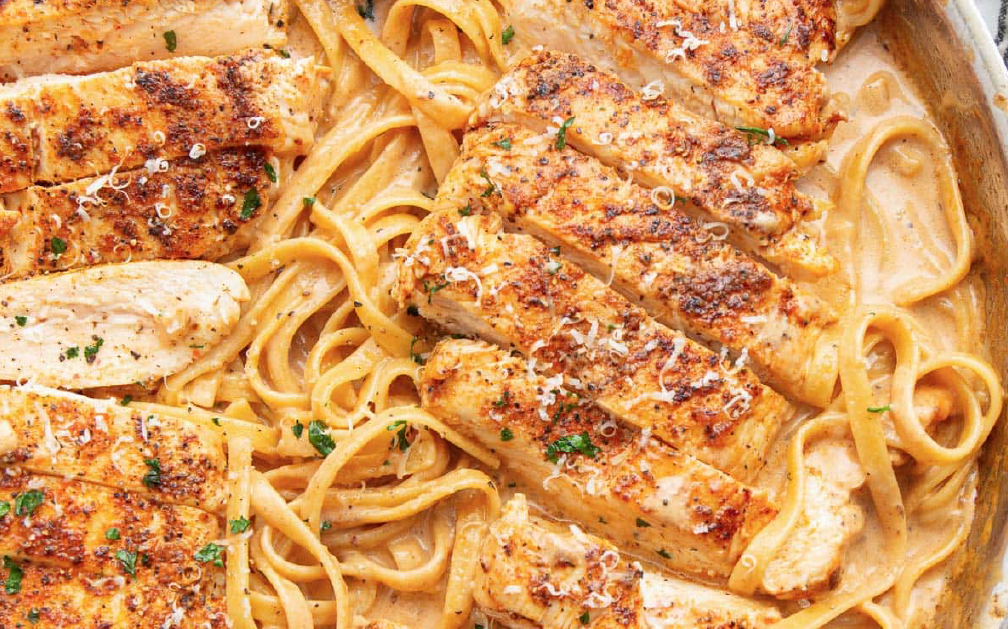
Image Source: https://thecookingjar.com/creamy-cajun-chicken-pasta/
Once you have a jar mixed, the real fun starts.
Season Chicken
Sprinkle Cajun seasoning over chicken before grilling, roasting, baking, or pan-cooking.
For an even easier Cajun dinner, explore The Best Stop Specialty Meats.
Add It to Pork
Pork and Cajun seasoning are natural partners. Use the blend on chops, tenderloin, roasts, other cuts before cooking.
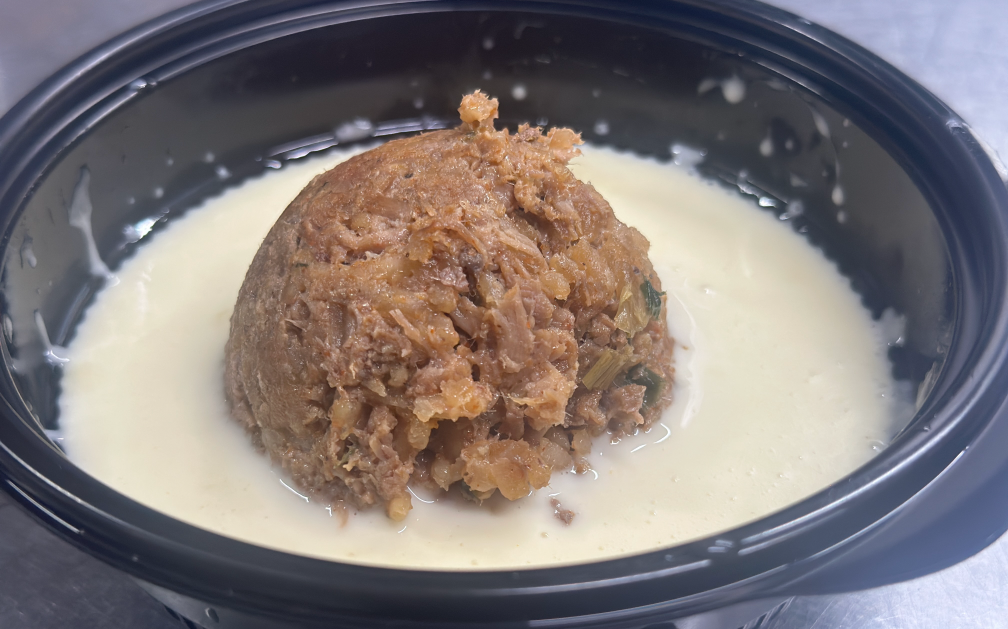
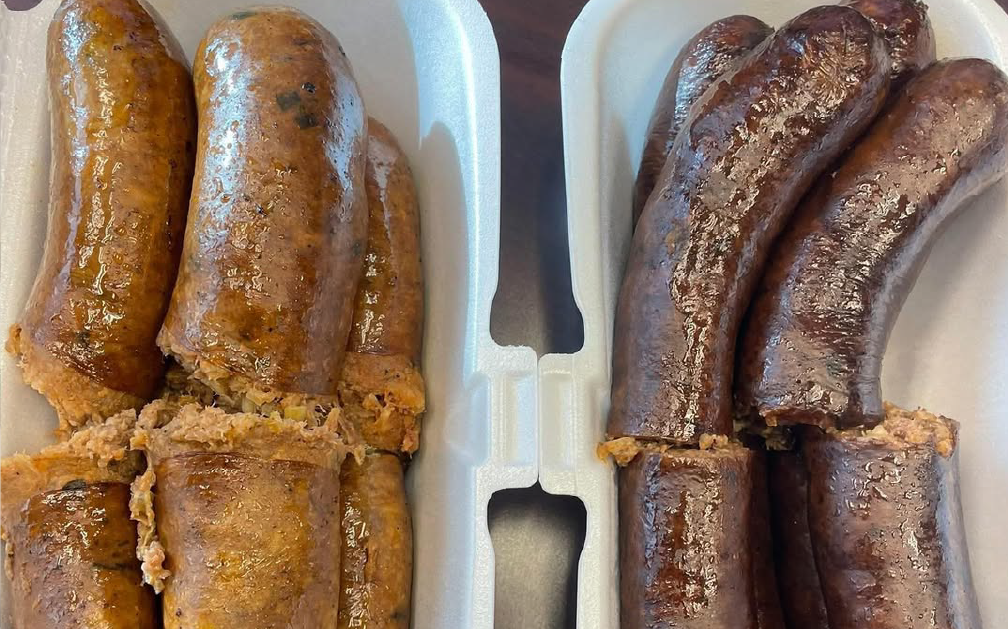
Pork also plays an important role in South Louisiana specialties such as boudin and sausage.
Season Seafood
Use a light coating on shrimp or fish before grilling, sautéing, or baking. Because seafood can have a more delicate flavor, start with less seasoning and add more as needed.
Wake Up Vegetables
Potatoes, corn, mushrooms, zucchini, onions, and other vegetables can all benefit from Cajun seasoning.
Toss vegetables lightly with oil and seasoning before roasting or grilling.
Add Flavor to Rice and Pasta
A small amount of seasoning can bring extra flavor to rice, creamy pasta, or one-pot meals.
For more ideas inspired by Louisiana cooking, browse The Best Stop Recipes.
Cajun Seasoning vs. Creole Seasoning: Is There a Difference?
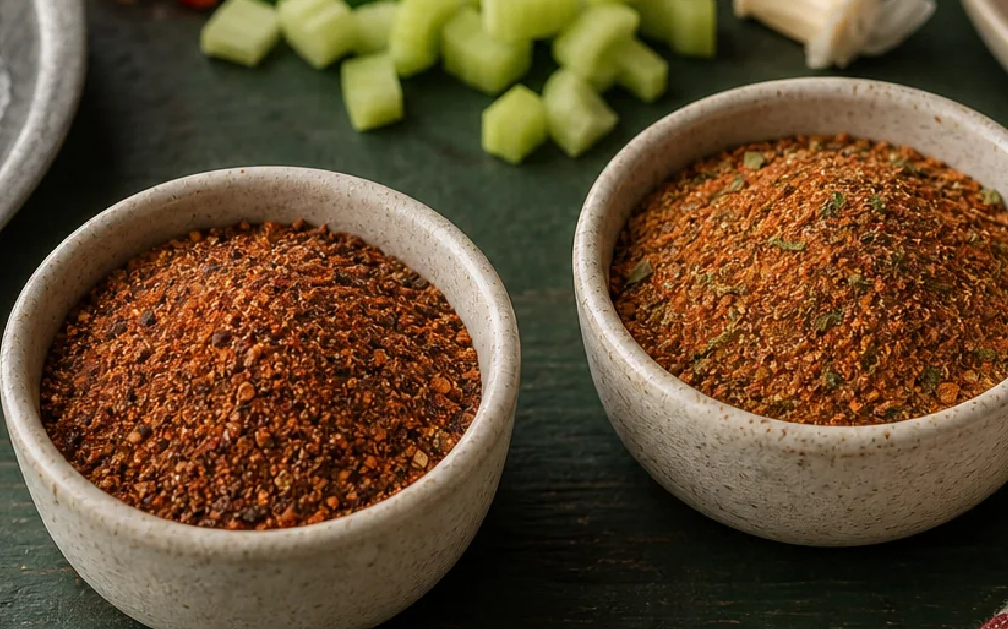
You’ll often see “Cajun” and “Creole” seasoning treated as interchangeable, but Louisiana’s culinary traditions are more nuanced than a spice-bottle label can convey.
Cajun and Creole cuisines have distinct histories and influences, even though they overlap in ingredients and techniques.
Louisiana Cookin’ documents both traditions through recipes and stories that show the breadth of Louisiana cooking rather than reducing either cuisine to a single ingredient list.
For a homemade seasoning, it’s more useful to focus on what you want the blend to accomplish than to claim one rigid formula is universally “authentic.”
If you want more heat, increase cayenne. If you want more herb character, adjust thyme and oregano. If you’re seasoning an already-salty ingredient, reduce the salt.
That’s the advantage of making the blend yourself.
When Homemade Isn’t the Plan
Sometimes you want to measure eight spices.
Sometimes dinner needs to happen.
For the second kind of night, an all-purpose blend such as Best Stop Cajun Seasoning keeps Cajun flavor within easy reach.
The Best Stop has been part of the Scott, Louisiana, food community since Robert Cormier and Lawrence Menard opened The Best Stop Supermarket in 1986. Today, the brand remains closely associated with boudin, cracklins, specialty meats, and Cajun flavors.
👉 Learn More About The Best Stop
Whether you mix a homemade seasoning or reach for a prepared blend, the same principle applies: season thoughtfully and taste as you cook.
Tips for Better Homemade Cajun Seasoning
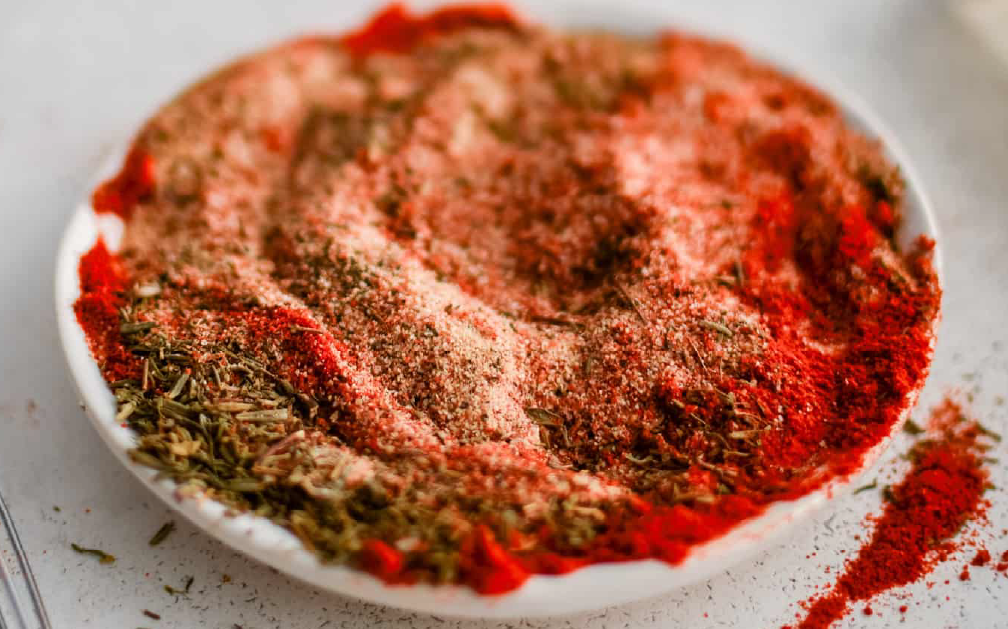
Image Source: https://theforkedspoon.com/cajun-seasoning/
A few simple habits can improve your spice blend.
Start with fresh spices. If a ground spice has little aroma when you open the container, it probably won’t contribute much to the finished seasoning.
Mix thoroughly. Cayenne and other finely ground ingredients should be evenly dispersed so one spoonful isn’t dramatically hotter than the next.
Adjust salt separately when needed. A lower-salt homemade blend gives you more control when seasoning foods that already contain sodium.
Label your container. Include the blend name and the date you made it.
Make a manageable batch. There’s little advantage to making a year’s supply if the spices lose aroma before you use them.
Most importantly, taste the food—not the recipe—to determine whether you’ve added enough.
TL;DR — Spicy Cajun Seasoning
- Homemade spicy Cajun seasoning lets you control both heat and salt.
- Paprika provides a pepper-forward base without the same intensity as cayenne.
- Cayenne is the primary heat source in this blend.
- Garlic powder and onion powder add savory flavor.
- Oregano and thyme provide herbal depth.
- Start with less cayenne and increase it when you want more heat.
- Use Cajun seasoning on chicken, pork, seafood, vegetables, potatoes, rice, and pasta.
- Store homemade seasoning in a clean, airtight container away from heat, moisture, and direct light.
- Cajun flavor is about more than heat; balance is what makes the seasoning versatile.
FAQs: Spicy Cajun Seasoning
What is spicy Cajun seasoning made of?
A typical homemade blend can include paprika, cayenne pepper, black pepper, garlic powder, onion powder, oregano, thyme, and salt. Recipes vary, so the proportions can be adjusted to suit your cooking.
How do you make Cajun seasoning hotter?
Increase the amount of cayenne pepper or add crushed red pepper. Make small adjustments and taste as you go because it’s much easier to add heat than reduce it.
Is Cajun seasoning always spicy?
Not necessarily. Cajun seasoning can range from relatively mild to very hot. Peppers are important, but garlic, onion, herbs, salt, and other seasonings contribute to the overall flavor.
What can I put spicy Cajun seasoning on?
Try it on chicken, pork, shrimp, fish, potatoes, vegetables, rice, pasta, and other savory dishes. The amount you use should depend on the food and your preferred level of seasoning.
How should homemade Cajun seasoning be stored?
Keep it in a clean, dry, airtight container in a cool, dry place away from heat, moisture, and direct sunlight.
Can I make Cajun seasoning without salt?
Yes. Leaving salt out of a homemade blend lets you season the dish and control its salt level separately. This can be especially useful when other ingredients in the recipe are already seasoned.
Final Thoughts:
A great spicy Cajun seasoning isn’t about making every bite as hot as possible.
It’s about balance.
Paprika and black pepper establish the peppery foundation. Garlic and onion build savory depth. Thyme and oregano add herbal character. Cayenne brings the heat.
Once you understand what each ingredient contributes, you can adjust the blend for whatever you’re cooking—from grilled chicken and seafood to roasted vegetables and pork.
And for those nights when you’d rather leave the blending to someone else, keep a bottle of Best Stop Cajun Seasoning ready in the pantry.