

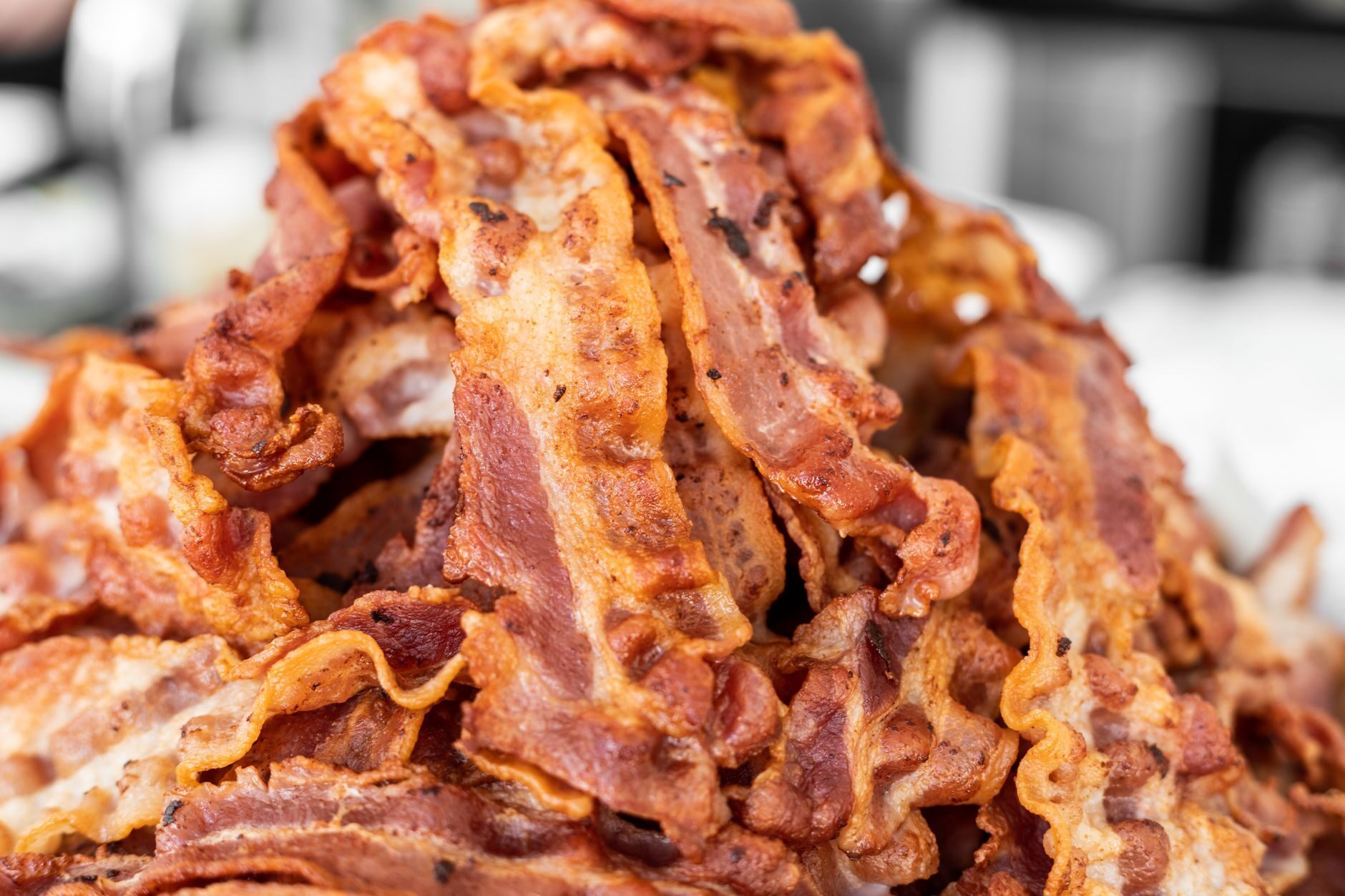
Pork fingers Louisiana businesses order for concession stands, catering trays, and restaurant menus are strips of seasoned, breaded, and fried pork tenderloin — typically sold in 5 lb or 10 lb bulk packs, priced around $8 to $14 per pound wholesale, ready to fry from frozen in 3 to 4 minutes. If you run a food truck, sports bar, church fair, or country store in Acadiana, this is the definitive guide to sourcing, storing, and serving them for profit.
This page exists because most sellers list pork fingers as a single product line item with no context. Restaurant and event buyers need real numbers — portion counts, prep times, margins, shipping logistics. Below is everything a Louisiana business needs before placing a bulk order.
What are pork fingers and why do Louisiana businesses buy them?
Pork fingers are hand-cut strips of pork tenderloin (occasionally loin), seasoned Cajun-style, breaded, and flash-fried or sold raw-breaded for on-site frying. They eat like a heartier, meatier chicken tender and carry a distinctly Louisiana seasoning profile — cayenne, garlic, black pepper, and paprika.
Louisiana businesses buy pork fingers because they hit a sweet spot most menu items miss: high perceived value, low food cost, and fast prep. A single 10 lb case yields roughly 60 to 80 finger portions depending on cut size, which lets a concession operator sell baskets at $8 to $12 while keeping food cost under 30%.
They also travel and hold well. Unlike delicate fried seafood, pork fingers stay crisp under a heat lamp for 20 to 30 minutes, making them ideal for high-volume events like festivals, tailgates, and school fundraisers. For any operation that already runs a fryer, adding pork fingers requires zero new equipment. That combination of margin, speed, and regional flavor is why they’ve become a staple across Acadiana kitchens.
How much do pork fingers cost for businesses?
Wholesale pork fingers in Louisiana typically run $8 to $14 per pound, with the exact price driven by cut quality, seasoning, breading, and order volume. Raw-breaded (uncooked, ready to fry) usually costs less per pound than pre-cooked.
Typical bulk pricing tiers
- 5 lb pack: highest per-pound cost, good for testing a new menu item — expect $12 to $14/lb.
- 10 lb case: the most common food-service unit — roughly $10 to $12/lb.
- 20 lb+ standing orders: best per-pound rate, often $8 to $10/lb with a wholesale account.
Cost per serving
At roughly a 6 oz portion, a $11/lb case yields a food cost of about $4.13 per basket before sides and oil. Sold at $10, that’s a gross margin near 59%. Pork prices fluctuate with the broader market — the USDA pork cutout report tracks wholesale trends that eventually reach specialty processors. Factor in a small cushion for seasonal swings when you set menu pricing, and revisit your numbers quarterly.
How are authentic Cajun pork fingers made?
Authentic Cajun pork fingers start with fresh (not previously frozen) pork tenderloin, cut against the grain into strips roughly the size of a thick finger — hence the name. Quality here is decided before any seasoning touches the meat.
The steps that matter
1. Cutting: Uniform 3-to-4-inch strips ensure even cooking. Ragged cuts fry unevenly and dry out.
2. Seasoning: A Cajun blend — cayenne, garlic, onion powder, paprika, black and white pepper — applied generously, sometimes with an overnight rest so flavor penetrates.
3. Breading: A seasoned flour or cornmeal-based dredge that fries to a golden, craggy crust.
4. Frying or packing: Either flash-fried and frozen, or packed raw-breaded for the buyer to fry fresh.
The difference between mass-produced strips and the real thing comes down to sourcing. Louisiana specialty processors that cut their own meat daily — rather than repackaging trimmings — deliver a firmer, meatier bite. The Southern Foodways Alliance documents how Acadiana meat markets built their reputation on exactly this kind of in-house butchery, and that heritage still separates the good from the generic.
Why do competitors rank for pork fingers, and what’s done better here?
Many Louisiana meat markets list pork fingers, but most bury them as a bare product SKU with no serving guidance, no bulk pricing context, and no ordering help for businesses. That’s the gap this page closes.
Where thin listings fall short
- No portion or margin math: A restaurant buyer can’t plan a menu from a photo and a price.
- No prep specifics: Fry times, holding windows, and storage temps go unstated.
- No shipping clarity: Out-of-parish buyers don’t know if the product travels frozen and how fast.
What a full-service specialty market does differently
A dedicated Cajun processor cuts pork fingers from fresh tenderloin daily, seasons in-house, and can fill both small trial packs and standing wholesale orders. The Best Stop in Scott, Louisiana, is one such specialty meat market — a family-owned operation making Cajun products since 1986 that ships authentic Louisiana meats nationwide. The advantage for a business buyer isn’t a slogan; it’s a real supply chain: consistent daily cutting, genuine Cajun seasoning, and the ability to reorder the exact same product every week.
How do you cook pork fingers for a restaurant or event?
Pork fingers are done when they reach a 145°F internal temperature with a golden-brown crust — usually 3 to 4 minutes in 350°F oil for raw-breaded strips, or 2 to 3 minutes to reheat pre-cooked ones.
Fryer method (highest volume)
- Heat oil to 350°F. Don’t crowd the basket — overloading drops oil temp and produces greasy, pale fingers.
- Fry 3 to 4 minutes, until floating and golden.
- Rest on a wire rack, not paper, to keep the crust crisp.
Oven or air-fryer method (lower volume)
- Oven: 400°F for 12 to 15 minutes, flipping once.
- Air fryer: 380°F for 8 to 10 minutes, shaking halfway.
Always confirm the safe internal temperature with a thermometer — the USDA recommends 145°F for whole cuts of pork with a 3-minute rest. For events, batch-fry ahead and hold under a lamp; they’ll stay servable for 20 to 30 minutes without turning rubbery.
What sides and menu pairings sell best with pork fingers?
The best-selling pairings are the ones that let the Cajun seasoning shine while keeping plate cost low. In Louisiana, that means dirty rice, Cajun fries, coleslaw, and a dipping sauce lineup.
High-margin side options
- Dirty rice or rice dressing: Low cost, high regional appeal, scales easily for events.
- Cajun-seasoned fries: Cheap, fast, and universally ordered.
- Coleslaw: Cuts the richness and adds color to the basket.
Dipping sauces that upsell
Offer at least two: a remoulade for the traditionalists and a Cajun ranch or honey-mustard for kids and lighter palates. Sauces cost pennies per portion and let you charge a premium for a “loaded” basket. For catering and plate-lunch operations, pork fingers slot neatly into a rotating protein spot alongside boudin and sausage without confusing your regulars — they read as familiar comfort food with a Louisiana signature.
Can you ship pork fingers across Louisiana and nationwide?
Yes — pork fingers ship well because they’re sold frozen and stay stable in insulated packaging with dry ice or gel packs for standard 1-to-2-day carrier transit. This is what lets a Scott, Louisiana processor supply businesses across the state and out to expatriate Cajun customers nationwide.
What to confirm before you order
- Packaging: Frozen product should arrive at or below 40°F. Reputable shippers pack for a 48-hour window.
- Delivery timing: Order early in the week so product isn’t sitting in a warehouse over a weekend.
- Minimums: Many suppliers set a minimum case count or dollar threshold for shipped orders.
For Louisiana businesses within driving distance, in-store or to-go pickup avoids shipping cost entirely and guarantees the freshest product. For food trucks and restaurants outside Acadiana, a standing weekly shipment keeps your freezer stocked without a supply gap. Always verify a supplier’s cold-chain policy in writing before you build a recurring menu item around a shipped product.
How do you store pork fingers to keep them fresh?
Raw-breaded pork fingers keep 3 to 4 months at 0°F in the freezer and should be cooked from frozen for best crust — thawing before frying often makes the breading soggy.
Storage best practices for businesses
- Freezer, sealed: Keep in original vacuum or heavy-duty packaging until use. Re-seal opened packs tightly to prevent freezer burn.
- Label and rotate: Mark received dates and use oldest stock first (FIFO). This matters most for high-volume operations running multiple cases a week.
- Refrigerator, short-term: Once thawed, cook within 1 to 2 days and never refreeze raw product.
- After frying: Cooked leftovers hold 3 to 4 days refrigerated; reheat in an oven or air fryer, not a microwave, to restore crispness.
Maintaining a steady 0°F freezer is the single biggest factor in product quality over time. A freezer that cycles warm — common in older equipment or overpacked units — degrades texture and shortens shelf life. If you run frequent events, size your freezer for peak inventory so you’re never forced to stack cases where cold air can’t circulate.
Where should Louisiana businesses buy pork fingers?
Louisiana businesses should buy pork fingers from a specialty Cajun meat market that cuts and seasons in-house daily, offers both small packs and wholesale volume, and can ship or supply pickup reliably. Price matters, but consistency matters more when it’s a recurring menu item.
A simple sourcing checklist
1. Freshness: Are fingers cut from fresh tenderloin daily, or repackaged from frozen trim?
2. Seasoning authenticity: Is it a genuine Cajun blend, or generic breading?
3. Volume flexibility: Can they fill a 5 lb trial and a standing 20 lb weekly order?
4. Logistics: Do they offer reliable shipping and/or convenient pickup?
5. Track record: Years in business and repeat-buyer reputation signal consistency.
Acadiana is home to several long-standing specialty processors, and a family-owned market operating since 1986 will typically outperform a general grocer on all five points. Test a small order first, confirm your portion yield and food cost against your own menu price, then lock in a standing order once the numbers work. Get the sourcing right and pork fingers become one of the most dependable, high-margin items on a Louisiana menu.