Crunchy, salty, and unmistakably porky, cracklins and pork rinds are two snacks that are easy to confuse. Put them side by side, though, and the difference becomes much easier to understand.
When comparing pork crackling vs pork rind, the biggest distinction is what remains attached to the pork skin. Pork rinds are primarily made from skin with most of the underlying fat removed. South Louisiana-style cracklins generally retain a layer of fat and may contain small amounts of meat, creating a denser, richer bite.
The preparation methods also differ. Pork rind production is designed to make dried skin expand dramatically when fried. Cracklins rely on rendering and frying to crisp the skin while cooking the attached fat and meat.
That difference explains why a light, airy pork rind and a dense Cajun cracklin can taste and feel so different even though both begin with pork skin.
What Are Pork Cracklings?
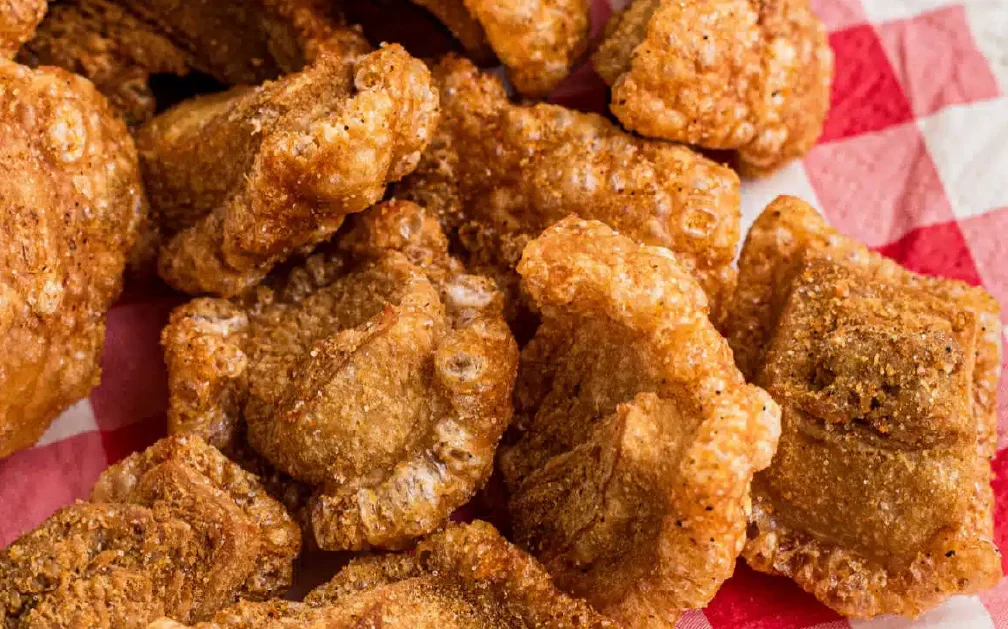
Image Source: https://thecaglediaries.com/pork-cracklins/
In South Louisiana, you’re more likely to hear cracklins than cracklings.
Cajun-style cracklins are pieces of pork skin with fat—and sometimes a little meat—still attached. During cooking, much of that fat renders while the exterior becomes crisp. What remains is a dense, crunchy bite with a rich pork flavor.
This style of cooking is closely connected to Louisiana’s long tradition of making use of the whole hog. Cracklins historically fit naturally into the boucherie tradition, where families and communities processed a hog into foods such as sausage, boudin, tasso, and cracklins.
Louisiana Cookin’ describes cracklins among the pork-based foods traditionally prepared during a Louisiana boucherie, helping place the snack within the broader history of Cajun pork cookery.
For another look at the foods and cooking traditions of Acadiana, Acadiana Table documents Cajun recipes, regional ingredients, and South Louisiana culinary culture.
At The Best Stop, cracklins remain an important part of that Cajun food tradition.
What Are Pork Rinds?
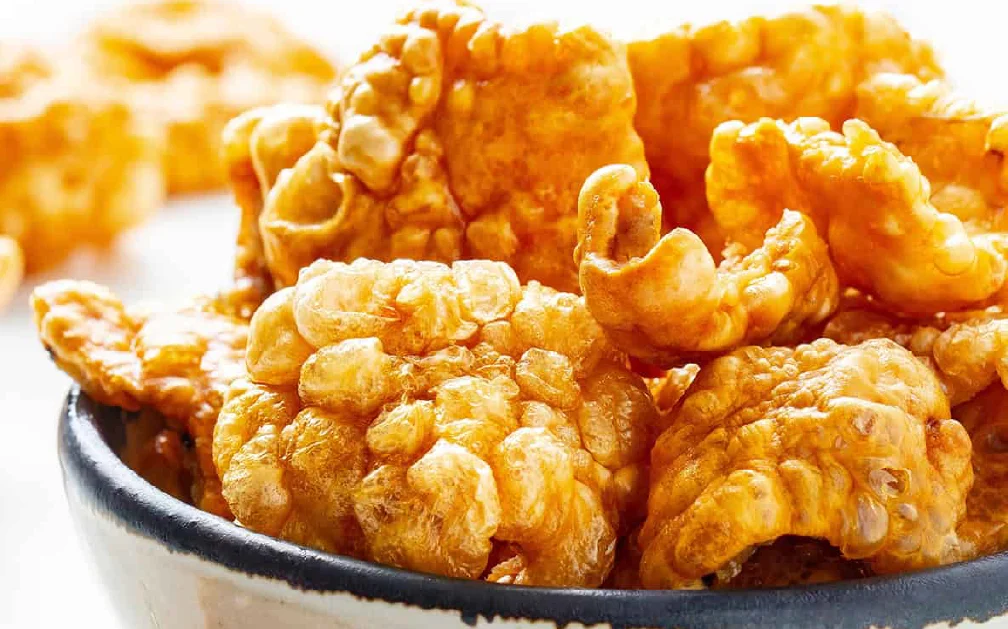
Image Source: https://www.wholesomeyum.com/pork-rinds/
Pork rinds take a different approach.
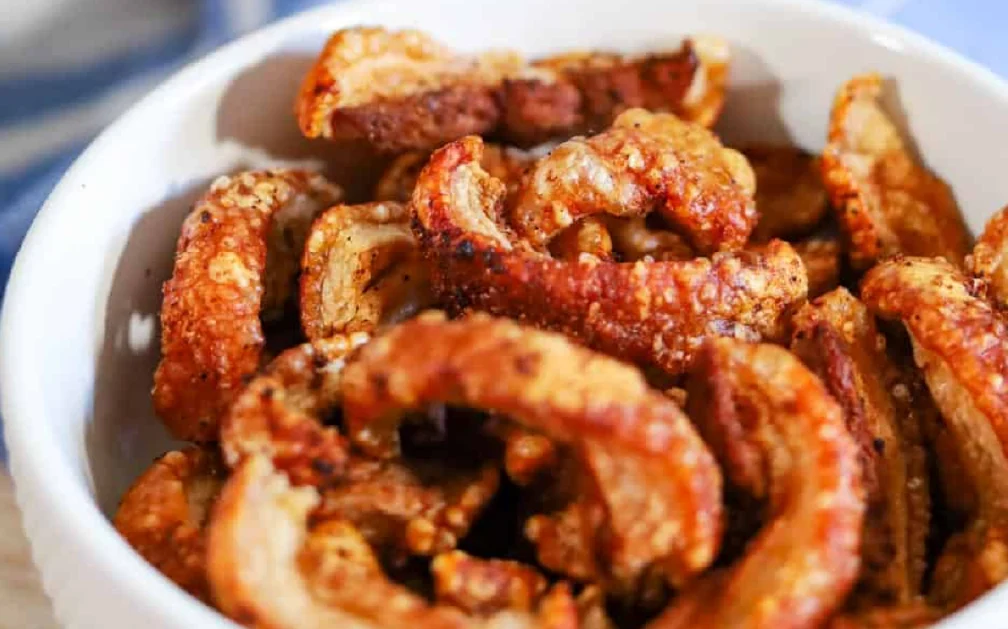
Instead of retaining a substantial layer of fat beneath the skin, pork rinds are primarily made from pork skin that has been processed, dried, and then cooked so it expands.
A USDA Foreign Agricultural Service food-category document describes pork-rind snacks as processed meat products made from pork rind or skin that expand through frying.
Food-science research available through the National Library of Medicine provides an even closer look at the process. In the study, pork skin was boiled, underlying fat was scraped away, and the skin was dried before frying. During frying, the skin expanded dramatically and developed the light, crisp structure associated with pork rinds.
That expansion is one reason pork rinds look and feel so different from traditional Cajun cracklins.
Pork Crackling vs Pork Rind at a Glance
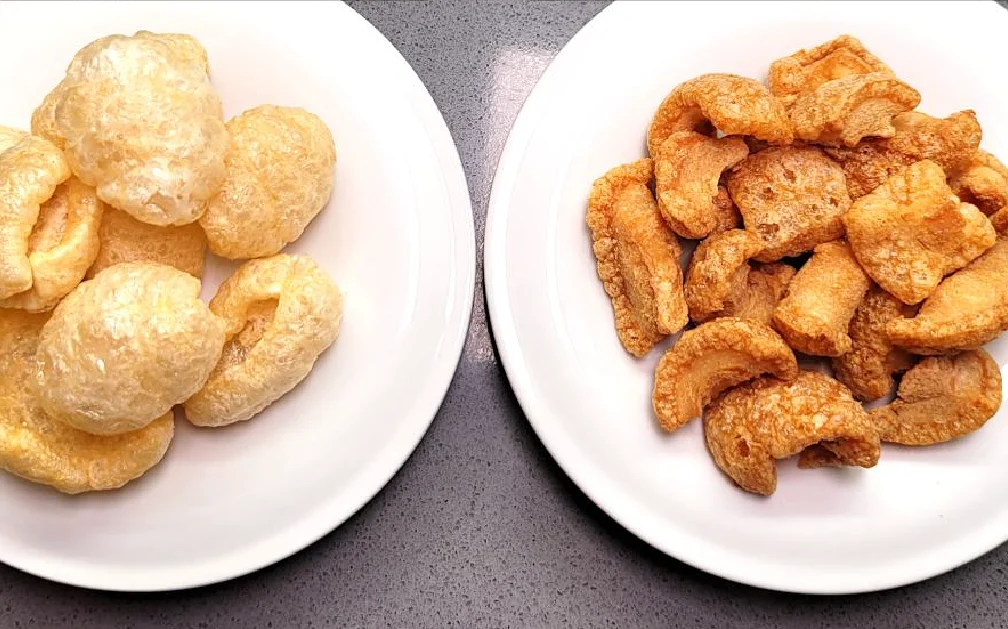
Image Source: https://likehotketo.com/keto-cinnamon-crunch-cereal?utm=
| Feature | Cajun Pork Cracklins | Pork Rinds |
| Main Ingredient | Pork skin with attached fat and sometimes meat | Primarily pork skin |
| Texture | Dense, crunchy and substantial | Light, airy and crisp |
| Flavor | Rich, pork-forward | Lighter pork flavor; often seasoning forward |
| Cooking Goal | Render fat and crisp the exterior | Dry and puff the skin |
| Appearance | Compact, irregular pieces | Puffy, expanded pieces |
The terminology isn’t completely universal. Different regions and cooks sometimes use crackling, cracklin, pork skin, pork rind, and chicharrón differently. For The Best Stop and South Louisiana cooking, however, the skin-plus-fat distinction is the most useful way to understand the difference.
Why Are Cracklins Denser Than Pork Rinds?
The answer comes down to fat and processing.
Pork rinds are prepared so the skin can expand. Removing most of the underlying fat and drying the skin creates conditions that allow moisture to rapidly turn to steam during frying, causing the structure to puff.
Peer-reviewed research from the National Library of Medicine measured this expansion during different frying methods, demonstrating how significantly prepared pork skin can increase in volume as it cooks.
Cracklins behave differently because the skin isn’t standing alone. The attached fat—and sometimes meat—creates a heavier piece that doesn’t puff into the same airy structure.
AmazingRibs makes the distinction particularly clear in its 2026 cracklins guide, explaining that cracklins aren’t the same as pork rinds because rinds are made from skin while cracklins retain additional parts of the pork beneath it.
The result is two very different kinds of crunch.
Do Cracklins and Pork Rinds Taste Different?
Yes.
A pork rind is generally light and crispy, which makes the seasoning especially noticeable. Salt, barbecue seasoning, hot pepper, and other flavorings can easily become the dominant taste.
Cracklins tend to deliver a richer pork flavor because of the fat and occasional bits of meat attached to the skin. As the fat renders during cooking, it contributes both flavor and a more substantial texture.
For Cajun cracklins, seasoning is still important. Salt, pepper, cayenne, and Cajun seasoning can complement the natural pork flavor without replacing it.
That balance between rich pork, crisp skin, and bold seasoning is part of what makes fresh Louisiana cracklins distinctive.
How Are Traditional Cajun Cracklins Made?
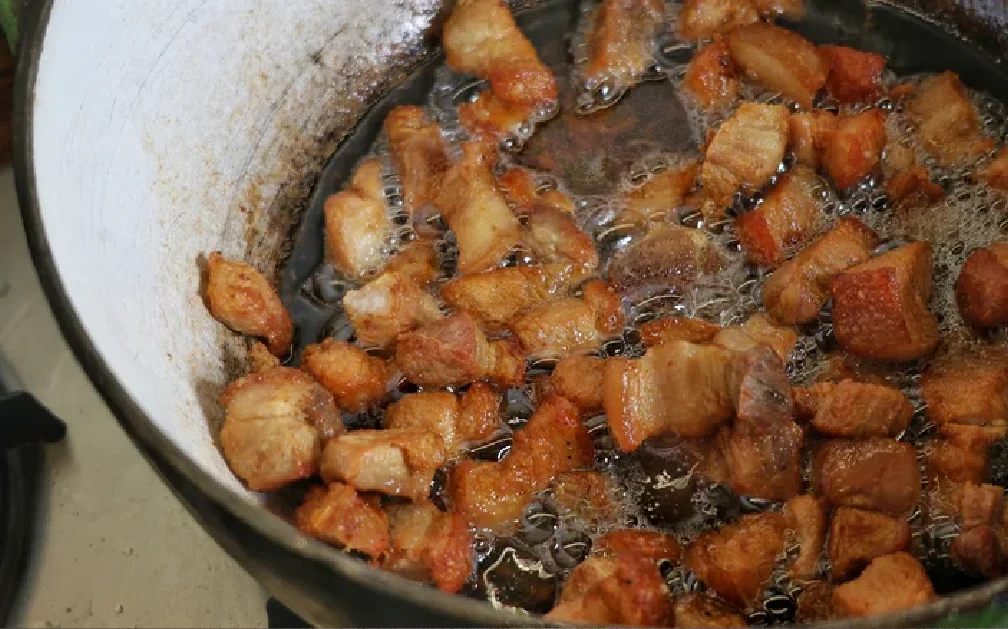
Image Source: https://www.mashed.com/1745540/southern-bbq-pork-cracklins-recipe/
Making cracklins is more involved than simply dropping pork skin into hot oil.
Pieces containing skin and fat are slowly heated so the fat begins to render. As cooking progresses, the pieces lose moisture and the exterior develops its characteristic crunch. Higher heat can then help finish and crisp the skin.
AmazingRibs describes this rendering-and-crisping process in its updated pork cracklins recipe, while Louisiana Cookin’ provides additional examples of cracklins appearing throughout Cajun recipes and food traditions.
Temperature, moisture, pork thickness, and timing all affect the final result. That’s why experienced cracklin makers develop a feel for when the pork is ready rather than relying solely on the clock.
How Are Pork Rinds Made?
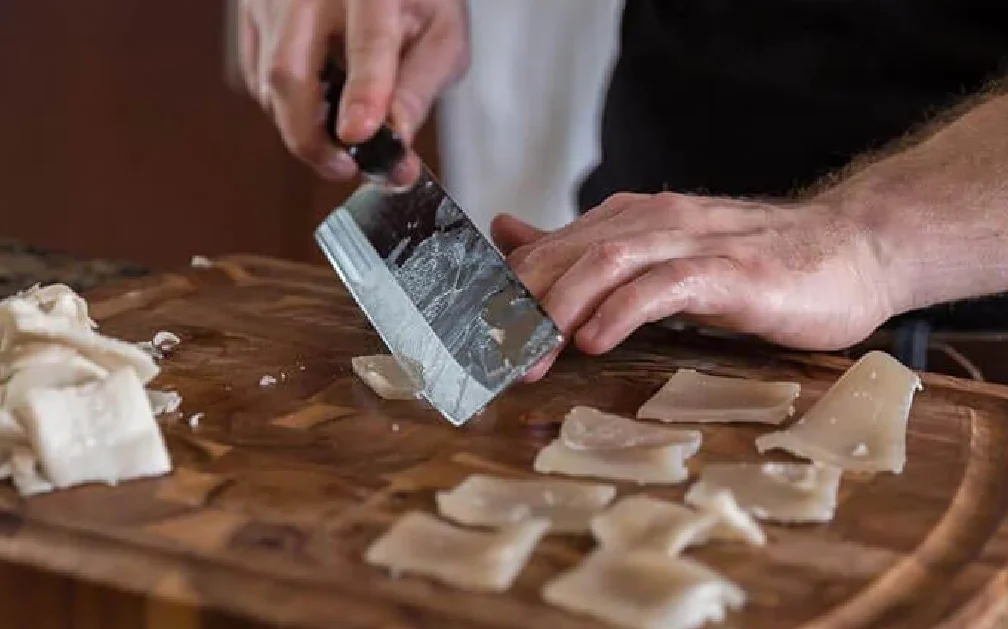
Image Source: https://baconsheir.com/pages/how-to-make-pork-rinds
Pork rinds require a different process because the goal is maximum puff.
The skin is generally separated from most of its underlying fat, cooked or softened, dried, and then fried at high heat. Remaining moisture turns rapidly to steam, helping the dried skin expand.
The Best Stop even offers rendered pork skins for customers who want to experience this process at home.
The Best Stop’s first-party preparation directions call for frying its rendered pork skins in 375°F oil, where they quickly puff into crispy pork skins. Follow the product instructions when preparing them at home.
Why Are Cracklins So Important in Cajun Country?
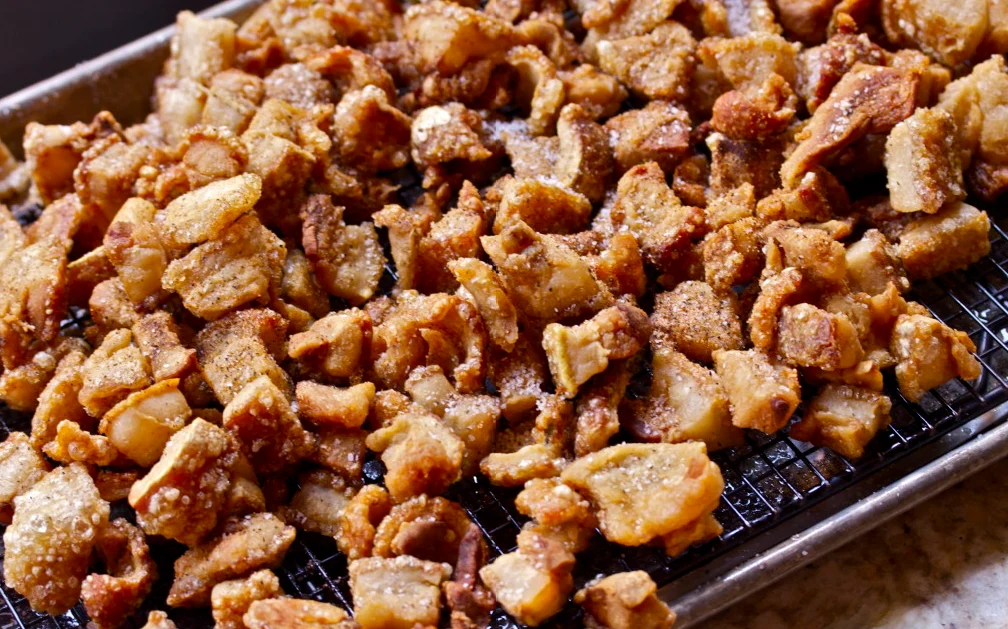
Image Source: https://acadianatable.com/2023/11/13/cajun-cracklins/
To understand cracklins, it helps to understand Louisiana’s relationship with pork.
Historically, the Cajun boucherie turned hog processing into a communal event. Different portions of the animal became different foods, helping families preserve and use as much of the hog as possible.
Cracklins were part of that tradition.
Today, you don’t need to attend a boucherie to experience them. Cracklins are closely associated with South Louisiana meat markets and Cajun food culture.
Louisiana’s official tourism resource, Explore Louisiana, documents Cajun culinary traditions and the regional foods visitors encounter throughout the state. Cracklins sit comfortably alongside boudin, sausage, gumbo, jambalaya, and other foods associated with Cajun Country.
That cultural connection is also why a bag of fresh cracklins from a South Louisiana meat market is a different experience from simply grabbing a bag of mass-produced pork rinds.
Can You Cook with Cracklins?
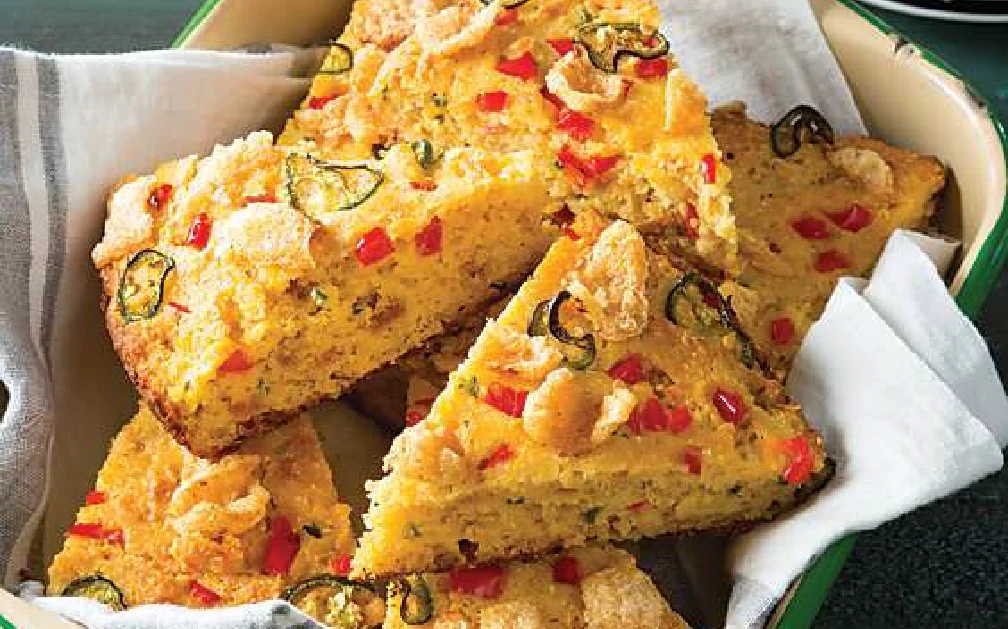
Image Source: https://pauladeenmagazine.com/louisiana-cracklin-cornbread/
Absolutely.
Cracklins may be a snack on their own, but they can also add pork flavor and crunch to other dishes.
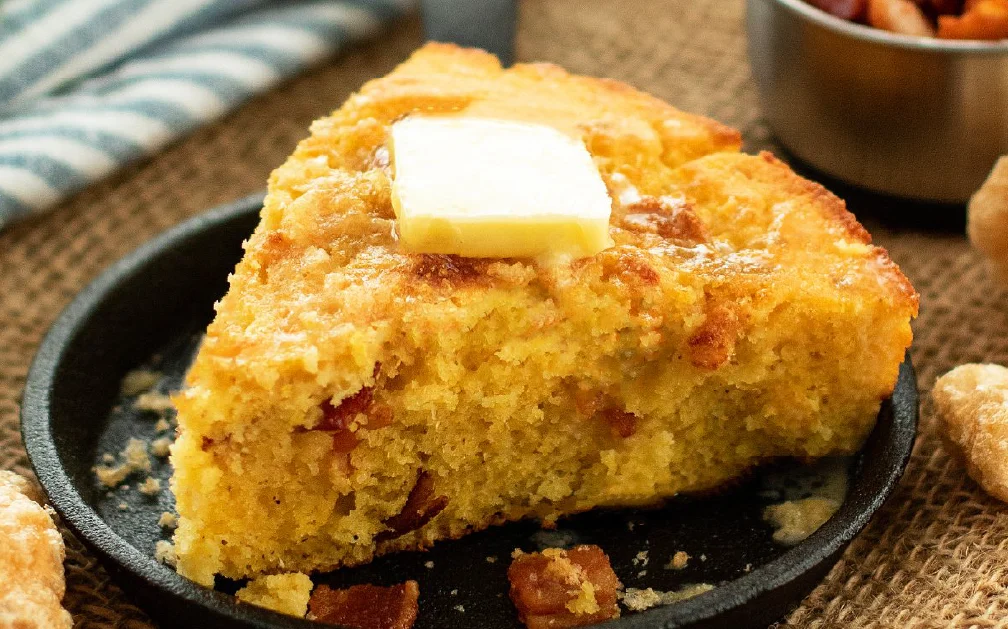
One of the most traditional examples is cracklin cornbread.
Louisiana Cookin’ features a version that chops cracklin strips before folding them into cornbread batter along with corn and peppers.
Other possibilities include crushing cracklins over salads, using them as a crunchy topping, or serving them alongside boudin and other Cajun favorites.
Which Is Better: Pork Cracklings or Pork Rinds?
There’s no universal winner in the pork crackling vs pork rind debate.
Choose pork rinds when you want something:
- Light
- Puffy
- Airy
- Very crisp
- Easy to snack on
Choose Cajun cracklins when you want something:
- Dense
- Rich
- Extra crunchy
- Pork-forward
- Connected to traditional South Louisiana cooking
If texture is the deciding factor, pork rinds deliver the lighter crunch. If you want a more substantial bite with rendered fat and deeper pork flavor, cracklins are the clear choice.
Of course, there’s nothing wrong with trying both.
TL;DR — Pork Crackling vs Pork Rind
- Pork rinds are primarily made from pork skin with most underlying fat removed.
- Cajun cracklins generally retain skin, fat, and sometimes small amounts of meat.
- Pork rinds are dried and fried to create a light, expanded texture.
- Cracklins are rendered and crisped, producing a denser and richer bite.
- Cracklins typically have a stronger natural pork flavor because of their attached fat and meat.
- Pork rinds tend to be lighter and more seasoning-forward.
- Cajun cracklins have strong ties to Louisiana boucherie traditions and South Louisiana meat markets.
- Both are crispy pork snacks, but they’re not the same thing.
FAQs: Pork Crackling vs Pork Rind
Are pork cracklings and pork rinds the same thing?
Not in the South Louisiana sense. Pork rinds are primarily processed pork skin, while Cajun cracklins usually retain a layer of fat and sometimes meat beneath the skin. Regional terminology can vary.
Why are pork rinds so light and puffy?
Pork skin is processed to remove much of the underlying fat and then dried. When the prepared skin is fried, moisture rapidly becomes steam and the skin expands, creating its characteristic airy texture.
Why are Cajun cracklins harder and crunchier?
Cracklins contain more than skin. The attached fat and occasional meat make them denser, while rendering and frying create their substantial crunch.
Are cracklins a Louisiana food?
Cracklings exist in multiple cuisines, but Cajun cracklins have a particularly strong association with South Louisiana foodways, meat markets, and traditional boucheries.
Can you use cracklins in recipes?
Yes. One classic example is cracklin cornbread, where chopped cracklins are incorporated into the batter to add crunch and pork flavor.
Are chicharrones the same as pork rinds?
Sometimes, but not always. Chicharrón describes several crispy pork preparations across Latin American and Spanish culinary traditions. Some are similar to American pork rinds, while others retain fat or meat and more closely resemble cracklins.
Final Thoughts:
When comparing pork crackling vs pork rind, what looks like a small difference in ingredients creates a noticeably different snack.
Pork rinds emphasize the skin. Removing much of the underlying fat and drying the skin allows it to expand during frying, producing the familiar light and airy crunch.
Cajun cracklins keep more of the hog in every bite. Skin, rendered fat, and sometimes meat combine to create something denser, richer, and deeply connected to South Louisiana’s pork traditions.
For anyone who wants to understand Cajun cracklins, the best approach is simple: don’t think of them as another name for pork rinds. Try them for what they are—a distinct Louisiana favorite with a crunch all their own.