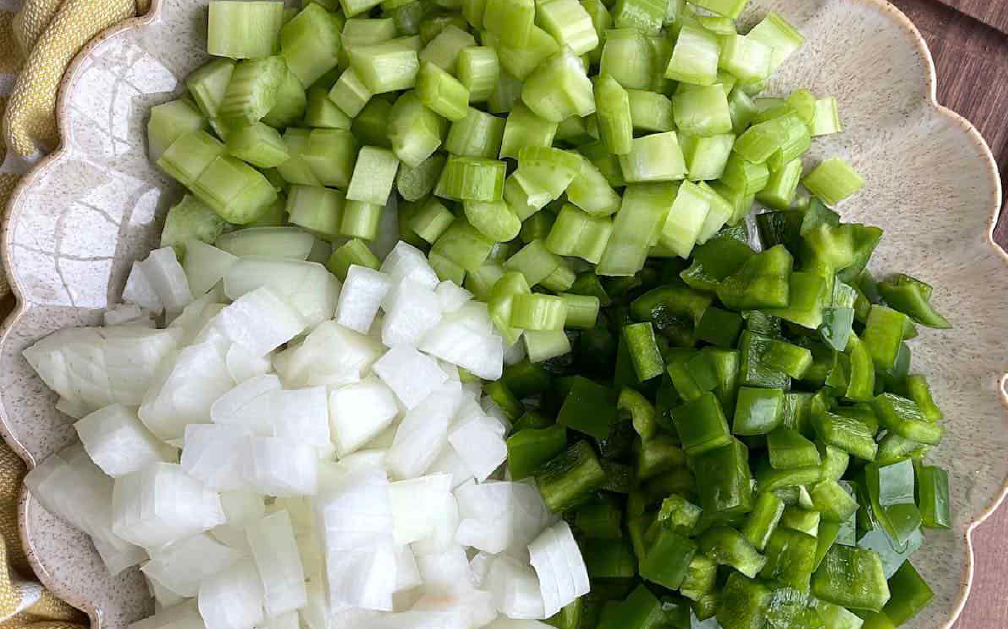
Cajun Trinity Seasoning Blend – Authentic Onion, Bell Pepper & Celery Mix
Great Cajun cooking doesn’t begin with cayenne pepper or hot sauce. More often, it starts with three humble vegetables: onion, bell pepper, and celery.
Together, they’re known as the Cajun Holy Trinity, an aromatic foundation used throughout Louisiana cooking. A Cajun trinity seasoning blend takes inspiration from those same ingredients, making it easier to bring their familiar flavor profile into everyday cooking.
Whether you’re starting gumbo, preparing jambalaya, seasoning rice, or adding Louisiana character to a weeknight dinner, understanding the trinity is one of the best ways to understand Cajun flavor.
According to Explore Louisiana, onion, bell pepper, and celery form the base of many Cajun and Creole dishes, including gumbo, jambalaya, étouffée, and red beans and rice. The vegetables are traditionally chopped and cooked in fat until they soften and release their flavor.
That means authentic Cajun flavor isn’t simply about making food hot. It starts with building layers of flavor from the beginning.
What Is the Cajun Holy Trinity?
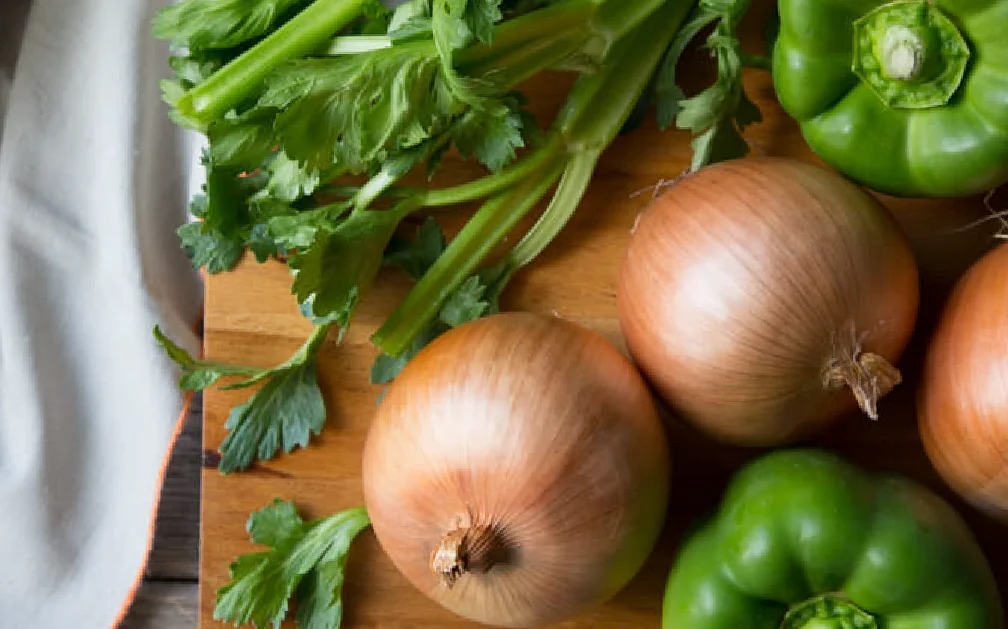
Image Source: https://www.onions-usa.org/onionista/cajun-holy-trinity/
The Cajun Holy Trinity is a combination of:
- Onion
- Green bell pepper
- Celery
These vegetables are chopped and typically cooked in oil, butter, drippings, or another fat to create an aromatic foundation before the remaining ingredients are added.
LSU AgCenter describes onion, celery, and green bell pepper as being at the heart of Louisiana cuisine and notes their use as the base flavor in dishes including gumbo, jambalaya, and étouffée.
The technique has similarities to French mirepoix, which traditionally combines onion, celery, and carrot. Louisiana’s trinity replaces the carrot with bell pepper, creating a flavor base closely associated with Cajun and Creole cooking.
For anyone learning Louisiana cuisine, those three vegetables are every bit as important as the spices that come later.
What Is a Cajun Trinity Seasoning Blend?
A Cajun trinity seasoning blend is a convenient way to capture the flavor direction of the traditional trinity using dried ingredients.
It’s important to distinguish the two.
The traditional Holy Trinity uses fresh onion, bell pepper, and celery that are chopped and cooked together. A dried seasoning blend cannot create exactly the same moisture, texture, or caramelization as fresh vegetables. Instead, it provides a pantry-friendly way to incorporate those familiar aromatic flavors into dishes where convenience matters.
A simple dried blend can start with:
- Dried minced onion
- Dried green bell pepper
- Celery flakes or dried celery
- Garlic powder, optional
- Black pepper, optional
- Cayenne pepper, optional
Think of it as inspired by the Holy Trinity rather than a replacement for fresh trinity in every recipe.
That distinction keeps the blend versatile while respecting the traditional cooking technique.
Why Onion, Bell Pepper, and Celery Work Together
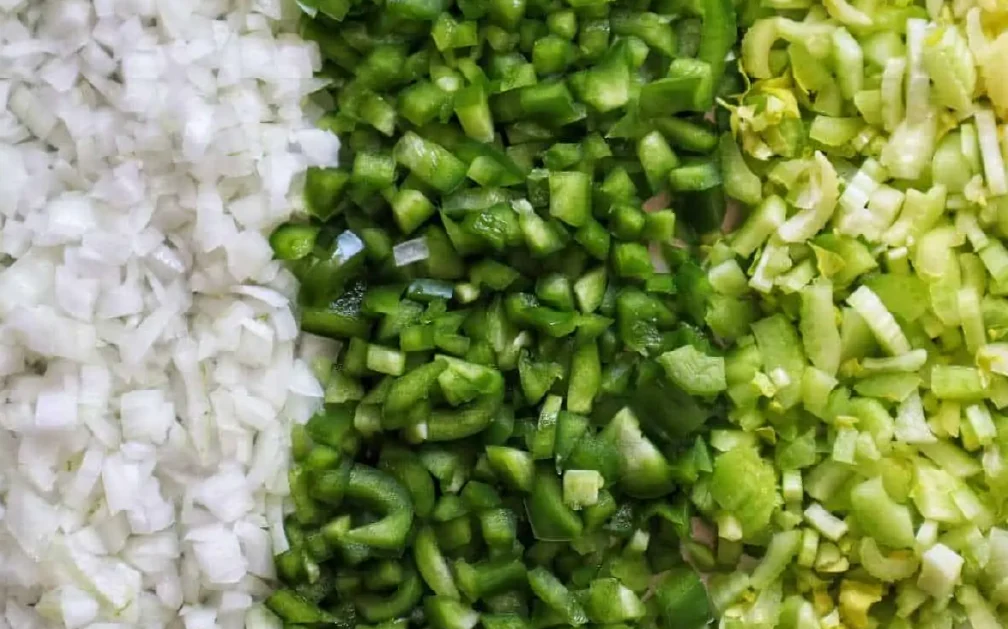
Image Source: https://redbeansanderic.com/what-is-the-holy-trinity-of-creole-and-cajun-cooking/
Each member of the trinity contributes something different.
Onion
Onion supplies sweetness and savory depth as it cooks. It forms the backbone of countless soups, stews, sauces, and rice dishes.
Bell Pepper
Green bell pepper provides the distinctive vegetal flavor that separates the Louisiana trinity from French mirepoix.
Celery
Celery contributes freshness and an earthy aromatic quality that balances the onion and pepper.
Together, the vegetables create something more complex than any one ingredient could provide alone.
A recent 2026 recipe from Louisiana Cookin’ demonstrates the technique in practice: its chicken fricassee cooks onion, bell pepper, celery, and garlic together before broth, roux, potatoes, and Cajun seasoning are incorporated.
Is Garlic Part of the Cajun Holy Trinity?
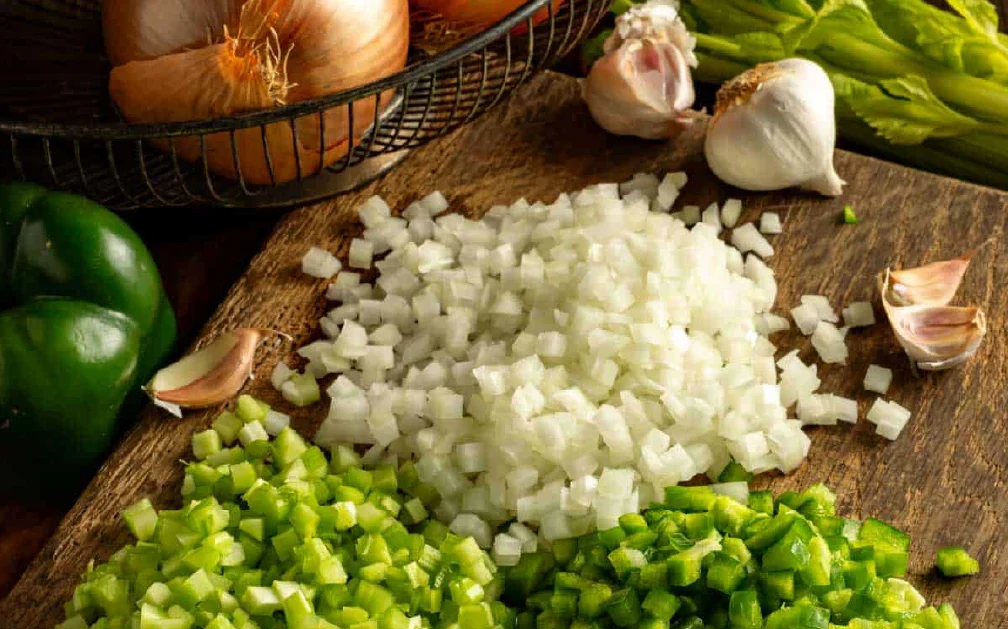
Image Source: https://laurenfromscratch.com/the-cajun-holy-trinity-of-cooking/
Technically, no.
The traditional Cajun Holy Trinity consists of onion, bell pepper, and celery.
Garlic is frequently used alongside those vegetables, however, which explains why many cooks associate it with the same flavor foundation.
Explore Louisiana’s Build Your Own Gumbo guide describes garlic as an ingredient that can be added after cooking down the trinity and specifically identifies the trinity itself as onion, bell pepper, and celery.
So adding garlic powder to a dried trinity seasoning can be delicious, but garlic shouldn’t replace any of the three core ingredients.
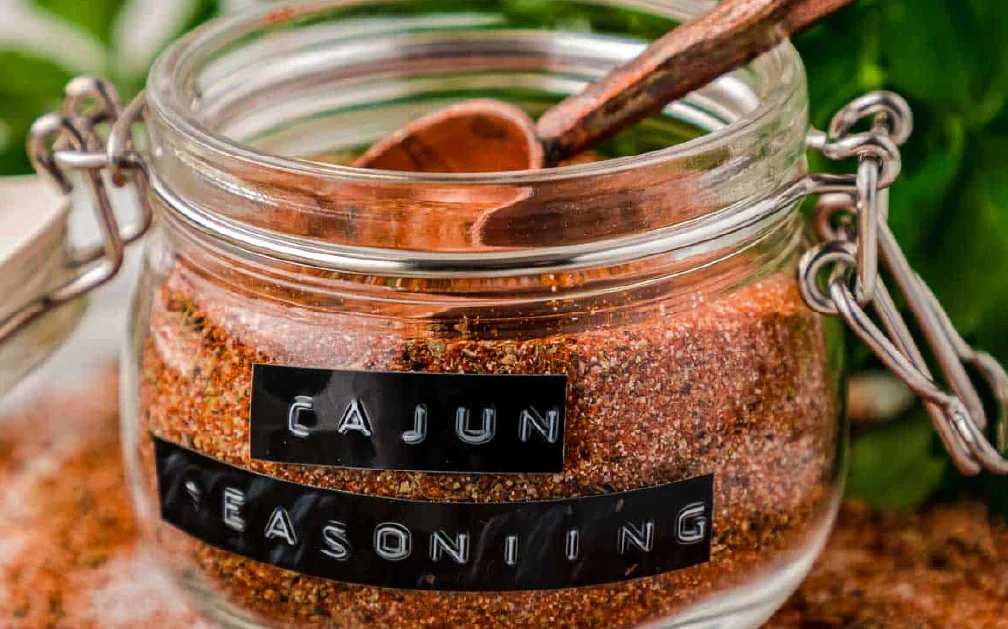
Cajun Trinity vs. Cajun Seasoning: What’s the Difference?
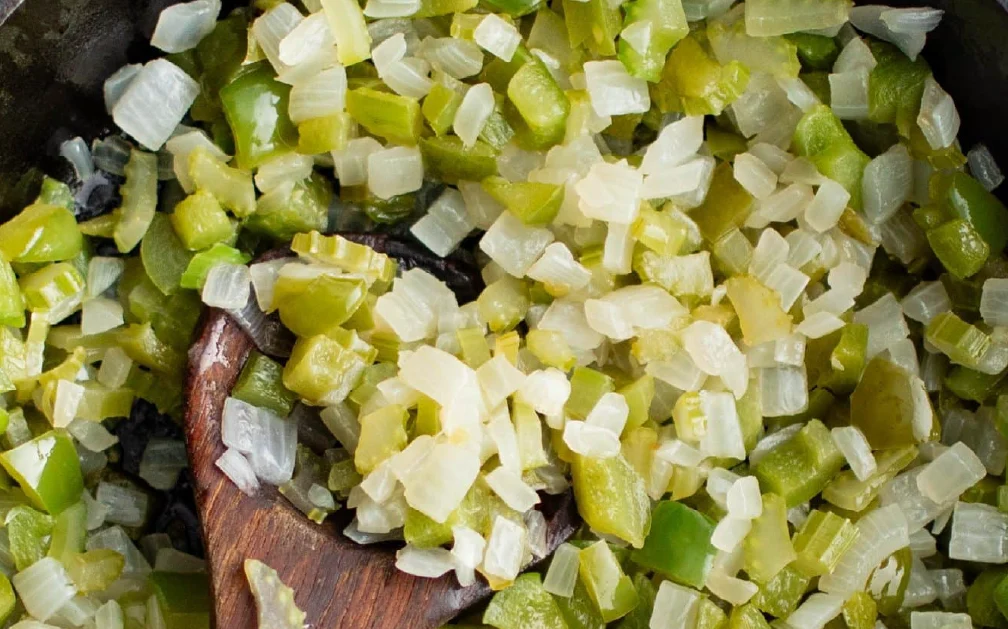
Image Source: https://theforkedspoon.com/cajun-holy-trinity-recipe/
These terms shouldn’t be used interchangeably.
Cajun Trinity
- Onion, bell pepper, celery
-
Primarily aromatic vegetables
-
Builds the base of a dish
-
Traditionally cooked early
-
Adds savory depth
Cajun Seasoning
-
Blend of dried spices and seasonings
-
Usually pepper- and spice-forward
-
Seasons the overall dish
-
Can be added at different cooking stages
-
Adds seasoning, warmth, and sometimes heat
The two actually work best together.
For example, you might cook onion, bell pepper, and celery before adding sausage and rice to jambalaya, then use Cajun seasoning to develop the final flavor.
That’s also why Cajun food doesn’t have to be overwhelmingly spicy. The complexity comes from layering aromatics, seasonings, proteins, stocks, and cooking techniques.
What Can You Make with Cajun Trinity Seasoning?
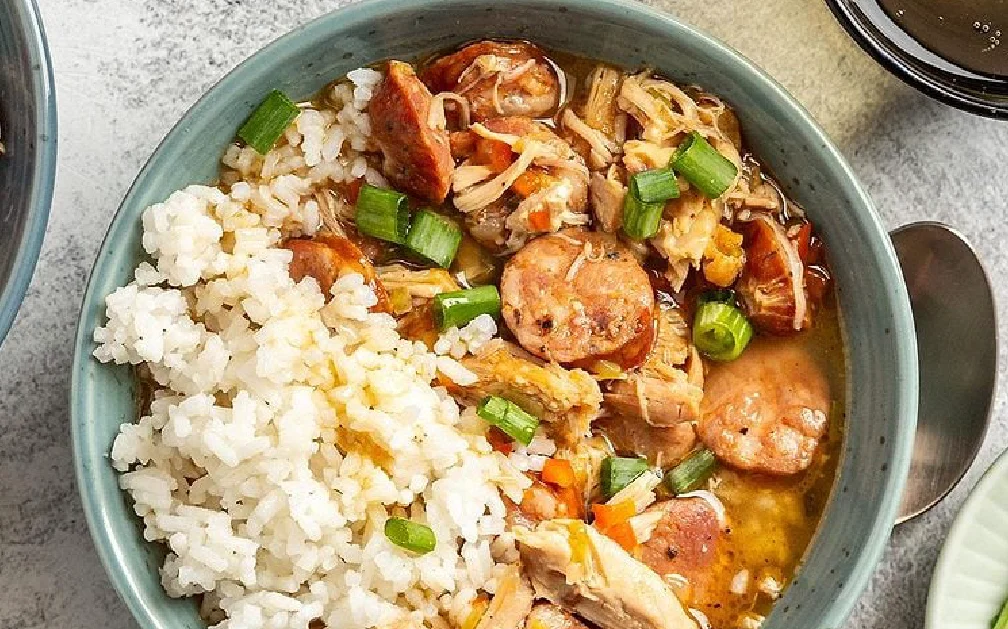
Image Source: https://www.tasteofhome.com/collection/cajun-recipes-to-make-with-the-holy-trinity/
The flavor profile works across a wide range of dishes.
Gumbo
The Holy Trinity is fundamental to many Louisiana gumbo recipes. Saveur describes celery, green bell pepper, and onion as the essential trinity that appears across its collection of Louisiana gumbo recipes.
Jambalaya
Onion, bell pepper, and celery help create the aromatic base before rice absorbs the stock, seasoning, and flavors from meat or seafood.
Étouffée
Traditional étouffée also relies heavily on the trinity. Explore Louisiana’s crawfish étouffée recipe cooks onion, green bell pepper, and celery before adding garlic, stock, seasoning, and Louisiana crawfish.
Red Beans and Rice
The trinity provides an aromatic foundation that complements beans, smoked sausage, and Cajun seasoning.
Everyday Meals
Try a dried trinity-inspired seasoning on roasted potatoes, grilled chicken, pork, vegetables, rice, soups, beans, and casseroles when you want an easy layer of Louisiana-inspired flavor.
Why the Holy Trinity Matters in Louisiana Cooking
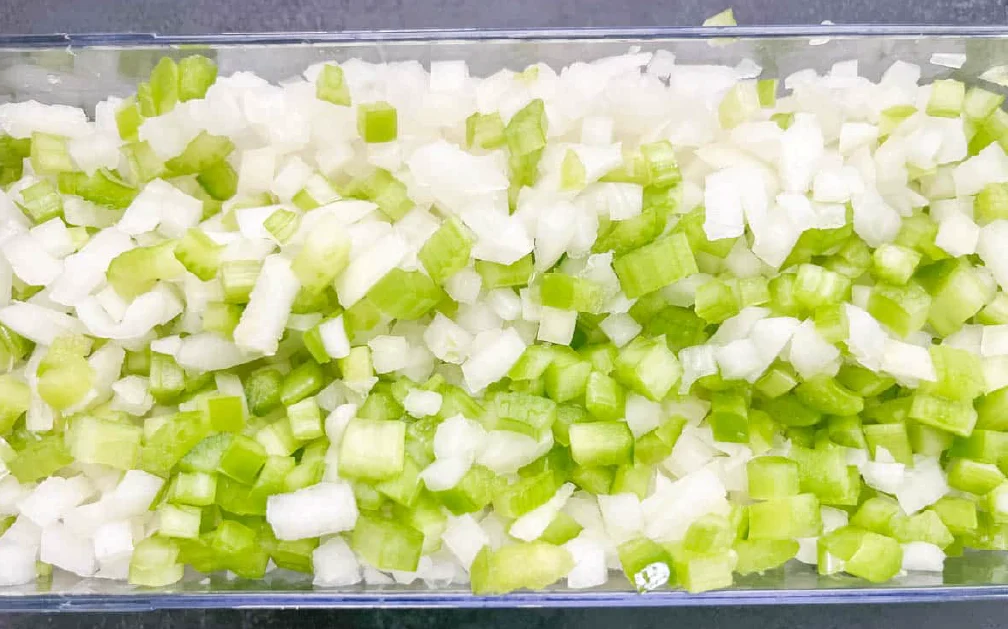
Image Source: https://cookingwithbliss.com/holy-trinity-cooking/
The Holy Trinity isn’t simply a convenient ingredient combination. It reflects the influences that shaped Louisiana cuisine.
LSU AgCenter compares the trinity with French mirepoix and Italian soffritto and explains how bell pepper took the place traditionally occupied by carrot in the Louisiana combination.
Saveur similarly identifies onion, celery, and bell pepper as Louisiana’s version of a mirepoix while discussing the different cultural influences behind Cajun and Creole cuisines.
For another perspective rooted specifically in Acadiana’s food culture, Acadiana Table documents traditional Louisiana recipes and the ingredients and techniques that continue to shape home cooking across the region.
Those influences help explain why something as simple as three chopped vegetables can carry so much culinary meaning.
Fresh Trinity or Dried Seasoning Blend: Which Should You Use?
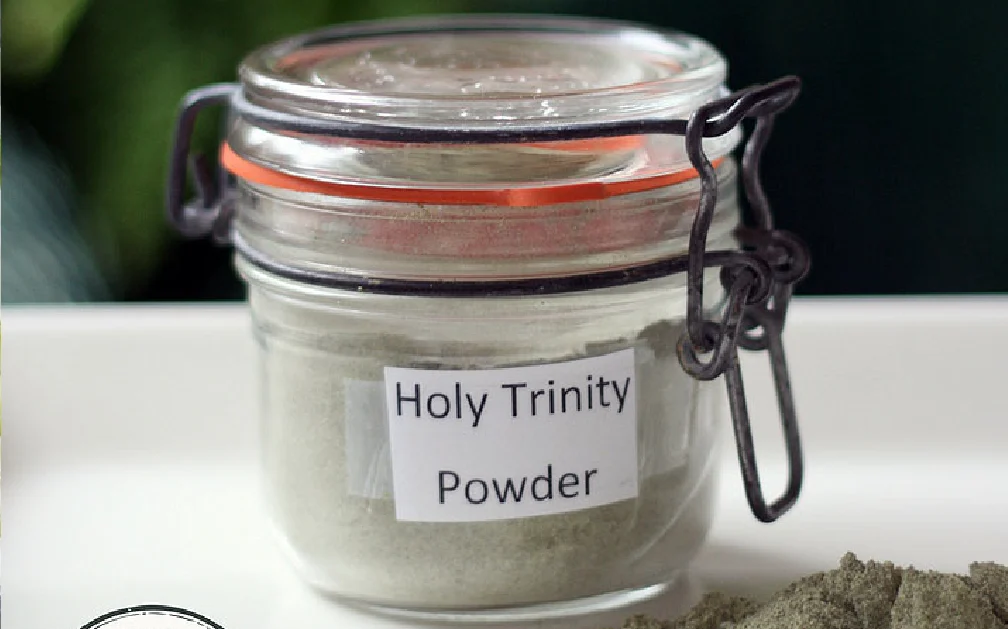
Image Source: https://www.healthycanning.com/holy-trinity-powder
Use fresh trinity when the vegetables form a major part of the dish and you want their texture, moisture, and cooked flavor. Gumbo, étouffée, jambalaya, and long-simmered dishes are obvious examples.
Use a Cajun trinity seasoning blend when convenience is more important or when fresh vegetables aren’t practical. It can work particularly well for dry rubs, roasted vegetables, quick rice dishes, soups, marinades, and simple weeknight meals.
You can also use both. Fresh vegetables create the aromatic base, while dried onion, pepper, celery, garlic, and complementary spices can reinforce the flavor.
TL;DR — Cajun Trinity Seasoning Blend
- The Cajun Holy Trinity consists of onion, bell pepper, and celery.
- It forms the aromatic foundation of many Louisiana dishes.
- The combination is related to French mirepoix but substitutes bell pepper for carrot.
- Fresh trinity is traditionally cooked in fat to soften the vegetables and develop flavor.
- A dried Cajun trinity seasoning blend offers a convenient way to bring similar aromatic notes to everyday recipes.
- Garlic is commonly paired with the trinity but isn’t one of its three traditional ingredients.
- Trinity seasoning and Cajun seasoning are different but can be used together.
- Gumbo, jambalaya, étouffée, red beans, rice dishes, meats, and vegetables can all benefit from these flavors.
FAQs: Cajun Trinity Seasoning Blend
What are the three ingredients in Cajun Trinity?
The traditional Cajun Holy Trinity is onion, bell pepper, and celery. Explore Louisiana identifies these three vegetables as a foundational combination in Cajun and Creole cooking.
Is garlic part of the Holy Trinity?
No. Garlic is commonly added to dishes containing the trinity, but the traditional three ingredients are onion, bell pepper, and celery.
What is the difference between mirepoix and Cajun Trinity?
French mirepoix traditionally combines onion, carrot, and celery. Louisiana’s Holy Trinity uses onion, bell pepper, and celery, replacing carrot with bell pepper.
Is Cajun Trinity the same as Cajun seasoning?
No. The traditional trinity is an aromatic vegetable mixture. Cajun seasoning is generally a dry blend of spices and seasonings. A dried trinity blend bridges the two ideas by using dehydrated versions of the traditional vegetables.
What dishes use the Cajun Holy Trinity?
Gumbo, jambalaya, étouffée, red beans and rice, soups, stews, and many other Cajun and Creole dishes use the combination.
Can I use dried Cajun Trinity instead of fresh vegetables?
You can use a dried blend when convenience is important, but it won’t produce exactly the same texture, moisture, or caramelization as freshly chopped and cooked vegetables.
Final Thoughts:
A Cajun trinity seasoning blend brings together three ingredients that sit at the heart of Louisiana cooking: onion, bell pepper, and celery.
Fresh vegetables remain the traditional choice when you’re building the foundation of gumbo, jambalaya, étouffée, and other classic dishes. A dried blend, however, provides a convenient way to bring those familiar aromatic flavors into everything from roasted vegetables and rice to meats and quick weeknight meals.
Learning the trinity also reveals one of the most important lessons about Cajun cooking: authentic Louisiana flavor isn’t simply about heat. It’s about building flavor one layer at a time.